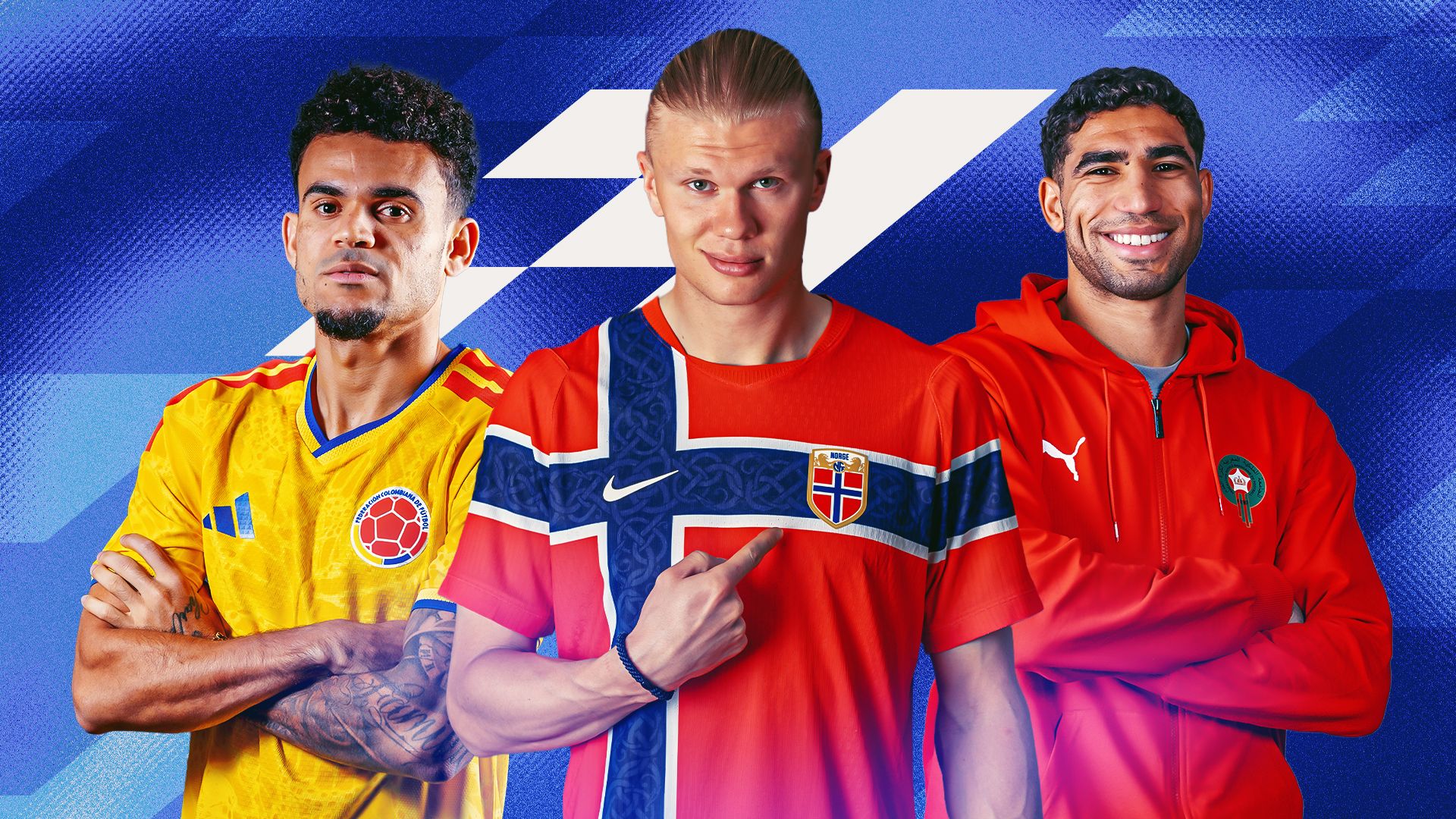

Every World Cup brings its own brand of magic, and that magic often comes from unexpected places. While the traditional giants fight for dominance, a handful of ‘dark horse’ nations quietly build momentum, ready to shake up the 2026 World Cup with surprise runs on the global stage. Our panel of experts has identified the teams with the quality, structure, and belief to defy expectations.
Key Dark Horse Contenders
- Norway: Driven by Erling Haaland and a strong supporting cast, they have the firepower to challenge anyone.
- Colombia: With Luis Díaz in top form, Los Cafeteros bring pace, resilience, and flair.
- Morocco: The 2022 World Cup semi-finalists, led by Achraf Hakimi, remain a disciplined and dangerous unit.
- Japan: The Samurai Blue combine elite organisation, pressing intensity, and growing attacking threat.
- Senegal: Powered by Sadio Mané, the Lions of Teranga boast one of the most explosive attacks outside Europe.
Norway’s Rising Force in Europe
With a generational striker in Erling Haaland, Norway has evolved into far more than a one-man team. Under Ståle Solbakken, they have developed into a structured and competitive side, highlighted by convincing qualifying results including wins over Italy.
The squad now features key contributors such as Martin Ødegaard, Jørgen Strand Larsen, Alexander Sørloth, Antonio Nusa, Sander Berge, Julian Ryerson, and Oscar Bobb, giving Norway genuine depth across the pitch.
Colombia’s Golden Opportunity
Colombia continues to operate under the radar but enters the 2026 World Cup with serious potential. A strong showing at the 2024 Copa América, where they narrowly missed out to Lautaro Martínez, underlined their progress.
Luis Díaz leads the charge as one of the world’s most dynamic wide players, while veteran James Rodríguez still provides decisive quality in key moments. With passionate support and favourable conditions, Los Cafeteros could be primed for a deep run.
African Powerhouses Ready to Strike
Morocco’s Continued Rise
Following their historic 2022 World Cup semi-final run, Morocco have established themselves as a tactically disciplined and defensively elite side. With leaders like Achraf Hakimi, Brahim Díaz, and Bilal El Khannouss, the Atlas Lions remain a major threat.
Senegal’s Attacking Threat
Despite a difficult group featuring France and Norway, Senegal possess one of the most dangerous forward lines in the tournament. The combination of Sadio Mané, Ismaïla Sarr, Iliman Ndiaye, and Nicolas Jackson gives them explosive attacking potential against any opponent.
Japan and Switzerland Offer Tactical Edge
Japan’s High-Intensity Model
Japan impressed in qualification, losing just once in 16 matches while conceding only three goals. With talents like Takefusa Kubo and striker Ayase Ueda, the Samurai Blue combine relentless pressing with improved finishing power.
Switzerland’s Tournament Stability
Under Murat Yakin, Switzerland continue to excel in major tournaments, having reached the Euro 2024 quarter-finals and pushed England to penalties. Their experience and structure make them a consistent knockout-stage threat.
Additional Wildcards: Turkiye and Brazil
Turkiye remain a perennial dark horse thanks to their unpredictable but talented squad capable of explosive performances. Meanwhile, despite their traditional heavyweight status, Brazil enter the tournament with lingering uncertainty. Combined with potential environmental advantages for South American sides, some view the Seleção themselves as a surprise package in 2026.