

The Battle for Football's Grandest Stage
The race to host the 2030 World Cup final has ignited a fierce debate, spotlighting Spain's persistent battle with racism against Morocco's rising ambition and unifying vision.
Key Points in the Final Host Debate
- Spain's traditional claim is bolstered by top-tier stadiums like the Santiago Bernabéu and Camp Nou.
- Morocco is pushing hard for its new Casablanca stadium, aiming for a prominent role, not just a secondary one.
- Recurring incidents of racism and Islamophobia in Spanish football are jeopardizing their global image.
- Morocco offers robust infrastructure and a powerful message of diversity and coexistence, aligning with FIFA's values.
The Battle for Football's Grandest Stage
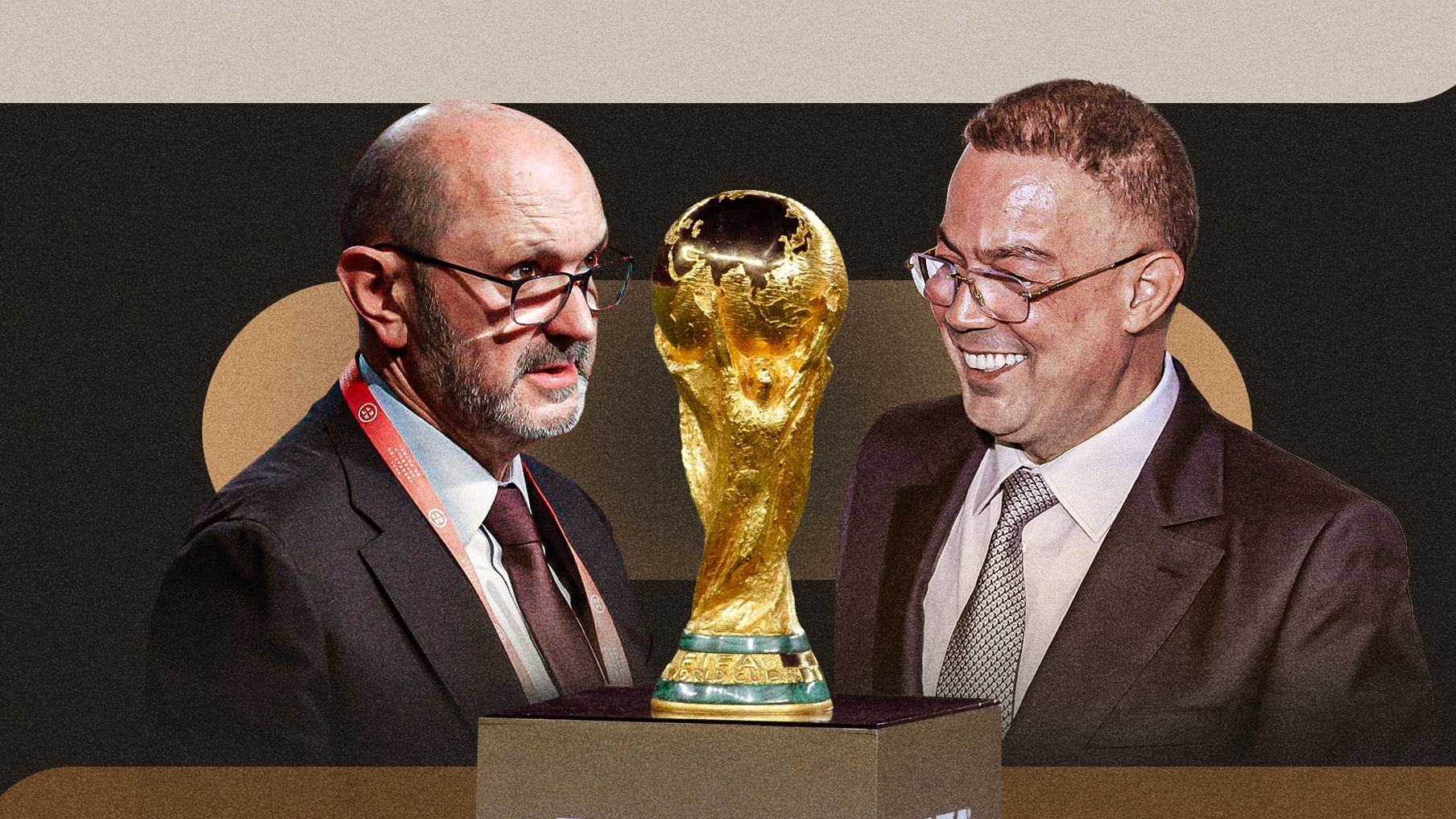
The 2030 World Cup, uniquely spread across six nations with symbolic opening matches in Argentina, Uruguay, and Paraguay, now faces its most contentious question: where will the final be played? While the joint bid includes Spain, Portugal, and Morocco, the ultimate showdown venue has become a point of quiet but intense rivalry between Madrid and Rabat.
Spain's football authorities assert their readiness, expecting the final at an upgraded Santiago Bernabéu or Camp Nou. Yet, Morocco's vision is bolder. They envision their new, state-of-the-art Casablanca stadium, boasting a projected capacity of 115,000, as the rightful stage. For Morocco, this isn't just about a stadium; it's about claiming a deserved, equal partnership in a truly historic tournament.
Spain's Shadow: A Crisis of Racism in the Beautiful Game
The bid for the 2030 World Cup final unfolds against a troubling backdrop of escalating racist incidents in Spanish football. What began as isolated outbursts has transformed into a national conversation, with global implications for the country's image.
Vinicius Junior: The Unyielding Voice Against Hate
Real Madrid star Vinicius Junior has courageously spearheaded the war on racism in Spanish stadiums. His emotional testimony, including admitting a diminished desire to play due to relentless, unpunished abuse, sent shockwaves through the football world. His powerful call for Spain to lose its 2030 World Cup hosting rights if it failed to combat racism effectively, though controversial, highlighted a deep-seated issue.
Ugly Chants Echoing in the Stands
The problem isn't theoretical; it's audible. During a friendly between Spain and Egypt at the RCDE Stadium, abhorrent chants of "Whoever doesn't jump is a Muslim" repeatedly rang out. This incident, targeting the religion of an entire nation, forced stadium organizers to issue warnings against racist behavior, met by defiant boos from sections of the crowd. Catalan police immediately launched an investigation, with the Spanish Football Federation issuing strong condemnation. This was no fringe event; FIFA itself initiated disciplinary proceedings against the Spanish Football Association, escalating the matter to the highest global authority.
Homegrown Heroes Speak Out: Yamal and El Hilali
The impact of such bigotry is deeply personal. Lamine Yamal, the young Barcelona and Spain sensation of Moroccan and Equatorial Guinean descent, a devout Muslim, was visibly affected. He took to social media, declaring the chants "ignorant and racist," stressing his pride in his faith. Weeks later, he revealed he'd faced racism "a thousand times" in his career, emphasizing the subtle yet pervasive nature of discrimination.
Adding another powerful voice is Omar El Hilali, the Espanyol and Morocco national team full-back. He experienced a match stoppage after alleged racial insults from an Elche striker. El Hilali eloquently rejected anti-Muslim chants, pointing out the irony of such hate while a Muslim player like Yamal proudly represents Spain. These testimonies, from players of diverse backgrounds, paint an undeniable picture of a systemic problem.
The Bernabéu Under Scrutiny
Even iconic venues are not immune. Reports surfaced of Real Madrid fans repeating the "Whoever doesn't jump is a Muslim" chant near the Santiago Bernabéu before a Champions League quarter-final. Around the same time, Atlético Madrid fans were observed directing racist and sectarian abuse at Lamine Yamal, urging him to "Go back to Morocco." These incidents are particularly damaging as the Santiago Bernabéu is a prime candidate for the final, placing the heart of Spain's bid directly under the international microscope.
Morocco's Masterclass: Readiness and a Resonant Message
In stark contrast, Morocco has been diligently building its case with both impeccable organization and an undeniable message of inclusivity. Their successful hosting of the 2025 Africa Cup of Nations served as a powerful testament to their capabilities, showcasing nine modern stadiums across six cities, all designed to international standards.
The renovated Prince Moulay Abdellah Stadium in Rabat, for example, delivered a top-tier atmosphere free of systematic racism. Beyond infrastructure, Morocco projects an image of a religiously and culturally diverse nation, hosting its first major tournament with a clear commitment to coexistence and openness. This message resonates deeply with FIFA's global declarations of zero tolerance for racism and hate speech, presenting a powerful counter-narrative to the issues plaguing Spain.
The Final Verdict: Image, Integrity, and the World's Game
The question of who deserves the 2030 World Cup final goes beyond mere logistics or historical precedent. While Spain undoubtedly possesses the infrastructure and experience, the recurring spectre of racism raises profound questions about the image and values the world wants to project.
Can FIFA credibly award its most significant match to a country grappling with consistent, high-profile racist and Islamophobic incidents? The actions and testimonies of players like Vinicius Junior and Lamine Yamal are not isolated complaints; they expose a cultural challenge that undermines football's unifying spirit. Morocco, on the other hand, presents not just organizational readiness but a profound humanitarian statement. Hosting the final in a Muslim-majority nation, celebrating its first major global football event, would be a powerful symbol of diversity and acceptance. In the ultimate contest for the final, the integrity and message of football must surely prevail over a stadium's existing grandeur. The world's game demands a stage where all are welcome, and where hate has no home.