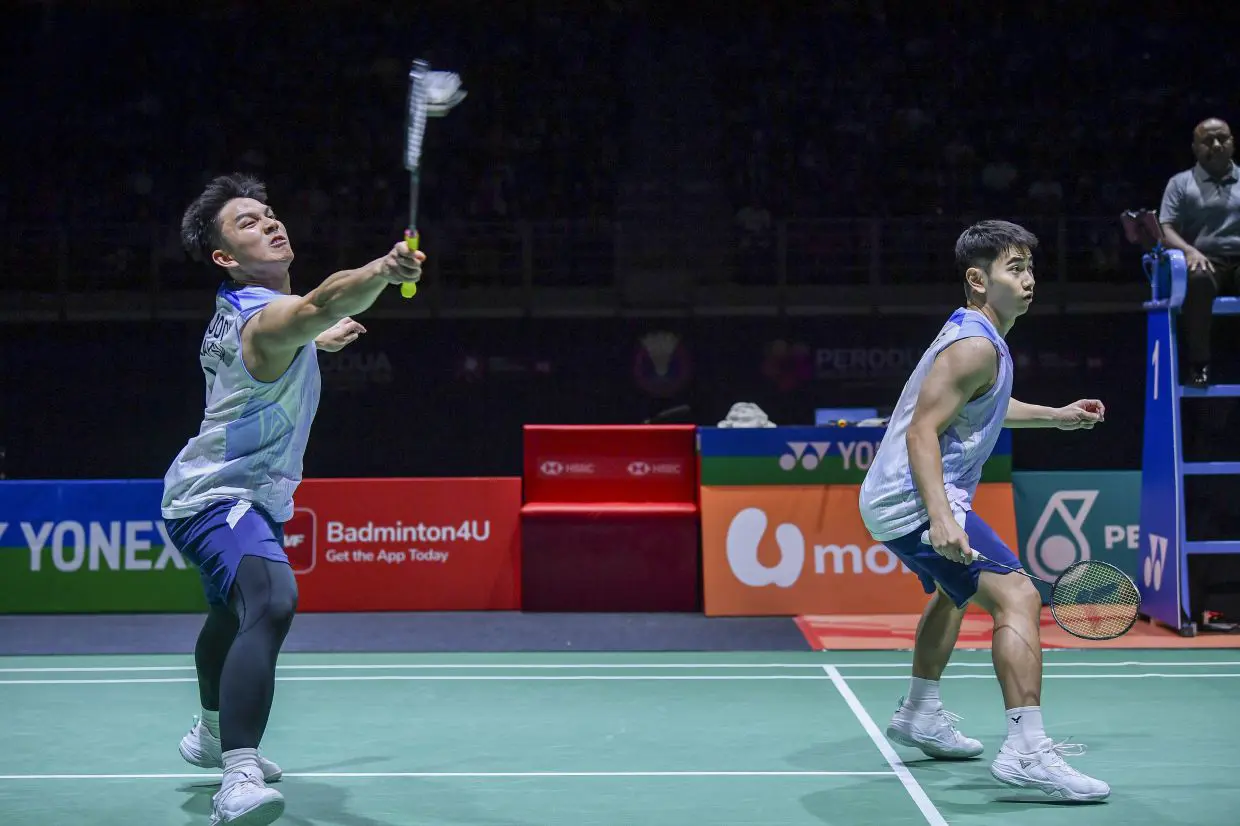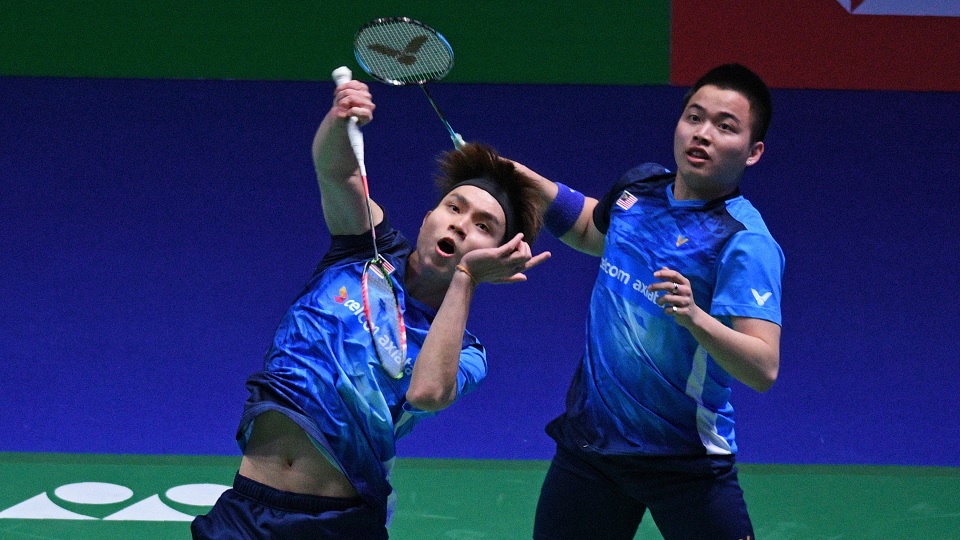

Badminton is moving faster than ever, and the introduction of a 25-second interval rule is sparking debate across the World Tour. While some top players have expressed concern, Malaysia’s Olympic bronze medallist Aaron Chia and his partner Soh Wooi Yik remain largely unfazed by the change.
Chia encountered the rule at the Indonesia Masters, where the pair suffered an early exit against Denmark’s Daniel Lundgaard and Mads Vestergaard. Despite the loss, he downplayed the rule’s impact.
“For players who stay focused and play at a normal pace, it is not an issue. It does not make much of a difference for me,” Chia said. He explained that their naturally fast court tempo aligns with the tighter timeline, giving them an advantage over players who rely on longer breaks between rallies.
Chia acknowledged that the rule could challenge certain players who use pauses to reset or dictate the rhythm of play, suggesting a potential strategic shift for those accustomed to slower pacing.
Not all players have shared Chia’s confidence. World No. 3 Anders Antonsen publicly criticized the rule, citing the physical demands of maintaining continuous high pace. Antonsen himself suffered a surprising defeat at the Indonesia Masters, falling to Taiwan’s world No. 21 Chi Yu Jen, adding to speculation about the rule’s impact.
The tournament saw a number of unexpected results. In men’s singles, Alwi Farhan and Panitchapon Teeraratsakul contested an unprecedented Super 500 final. Farhan claimed the title and jumped to a career-high world No. 14, while Panitchapon rose to No. 36. Analysts wonder whether the new 25-second rule contributed to these surprising outcomes by disrupting player routines and pacing.
The 25-second interval rule remains in its trial phase, aiming to reduce time-wasting and shorten match durations. While players like Chia adapt seamlessly, others may need to adjust their strategies to keep up. The badminton world will be watching closely to see if this faster pace becomes a permanent feature and how it will shape the future of competition.
Adaptability, it seems, may be the ultimate key to success in this new, accelerated era of badminton.