


It's time for MotoGP to listen to its stars, and Pedro Acosta is leading the charge with a definitive call for change: when it comes to holeshot devices, it's "everything or nothing!" The KTM rookie fears that a partial ban could plunge the sport into new, unforeseen dangers.
Acosta Ignites Debate Over MotoGP Ride Height Devices
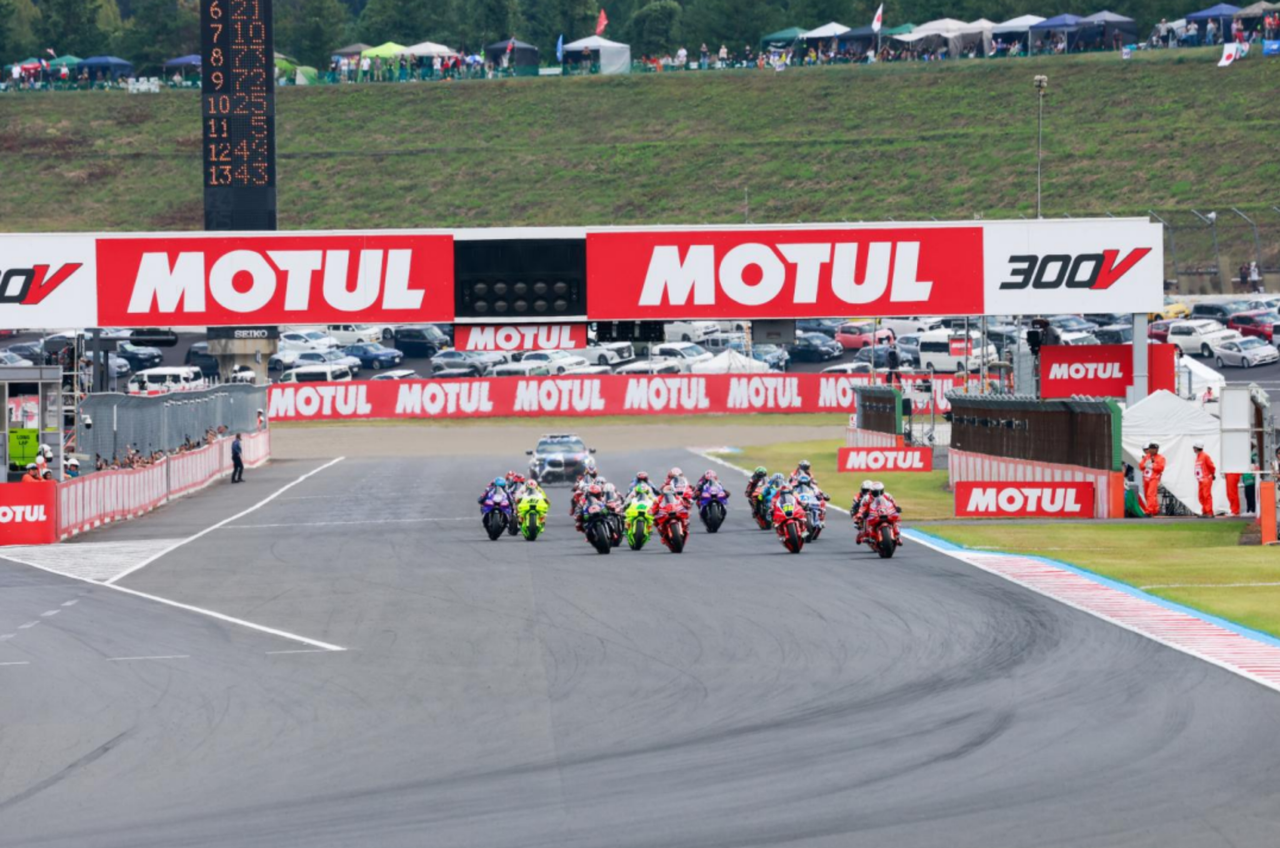
The whispers around ride height device regulations in MotoGP have reached a fever pitch, driven by a recent surge in first-corner incidents. Race organizers are pushing to ban the front holeshot device as early as the British Grand Prix in August, hoping to temper the frantic acceleration that often leads to crowded, high-stakes turn-ins. But not everyone is convinced this piecemeal approach is the answer.
Key Insights on the Holeshot Controversy
- Pedro Acosta vehemently argues for the simultaneous removal of both front and rear holeshot devices.
- He warns that banning only the front device introduces significant new safety risks for riders.
- A failure of the rear device without its front counterpart could render bikes uncontrollable during critical braking.
- Other leading riders, including Marco Bezzecchi and Fabio Quartararo, advocate for extensive testing before any definitive changes.
Acosta's Ultimatum: Ban Both or Face New Perils
Acosta, fresh from a strong showing at the Czech Grand Prix practice, has voiced a critical concern. "Just going without [the front] holeshot, I'm not sure it's the safest thing," he declared. The KTM sensation's primary apprehension centers on the rear holeshot device and its potential behavior without the front device for balance.
The Precarious Balance: Why a Partial Ban is Risky
The intricate engineering of modern MotoGP bikes means every component plays a role in their delicate balance. Acosta vividly illustrates the danger: "With the rear down, you cannot turn. The front is in the air, I would say." He explains that if the rear device remains engaged or malfunctions during braking into a corner, the absence of a compensating front device would critically compromise control, putting riders at immense risk. While a stuck front device allows some maneuverability, a rear device failure without the front is, in his view, a far more hazardous scenario. For Acosta, the solution is clear: remove all ride height devices, and do it now.
Rider Consensus: Caution and Comprehensive Testing Needed
While Acosta's position is unwavering, many of his peers advocate for a more cautious, data-driven approach. World championship leader Marco Bezzecchi expressed reservations about a hasty implementation. Bezzecchi believes it's "not a safe solution to immediately remove it," suggesting "at least one or two weekends more" of trials are indispensable before any permanent decision.
Yamaha's Fabio Quartararo echoed the need for thorough preparation. Quartararo emphasized, "We need to practice a bit more," highlighting that both riders and teams require ample time to adapt to such significant technical changes. There's a shared sentiment across the paddock that while the intentions behind the proposed ban are good, a rushed decision could inadvertently introduce new, unforeseen challenges to rider safety.