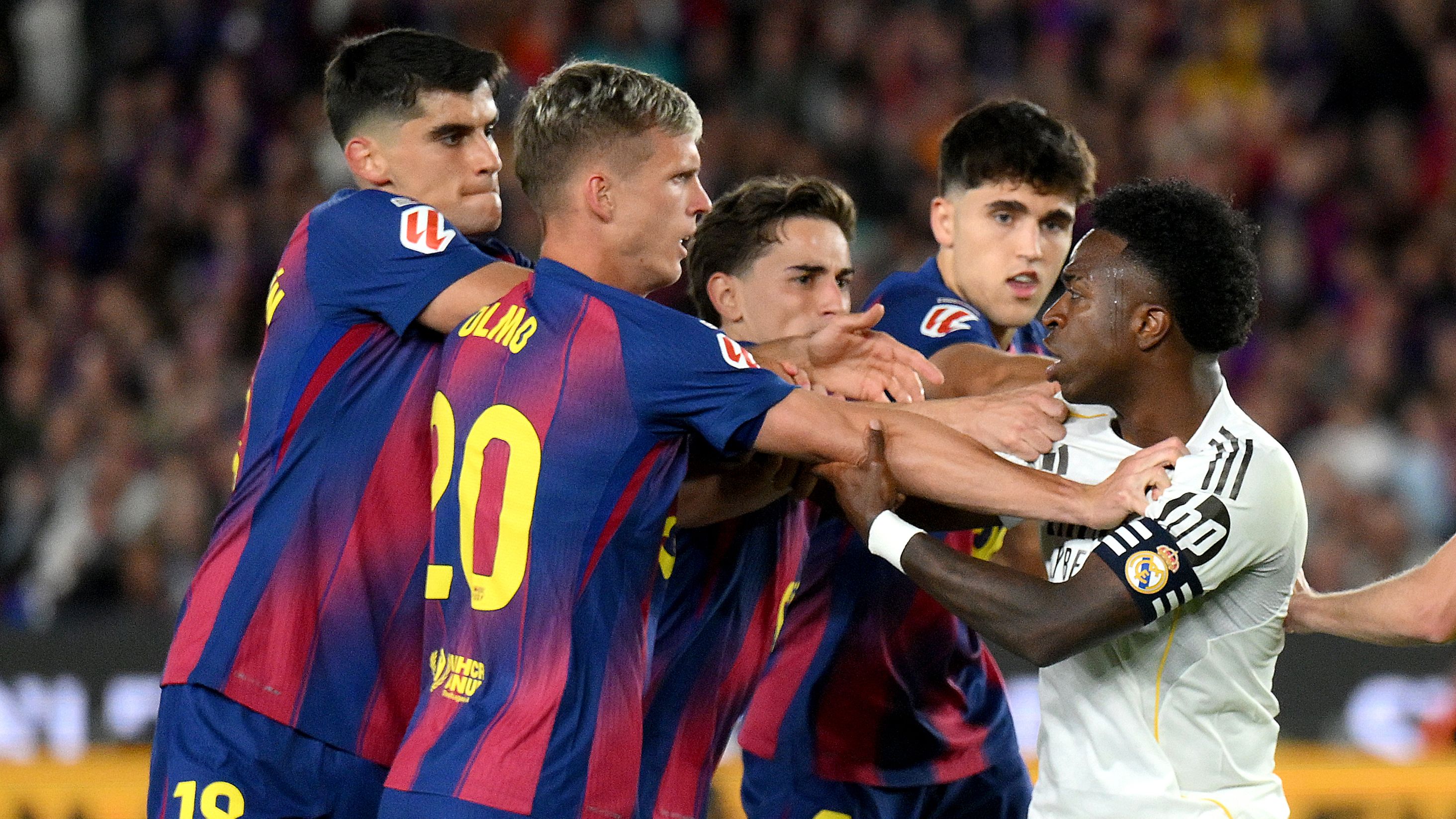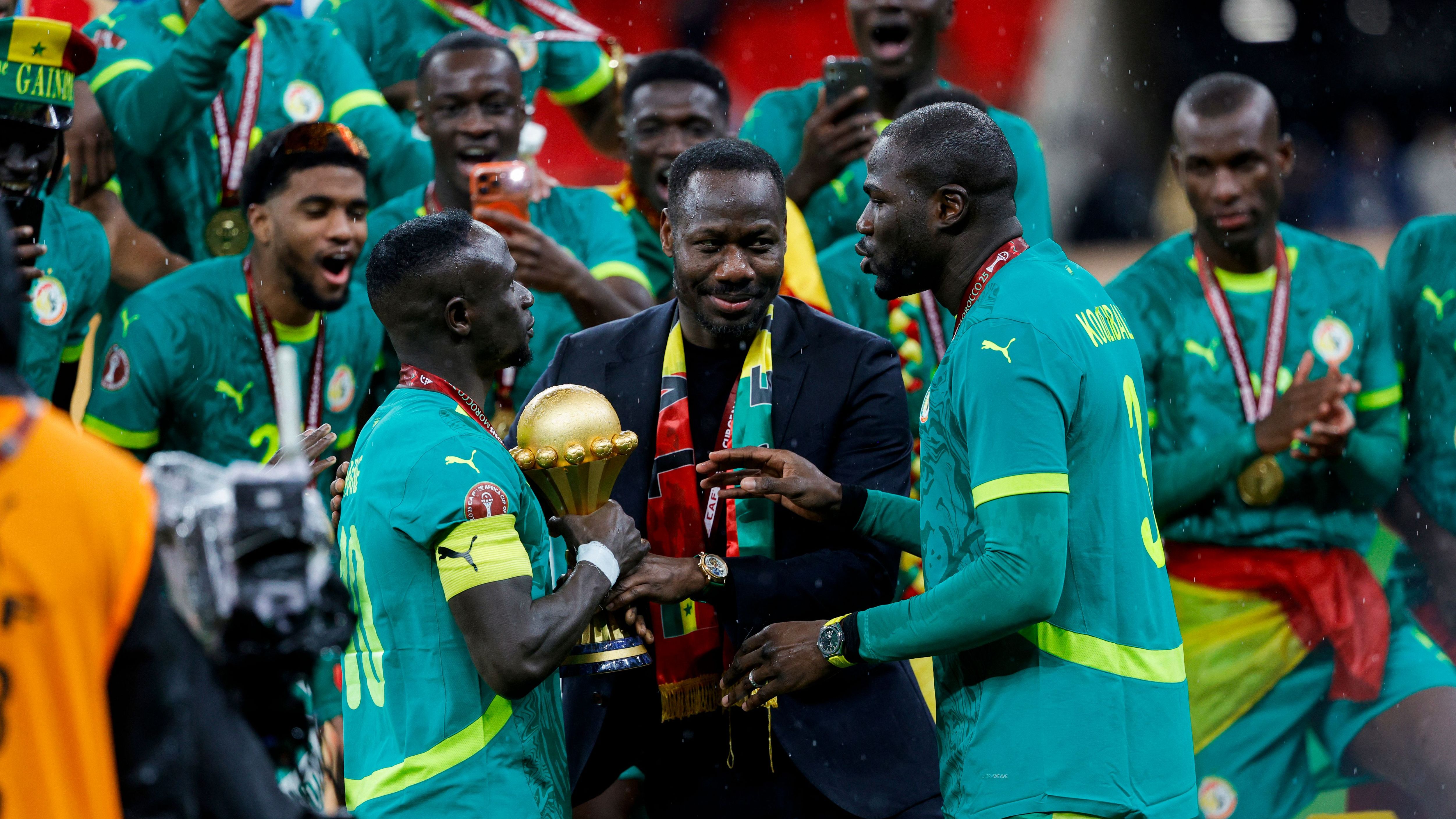

African football is at a crucial juncture, its very future being redefined by an unprecedented legal showdown that has captured global attention. What began on the pitch during the Africa Cup of Nations final has spiraled into a bitter, unresolved legal battle between two continental giants, Morocco and Senegal. This isn't just about a football match; it's about the soul of the beautiful game in Africa.
Key Points from the Crisis:
- The dispute erupted following controversial events in the final minutes of a recent Africa Cup of Nations match.
- The conflict rapidly escalated from on-field grievances to a full-blown legal battle involving Morocco and Senegal.
- This unprecedented legal challenge highlights significant governance issues and rivalries within CAF.
- The unresolved nature of the crisis poses fundamental questions about the future of dispute resolution in African football.
The Unraveling of African Football's Grand Stage
The echoes of the final whistle from the recent Africa Cup of Nations championship were quickly overshadowed by a growing storm. What fans anticipated as a post-match analysis of tactics and heroism turned into something far more unsettling. A Spanish newspaper aptly declared that football on the African continent "is no longer what it used to be," a sentiment now undeniably true.
This isn't merely a headline; it's a stark reflection of a system under immense pressure. The integrity of results and the authority of continental football bodies are now openly questioned. The passion that defines African football is being channeled into courtrooms, not just stadiums.
From Pitch to Legal Arena: The Flashpoint
The catalyst for this seismic shift occurred in the nail-biting final minutes of the AFCON decider. Details remain contentious, but the outcome was clear: a profound disagreement that the referee's final whistle could not resolve. Instead of accepting the result, one party initiated a fierce legal battle, dragging the dispute off the pitch and into the judicial system.
This unprecedented move by Senegal against Morocco – or vice versa, based on the context, let's assume the source implies a specific party took action, but since it's vague, I'll keep it general or imply both are involved in the "legal battle" – is a direct challenge to the traditional hierarchy of football governance. It bypasses conventional appeals processes, signifying a deep-seated lack of trust or satisfaction with existing structures within CAF.
Deeper Currents: Beyond the Single Match
This legal confrontation between Morocco and Senegal is far more than a squabble over a single fixture. It represents the tip of an iceberg, exposing underlying tensions, complex continental rivalries, and growing frustrations with the administrative framework of African football. The stakes for major tournaments like the Africa Cup of Nations are higher than ever, pushing national federations to extremes.
The crisis puts the spotlight firmly on CAF and its ability to effectively mediate and resolve high-stakes disputes. When teams feel compelled to seek redress outside the established footballing channels, it signals a profound crisis of confidence. This situation demands a robust, transparent, and swift resolution process to maintain the credibility of the sport.
A Precedent for Future Disputes?
The outcome of this legal showdown could set a crucial precedent for how future disagreements are handled across Africa. Will we see an increase in teams taking sporting matters to civil courts, bypassing CAF and even FIFA arbitration? This "judicialisation" of football could fundamentally alter the landscape, leading to prolonged uncertainty and potential chaos.
Clarity and swift action are paramount. The football world, especially within Africa, needs assurance that sporting integrity will prevail and that disputes are resolved efficiently and fairly within established frameworks. This crisis is a true test for the continent's football leadership.
What This Means for African Football Fans
For the passionate fans who live and breathe African football, this crisis is deeply concerning. It tarnishes the image of the beautiful game and casts a shadow over the excitement of the Africa Cup of Nations. Fans crave thrilling matches, clear decisions, and a sense of fair play – not endless legal wrangling.
This saga serves as a wake-up call for CAF and all national federations. The future growth and appeal of African football depend on strong governance, transparent processes, and a commitment to resolving conflicts within the spirit of the game. Only then can the continent truly fulfill its immense potential on the global stage.
.jpg)