

Get ready, India! Ahmedabad is smashing its way to the forefront of the nation's burgeoning pickleball scene with a game-changing announcement. The city is set to build a massive, dedicated pickleball center on the iconic Sabarmati Riverfront, a move that promises to transform the sport from a popular pastime into a national powerhouse. This isn't just another court; it's a statement of intent, signaling a new era for Indian pickleball.
Key Points: Ahmedabad's Pickleball Revolution
- Ahmedabad is constructing India's first civic-backed pickleball center on the Sabarmati Riverfront.
- The expansive 7,000 sq m facility will cater to both casual enthusiasts and serious competitive athletes.
- It aims to provide affordable access, tackling the issue of high costs at existing temporary private venues.
- This landmark project is poised to elevate pickleball from a niche activity to a mainstream sport across India.
From Temporary Courts to a Permanent Home: Ahmedabad's Vision
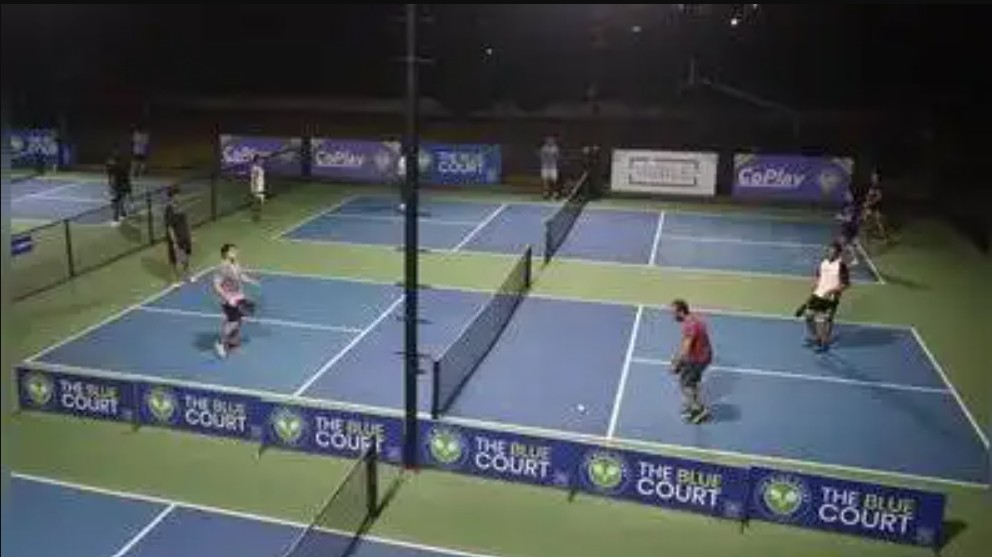
For too long, pickleball players in Ahmedabad have relied on temporary setups and often pricey private facilities. While the sport's popularity has soared, with courts popping up along SG Road and SP Ring Road, accessibility has been a significant barrier. Students like Krish Sharma highlight the financial strain, noting, "Rates at private facilities are quite high. If the corporation builds a pickleball facility, we will be able to enjoy the game at subsidised rates."
The Ahmedabad Municipal Corporation, through the Sabarmati Riverfront Development Corporation Limited (SRFDCL), is directly addressing this need. By inviting bids for a 7,000 sq m center on the western bank of the river, they are not just building courts, but building a community. This commitment underlines a crucial shift: recognizing pickleball as a vital component of urban recreational infrastructure.
More Than Just Courts: A Hub for Community and Competition
This isn't just about providing space; it's about fostering growth. The new Sabarmati Riverfront pickleball center is strategically designed to support a dual purpose. It will serve as an accessible venue for everyday recreational players, offering a fantastic opportunity for exercise, socialization, and family fun. Simultaneously, it will boast the professional infrastructure necessary to host local, regional, and even national pickleball tournaments.
This dual approach is critical. By creating a facility that welcomes beginners while also nurturing competitive talent, Ahmedabad is laying the groundwork for a robust pickleball ecosystem. It's an investment in both public health and sporting excellence, setting a precedent for other cities across India.
The Business of Growth: A Model for Nationwide Expansion
The project's operational model is as forward-thinking as its vision. Utilizing a Design, Build, Finance, Operate, and Maintain (DBFOM) lease model, the SRFDCL ensures long-term sustainability and expertise. This strategy demands that applicants demonstrate significant experience in sports infrastructure projects and possess an average annual turnover of at least ₹60 lakh from sports activities over the past three years.
This robust financial and operational framework ensures that the Ahmedabad pickleball hub will be managed by experienced entities, guaranteeing high-quality facilities and services. It provides a blueprint that other municipal bodies can emulate, proving that civic-backed sports infrastructure can be both impactful and sustainable.
Why This Matters for Indian Pickleball
Ahmedabad's bold move is more than a local development; it's a bellwether for the entire Indian pickleball landscape. It marks a definitive transition for the sport from a burgeoning trend to a recognized, mainstream athletic endeavor. By creating a dedicated, accessible, and professionally managed facility, Ahmedabad is poised to become a national leader in pickleball development. This initiative could very well ignite a wider "pickleball revolution," inspiring similar projects and further solidifying India's place on the global pickleball map. The future for Indian pickleball looks incredibly bright, starting on the banks of the Sabarmati.