
Al-Hilal's Transfer Masterclass vs. Al-Nassr's Crisis
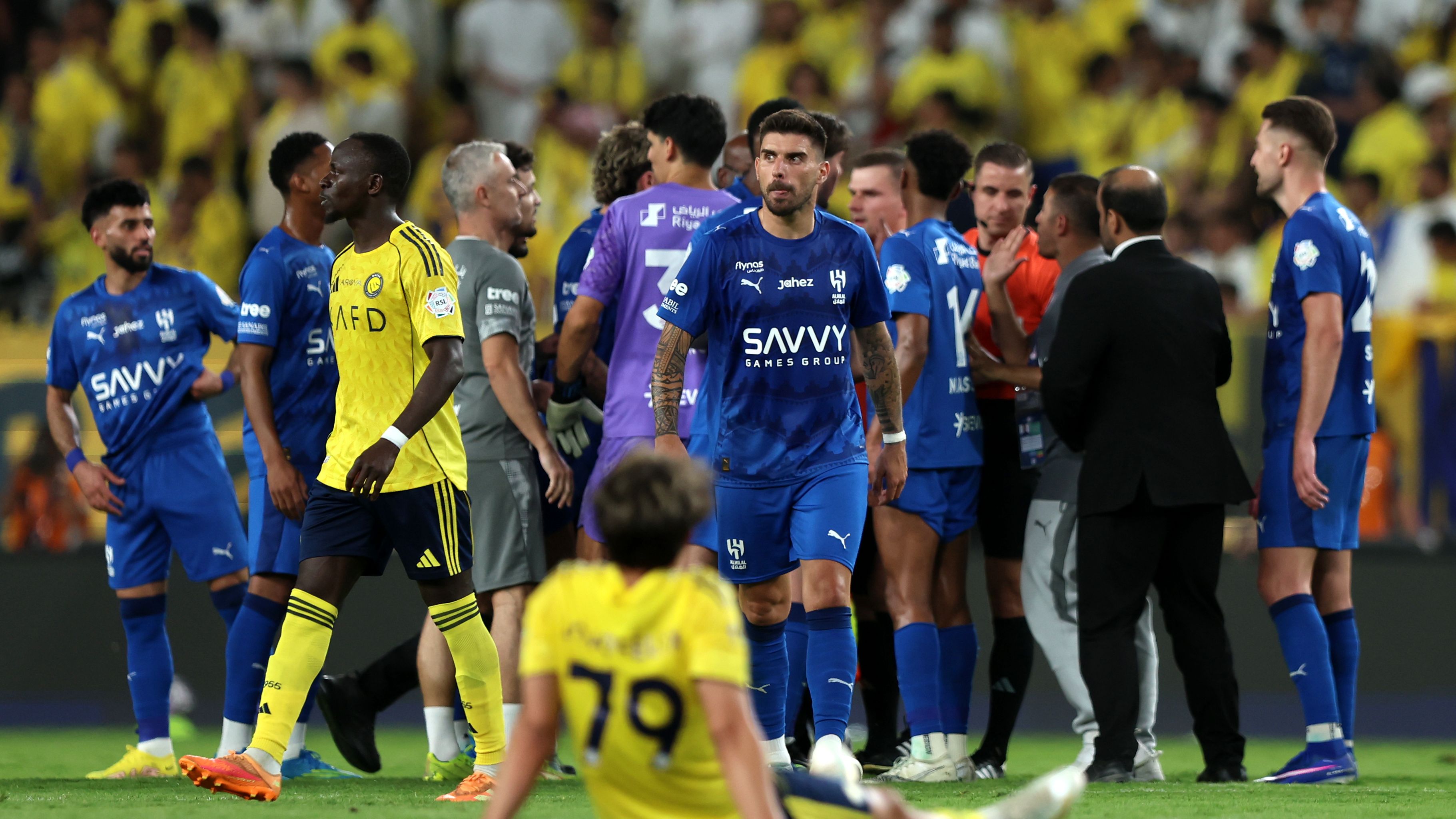
The Saudi League is witnessing a seismic shift in fortunes as Riyadh's two giants, Al-Hilal and Al-Nassr, embark on vastly different paths this summer transfer window. While one club splashes cash with unprecedented abandon, the other finds itself entangled in a debilitating financial crisis, leaving fans—and even superstar Cristiano Ronaldo—fuming. This isn't just a tale of contrasting budgets; it's a deep dive into the structural changes shaking Saudi football.
Key Takeaways from the Transfer Tussle
- Al-Hilal is orchestrating a historic spending spree, notably securing Crysencio Summerville for a massive €80 million fee.
- Al-Nassr is gripped by a severe financial crisis, leaving them unable to make any new signings.
- The contrasting fortunes stem from a critical ownership change: Al-Hilal is now privately owned, while Al-Nassr remains under Public Investment Fund (PIF) oversight.
- This disparity has fueled frustration among Al-Nassr fans and significantly impacted star player Cristiano Ronaldo.
Al-Hilal's Unstoppable Spending Spree
Al-Hilal, often dubbed "The Leader," is living up to its moniker, dominating the early stages of the summer transfer window. Even before the official opening, they've already secured five domestic talents, setting a formidable pace.
Crysencio Summerville: A Record-Breaking Arrival
The biggest splash comes with the imminent signing of Dutch winger Crysencio Summerville from West Ham United. Reports confirm a staggering €80 million agreement, catapulting him to the position of the second most expensive player in Saudi League history.
This colossal fee eclipses the €77 million paid for Jhon Duran and only trails behind Neymar da Silva's monumental €90 million move, also to Al-Hilal. Intriguingly, Al-Hilal's bid nearly doubled AS Roma's final offer of €46 million, showcasing their immense financial power.
Domestic Dominance and Global Ambitions
Beyond Summerville, Al-Hilal has already onboarded Mohammed Al-Owais, Mohammed Al-Sarnoukh, Nawaf Al-Habashi, Abdullah Al-Enezi, and Sabri Dahl. Their ambition doesn't stop there; global superstars like Alessandro Bastoni of Inter Milan and England's captain Harry Kane from Bayern Munich are also rumored targets.
Last winter offered a preview of this disparity, with Al-Hilal sealing seven deals, including French striker Karim Benzema, while Al-Nassr managed only a free transfer.
Al-Nassr's Transfer Turmoil: A Club in Crisis
In stark contrast to their Riyadh rivals, Al-Nassr finds itself in an unprecedented predicament. The club faces a severe financial crisis, rendering them practically paralyzed in the transfer market.
Frozen Funds and Missed Targets
Despite the season's end, Al-Nassr has failed to make a single new signing. They couldn't even replace key midfielder Marcelo Brozovic after his contract expired. Efforts to secure Real Mallorca's Samu Costa for a modest €9 million, a request by coach Ange Postecoglou, were reportedly stalled due to stringent budget approvals.
Every potential deal is subject to strict financial oversight, preventing the executive committee from concluding negotiations without a signed-off budget. This bureaucratic hurdle highlights the depth of their financial woes.
Ronaldo's Fury: Echoes of Last Season
The fan base isn't the only one feeling the sting. Last winter, the stark gulf in transfer activity between the two clubs fueled immense frustration, even leading Cristiano Ronaldo to reportedly sit out matches in protest. League officials had then explained that Al-Hilal's deals were funded outside the recruitment committee, backed by Prince Al-Waleed bin Talal.
The Billion-Dollar Question: Unpacking the Ownership Divide
The dramatic divergence in fortunes boils down to a fundamental shift in ownership structures, which occurred just three months ago in April.
Al-Hilal's Newfound Freedom
Al-Hilal is no longer solely under the purview of the Saudi Public Investment Fund (PIF). Kingdom Holding Company, owned by Saudi billionaire Prince Al-Waleed bin Talal, acquired a controlling 70% stake for a staggering 840 million riyals. This pivotal move has liberated "The Leader" from the stringent budget constraints imposed by the recruitment committee, allowing them unparalleled financial freedom to pursue any target.
Al-Nassr's PIF-Tied Chains
Conversely, Al-Nassr remains fully owned by the Saudi Public Investment Fund (PIF). This means they are directly tied to the budget dictated by the central recruitment committee. Reports suggest the club is grappling with the biggest financial crisis in its history, forcing them to accept significant restrictions on every potential transfer. The dream of challenging Al-Hilal for league supremacy seems a distant one given these stark financial realities.
This ownership split has created a fascinating, yet potentially problematic, dynamic in the Saudi League, with one titan soaring while the other struggles to stay afloat.