

The Unbearable Truth: Alonso's Physical Ordeal
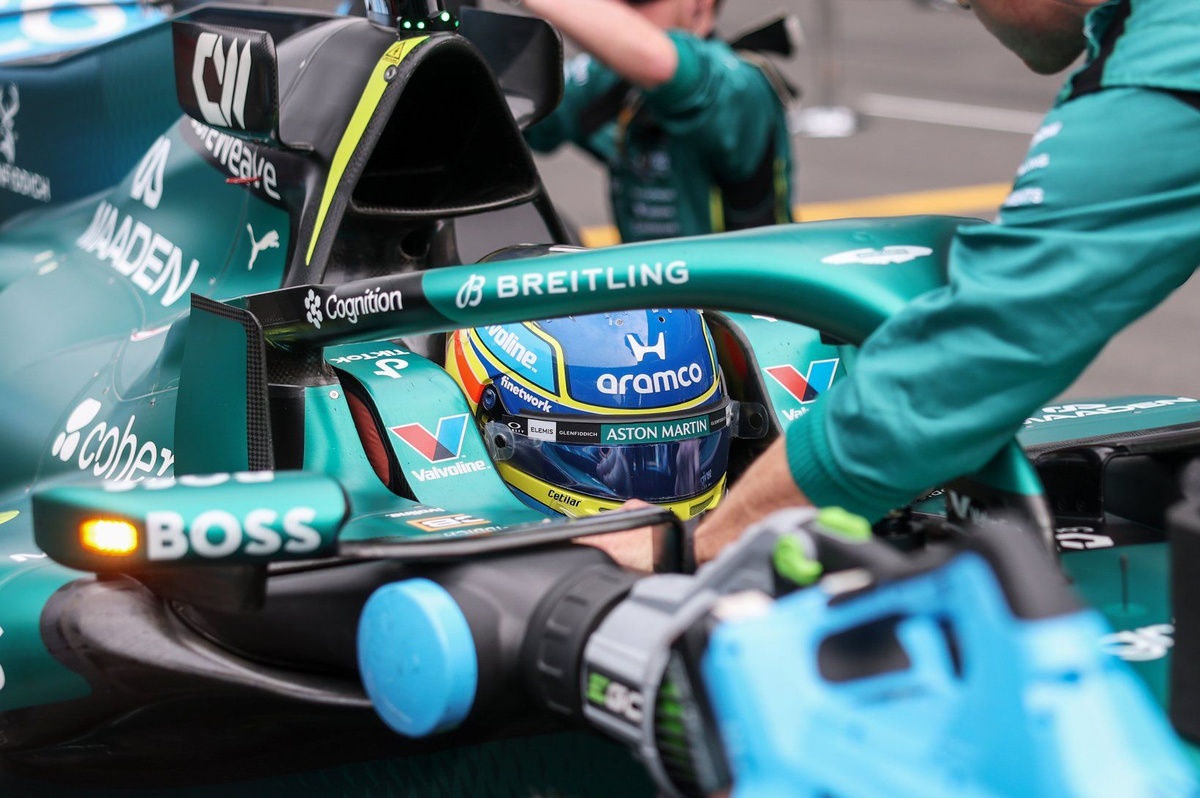
Fernando Alonso didn't just retire; he was pushed to his physical limits. The veteran driver revealed a shocking account of his experience, telling DAZN, "starting around lap 20 or so, I began to lose all feeling in my hands and feet." This wasn't merely discomfort; it was a debilitating sensation that made continuing the race an impossibility.
"Continuing until the end of the race while losing feeling in my hands and feet didn't make much sense," Alonso stated. His candid remarks underscore the severity of the vibrations emanating from Honda's internal combustion engine, which are far worse than typical racing stress and raise serious questions about driver well-being.
Reliability Crisis: A Double DNF Disaster
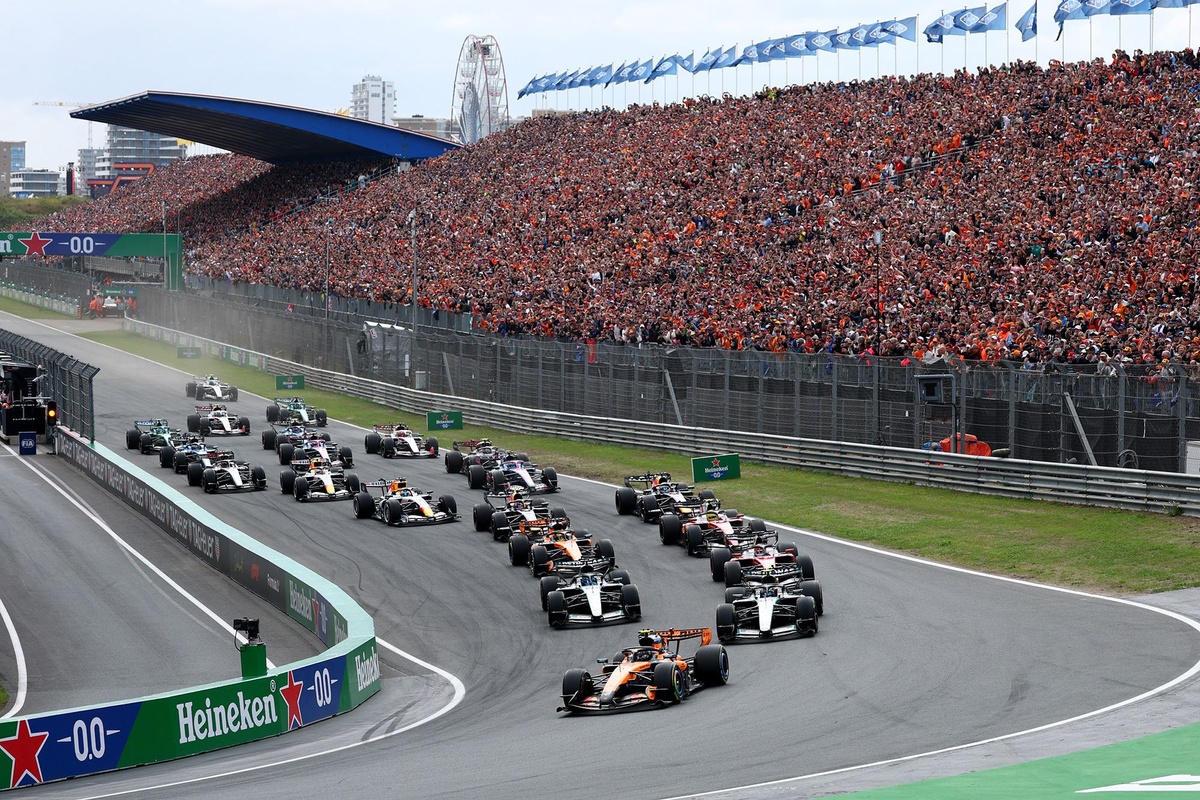
The physical toll on Alonso is just one facet of a broader reliability crisis gripping Aston Martin. The Chinese Grand Prix saw both Alonso and teammate Lance Stroll retire, marking a concerning repeat of the double DNF witnessed at the Australian Grand Prix. Stroll's retirement on lap 10 was linked to a suspected battery failure, a common casualty of the excessive vibrations.
This pattern of premature exits is crippling the team's championship aspirations and putting immense pressure on Honda to find urgent solutions. With the grid's competitiveness at an all-time high, every point counts, and Aston Martin is bleeding them due to these fundamental flaws.
Honda's Dilemma: 2026 Vision Under Threat
Honda's partnership with Aston Martin as their new works team for 2026 is a long-term commitment, but these early struggles are casting a dark shadow. The Japanese manufacturer is clearly battling to adapt its power unit to F1's current regulations, with the vibrations proving to be a persistent and dangerous design flaw. Honda's trackside general manager, Shintaro Orihara, acknowledged improvements on the "systems side" but admitted it's "still an issue for driver comfort."
The current situation raises critical questions about the future. Can Honda rectify these deep-seated issues before **2026**? The stakes are incredibly high for both parties, with their long-term F1 ambitions hanging in the balance.
Artificial Gains and the Battery Battle
Despite **Honda's** claims of progress, **Alonso** remained skeptical, noting that the engine felt "exactly the same as in Australia." He suggested that any perceived improvements were "achieved artificially" by reducing engine RPM. While this might temporarily lessen vibrations, it compromises performance, especially during critical moments like overtakes or energy deployment.
"On lap one it's true that we all have the same level of battery, which is full. Then we enter this battery world championship, and in that we are not as good as the others," Alonso quipped. This highlights **Aston Martin's** significant disadvantage in energy management, directly linked to the power unit's vibrational stress on the battery system. It's a championship of power, and right now, **Aston Martin** and **Honda** are struggling to compete.