
Alpine's Bold 2026 F1 Bet: A Deep Dive into A526 Innovations
Alpine isn't just turning a page; they're ripping up the playbook for 2026 with the radical A526. After a dismal last season, the Enstone squad has unleashed a car that screams innovation, boldly challenging conventional F1 wisdom in a desperate bid for redemption. The future of Alpine F1 rests on these audacious choices, starting with a significant power unit shift and an entirely fresh aerodynamic philosophy. This is not a team content to follow; they're determined to lead.
Key Innovations on the Alpine A526
- Mercedes power unit switch aims to eliminate previous performance excuses.
- A526 features a highly unconventional pull-rod front suspension, defying current trends.
- Groundbreaking rear wing activation and aerodynamic details push boundary design.
- Early development during Barcelona testing shows an agile, responsive design philosophy.
A New Engine, A New Era for Enstone
The mandate from figures like Flavio Briatore was clear: Alpine needed a fresh start. Swapping from their long-standing Renault power units to a Mercedes engine isn't just a technical change; it's a statement. This move instantly removes one of the most persistent excuses for the team's underperformance, especially after finishing at the bottom of the constructors' championship last year. It signifies an unwavering commitment to challenge the established order.
Overseen by David Sanchez, the A526 isn't just a hopeful evolution; it’s an ambitious blueprint to propel the French brand back to where a factory team truly belongs. This aggressive pivot to 2026 development, even at the cost of the previous season's points, highlights a team willing to gamble big for a brighter future.
The Shocking Suspension Choice
One of the most talked-about elements of the A526 is its front suspension layout: a return to the pull-rod concept. In a paddock dominated by push-rod designs – favored by giants like McLaren, Red Bull, and Ferrari – Alpine stands almost alone, joined only by newcomer Cadillac. This isn't merely a design curiosity; it's a bold defiance of prevailing trends, signaling Alpine's belief in finding unique advantages within the new regulations. It’s a high-risk, high-reward strategy that could pay off handsomely if they’ve unlocked its full potential.
Rear Wing Revolution: Aero Secrets Unpacked
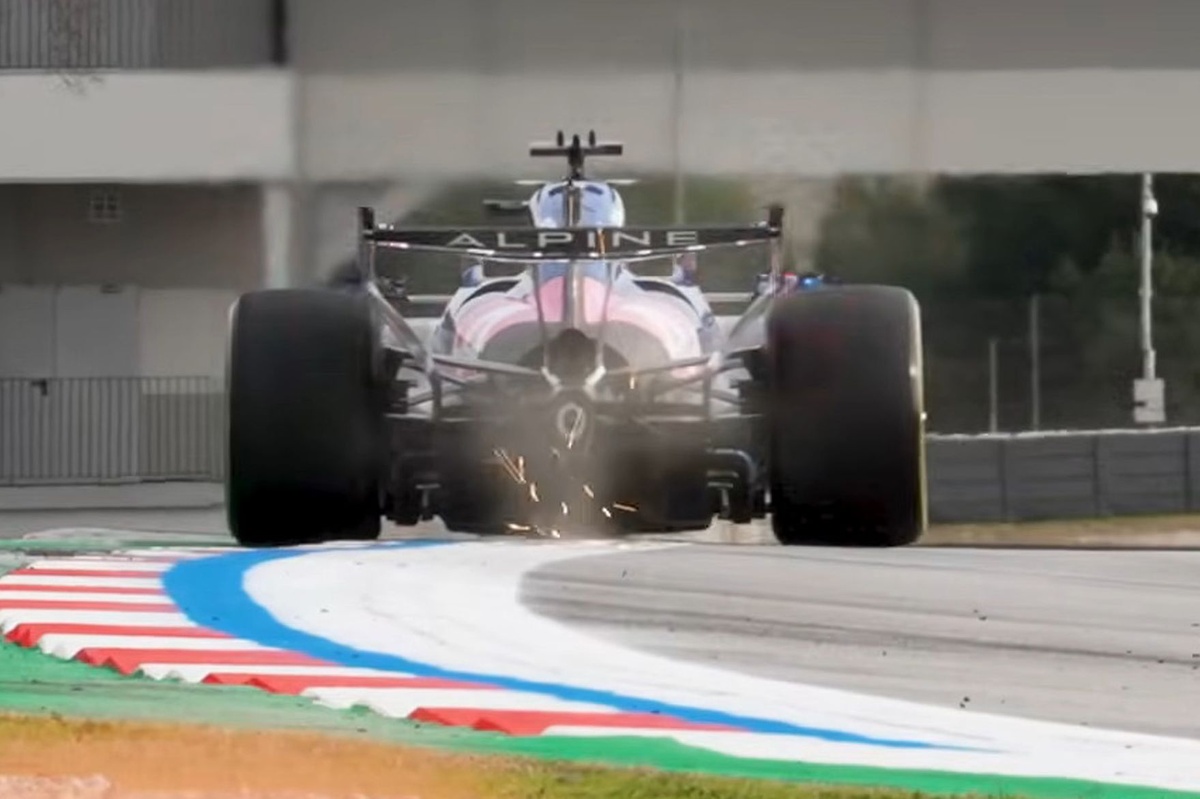
The engineering ingenuity doesn't stop at the front axle. The A526's rear end showcases some fascinating solutions. Its movable rear wing activation system is remarkably different from the field; instead of raising the front of the wing, the actuator cleverly lowers the trailing edge of the movable section. This unique approach could offer distinct aerodynamic benefits and highlights the creative thinking within Alpine's design team.
Closer inspection of the rear wing endplates reveals another subtle innovation: a slight outward curve at the top. This detail is designed to increase the flow capacity of the rear wing, a critical challenge given the tight regulatory box. It's a clear indication that Alpine's engineers are meticulously grappling with the complexities of balancing front-end and rear-end aerodynamics under the new rulebook.
Sidepod Secrets and Early Development Agility
The A526's sidepod profile also warrants attention. The radiator inlet is positioned unusually far forward relative to the side anti-intrusion spur, which itself protrudes slightly and remains detached from the main sidepod body. This intricate design choice speaks to a concerted effort to manage airflow around the critical central section of the car.
During its initial shakedown at Barcelona, the A526 demonstrated rapid development. By the third day, visible changes were already in place. The engine cover was opened to help vent hot air from the new Brixworth-built power unit, and a second support strut appeared on the bargeboard behind the front wheel. Furthermore, the retention of flow conditioners under the front wing – a concept reminiscent of regulations past – shows Alpine's willingness to revisit and optimize every possible aero detail. This rapid iteration capacity hints at a flexible design that can adapt and improve swiftly as the 2026 F1 season approaches.