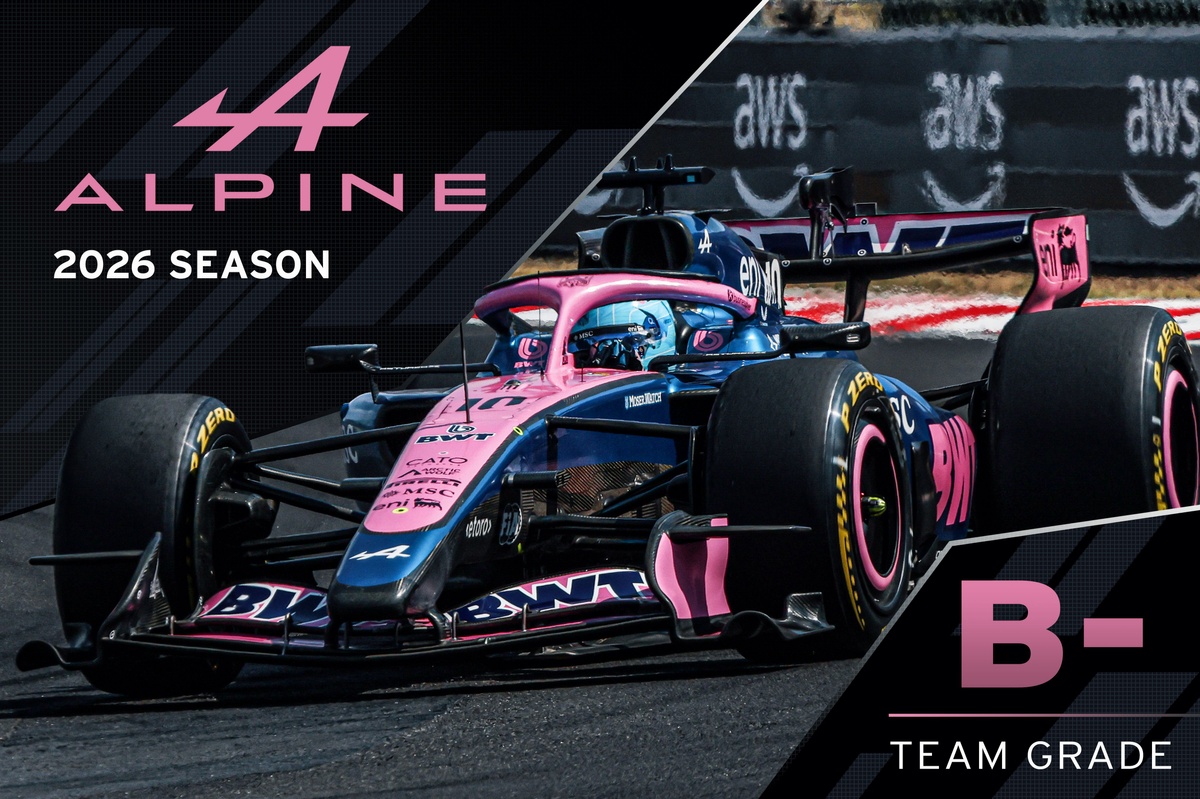

What a ride it's been for Alpine in the first half of the 2026 Formula 1 season! From dominating the midfield to battling for every point, their journey has been a testament to both early ambition and the brutal reality of F1 development. Initially, it seemed their bold strategy of focusing on the 2026 regulations paid dividends, but the competition has roared back.
Key Takeaways from Alpine's Half-Season:
- Early focus on 2026 yielded a strong start with a competitive A526 car.
- Powered by Mercedes engines, the team quickly established itself as a midfield leader.
- Pierre Gasly secured a crucial, if controversial, Monaco podium finish.
- Momentum stalled as rivals like Racing Bulls and Audi surged ahead, pushing Alpine to 6th.
- A significant Zandvoort upgrade package is eagerly anticipated to regain lost ground.
Alpine's Early Season Surge: A Midfield Masterclass
The decision to shift focus to the 2026 season far in advance truly paid off for Alpine. Bolstered by their new Mercedes power units, the Enstone squad unleashed a surprisingly potent A526 chassis that quickly became the benchmark in the midfield. After a challenging opener in Melbourne, the team found its stride, consistently battling for and securing points in the first seven Grand Prix weekends.
Pierre Gasly was a standout performer, regularly pushing the car into Q3 and showcasing the raw pace of the early Alpine package. His impressive form, often overshadowed in previous seasons, finally shone through. Teammate Franco Colapinto also gained significant confidence, becoming a more stable and consistent presence within the highly competitive midfield, easing any doubts about his long-term future with the team. The highlight was undoubtedly Gasly's controversial Monaco podium, a result initially under threat but later affirmed, underscoring the team's early potential.
The Mid-Season Momentum Shift: Rivals Strike Back
Despite a stellar start, Alpine's momentum has undeniably faltered. As the summer break approached, the competitive landscape shifted dramatically. Rivals, particularly the impressively consistent Racing Bulls squad, began to close the gap and eventually surpass them. Racing Bulls snatched fifth place in the constructors' standings from Alpine in Hungary, five points clear, marking a significant downturn. Furthermore, Audi has also shown considerable improvement, adding another formidable contender to the midfield mix.
The stark reality of being out of sync with rivals' upgrade cycles became painfully clear. The A526 started to lack the downforce necessary to compete, turning routine Q3 appearances into hard-fought battles just to make it into Q2, as seen during the Hungarian Grand Prix weekend. This dip in performance underscores the relentless development race in Formula 1.
Flavio Briatore's Candid Assessment and Rallying Cry
Alpine's Executive Advisor, Flavio Briatore, minced no words about the team's recent struggles. He openly admitted that Racing Bulls had "done a better job in this phase of the year," acknowledging their slip to sixth in the standings. However, his message was also a powerful call to action for the Enstone team.
"We know that developments and upgrades are coming very soon, and we need to make big jumps that we know we're capable of," Briatore declared. He urged the team to use this setback as "added motivation" to "turn things around." The seasoned F1 veteran emphasized that "what matters most is where we finish at the final race," indicating that Alpine is far from giving up on their 2026 F1 season ambitions.
The Road Ahead: Zandvoort and Beyond
All eyes are now on the upcoming Zandvoort Grand Prix, where Alpine is slated to introduce its next major upgrade package. This development is crucial, projected to provide a clearer picture of whether the team can recapture its early-season form and regain the upper hand over its midfield rivals. The second half of the 2026 Formula 1 season promises an intense fight as Alpine strives to prove its long-term potential and climb back up the constructor standings. The blue and pink machines have shown what they're capable of; now, they must deliver.