

The time for polite assessment is over. Italian football faces a harsh reckoning, a crisis so profound that even coaching legend Carlo Ancelotti has delivered a brutal diagnosis: Italy isn't producing the top-tier talent required to compete at the highest level. This isn't just a lament; it's a wake-up call that Roberto Mancini's Azzurri setup is now actively answering with a bold youth revolution. The stage is set for a dramatic Nations League campaign that could define a new generation.
Key Points for Italy's Rebirth
- Ancelotti's Stark Warning: Legendary coach Carlo Ancelotti argues Italian football lacks high-level domestic talent, particularly elite strikers.
- A Glimmer of Hope: Despite senior struggles, the strong performance of Italy's U17 and U20 teams offers optimism for the future.
- Mancini's Bold Move: Coach Roberto Mancini has called up an expansive 30-man squad for the Nations League, integrating exciting young prospects.
- Nations League Test: Crucial fixtures against Belgium, Turkey, and France will be the ultimate proving ground for this new-look Azzurri squad.
Ancelotti's Blistering Verdict on Italian Talent
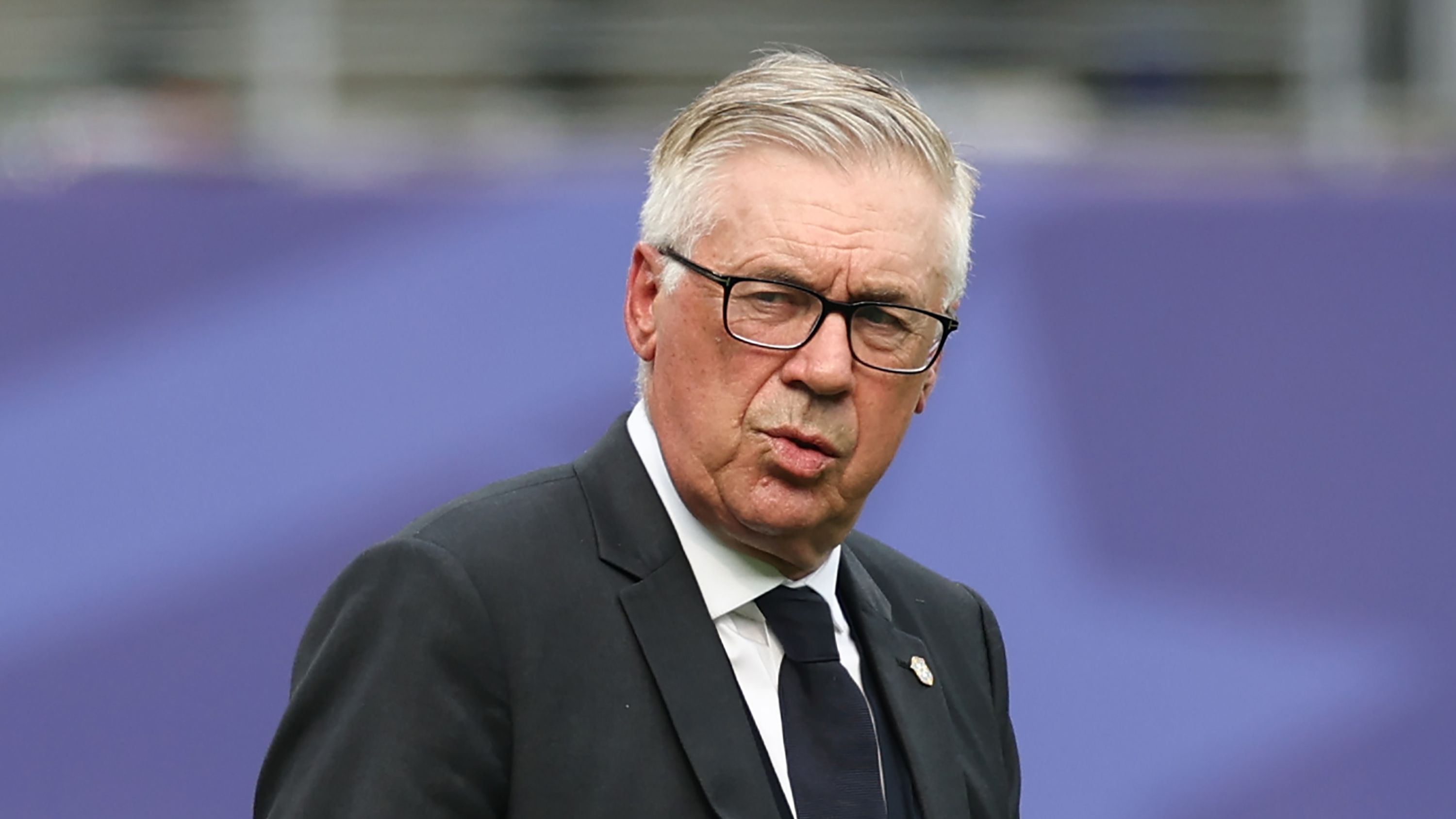
When Carlo Ancelotti speaks, the football world listens. The veteran manager, fresh off triumphs abroad, has offered a damning assessment of Italian football's current state. He pinpointed a glaring void in homegrown talent, specifically highlighting the scarcity of top-quality offensive players emerging from the peninsula.
"Italy hasn't been able, in recent years, to produce a good generation of top-level players," Ancelotti declared. He noted the stark reality that major Italian clubs like AC Milan, Inter, and Juventus currently lack a single quality Italian striker, a stark contrast to previous eras. This isn't just about missing a World Cup; it's about a systemic issue at the very heart of player development.
A Glimmer of Hope from the Young Azzurri
Despite his sharp critique of the senior talent pool, Ancelotti isn't entirely without optimism. He sees a promising future in the younger age groups, whose recent performances have offered a much-needed ray of hope. The success of Italy's U17 and U20 teams in European competitions suggests that a new cycle of talent might finally be on the horizon.
"I think the new generation of players, now under-20 and under-17, is competing very well in Europe. I think the new generation will be better in Italy and that Italy can be in the next World Cup," he stated. This potential injection of youth could be the catalyst needed to break the recent cycle of disappointment and put Italy back on the global stage.
Mancini's Youth Revolution: A New Era Dawns
In what appears to be a direct and decisive response to the urgent need for fresh blood, Italy coach Roberto Mancini is orchestrating a significant overhaul. He's set to name an expansive squad of at least 30 players for the upcoming international break, signaling a clear intent to integrate youth and assess new options.
Mancini has been scouting extensively across Europe, identifying promising talents like AC Milan's teenage sensation Alphadjo Cisse and Nicolo Tresoldi. Tresoldi, notably, has committed his international future to Italy despite having previously represented Germany at U21 level, a testament to Mancini's vision and persuasive power. This "look and see" approach is crucial, especially with a grueling schedule ahead.
The Ultimate Test: A Grueling Nations League Gauntlet
This isn't just an experimental phase; it's a baptism of fire. The Azzurri face a challenging run of four Nations League matches in just two weeks. Their journey begins with a tough home clash against Belgium on September 25, followed by an away trip to face Turkey on September 28. The challenges continue as they travel to take on powerhouse France on October 2, before concluding the window by hosting Vincenzo Montella's Turkey side on October 5.
This intense series of fixtures will provide the ultimate litmus test for Mancini's new-look squad. It's an opportunity for these young talents to prove they are ready to step up and fill the void identified by Carlo Ancelotti, potentially heralding a vibrant new chapter for Italian football on the international stage.