
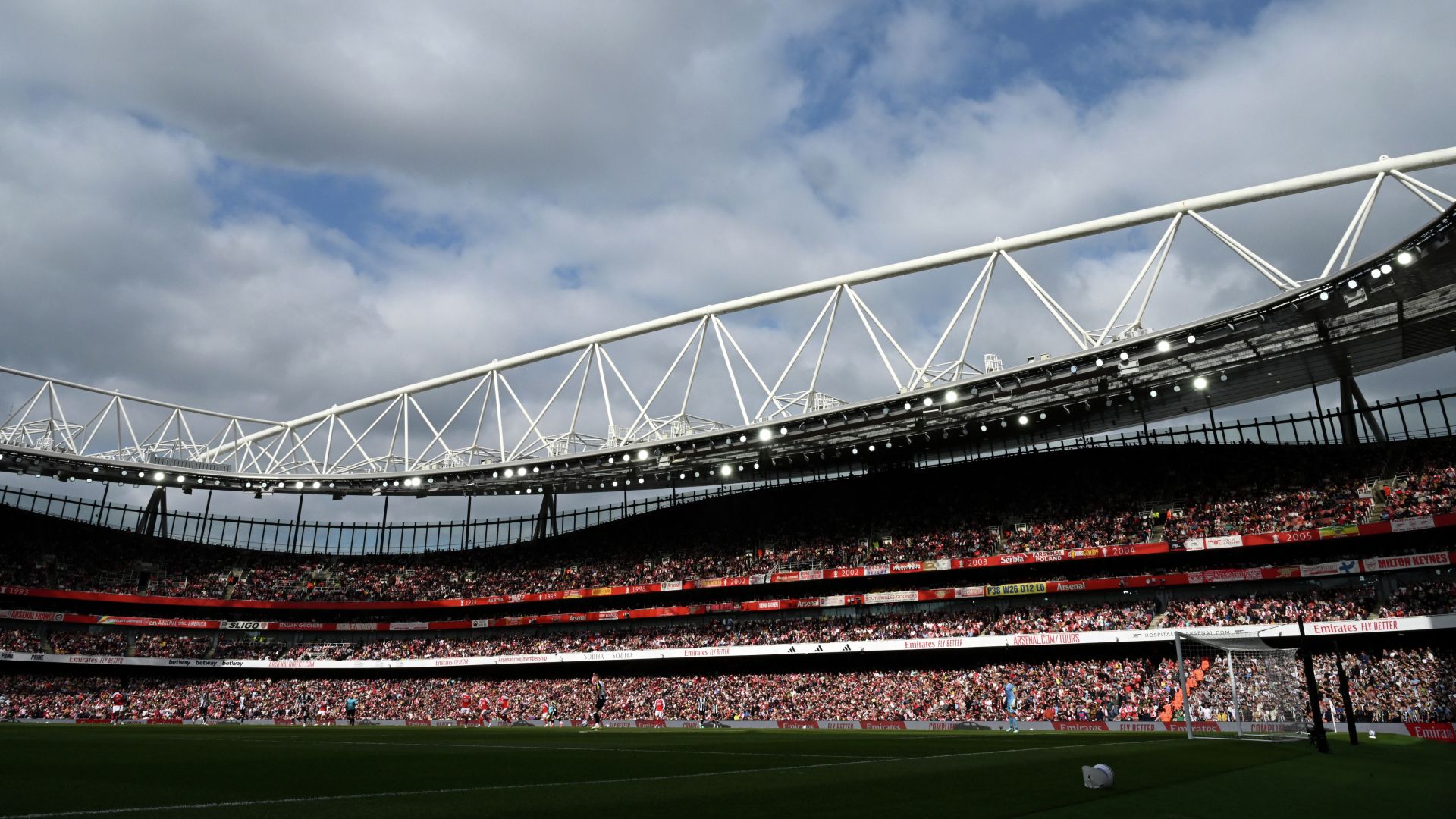

In a declaration that will undoubtedly spark robust discussion among the Gooner faithful, Arsenal has officially drawn a line in the sand regarding the future of Emirates Stadium. Despite soaring ticket demand and regular sell-outs, the club has decisively opted against a monumental expansion, choosing instead a path of careful, targeted evolution. This strategic pivot signals a clear intent: prioritize the quality of the matchday experience over a dramatic increase in seat numbers.
Key Takeaways from Arsenal's Emirates Decision:
- Major Expansion Shelved: Arsenal will not pursue a large-scale Emirates Stadium capacity increase.
- Fan Experience First: Focus shifts to upgrading hospitality, retail, and overall visitor enjoyment.
- Capacity Holds: The stadium will retain its 60,704 capacity for the foreseeable future.
- Gradual Modernization: The club aims for "continued evolution" with targeted improvements, not a disruptive "masterplan."
A Strategic Shift: Quality Over Sheer Volume
The decision wasn't made lightly. A dedicated working group, spearheaded by chief executive Richard Garlick in 2024, meticulously assessed the logistical and financial behemoth that a major expansion would entail. Ultimately, the verdict was clear: the juice wasn't worth the squeeze.
Rather than embarking on a costly and disruptive construction project, Arsenal will channel resources into modernizing existing infrastructure. This approach aims to elevate both the commercial appeal and the overall spectator environment within the current footprint of Emirates Stadium.
Igniting the Matchday Roar: Fan-First Initiatives
The club has openly communicated its intent to focus on "continued evolution" rather than a transformative "masterplan." This means building on successful enhancements already in progress and rolling out new ones that directly impact fans. Partnerships with catering experts like Legends are improving food and beverage offerings.
Crucially, the phased introduction of safe standing areas is a cornerstone of this strategy. Following its success in the Clock End this season, the initiative will expand to the North Bank next term. These changes aim to enhance the atmosphere and fan engagement without the extreme engineering challenges of raising roofs or adding entire tiers.
The Capacity Conundrum: Where Arsenal Stands
This strategic choice means Arsenal's home will remain England's seventh-largest football stadium by capacity, holding steady at 60,704. While still a formidable venue, it trails behind several Premier League rivals.
Giants like Manchester United's Old Trafford (74,158), local rivals Tottenham Hotspur's state-of-the-art stadium (62,850), and even Liverpool's recently expanded Anfield (61,276) boast larger capacities. The Emirates remains world-class, but it won't be competing with the multi-purpose versatility of newer venues designed for NFL games and major concerts.
By opting for incremental gains over a seismic shift, Arsenal is banking on a refined fan experience to drive success both on and off the pitch. This "evolution over overhaul" philosophy for Emirates Stadium underlines a pragmatic approach, aiming to maximize current assets while keeping the Gooner faithful at the heart of their strategy.