

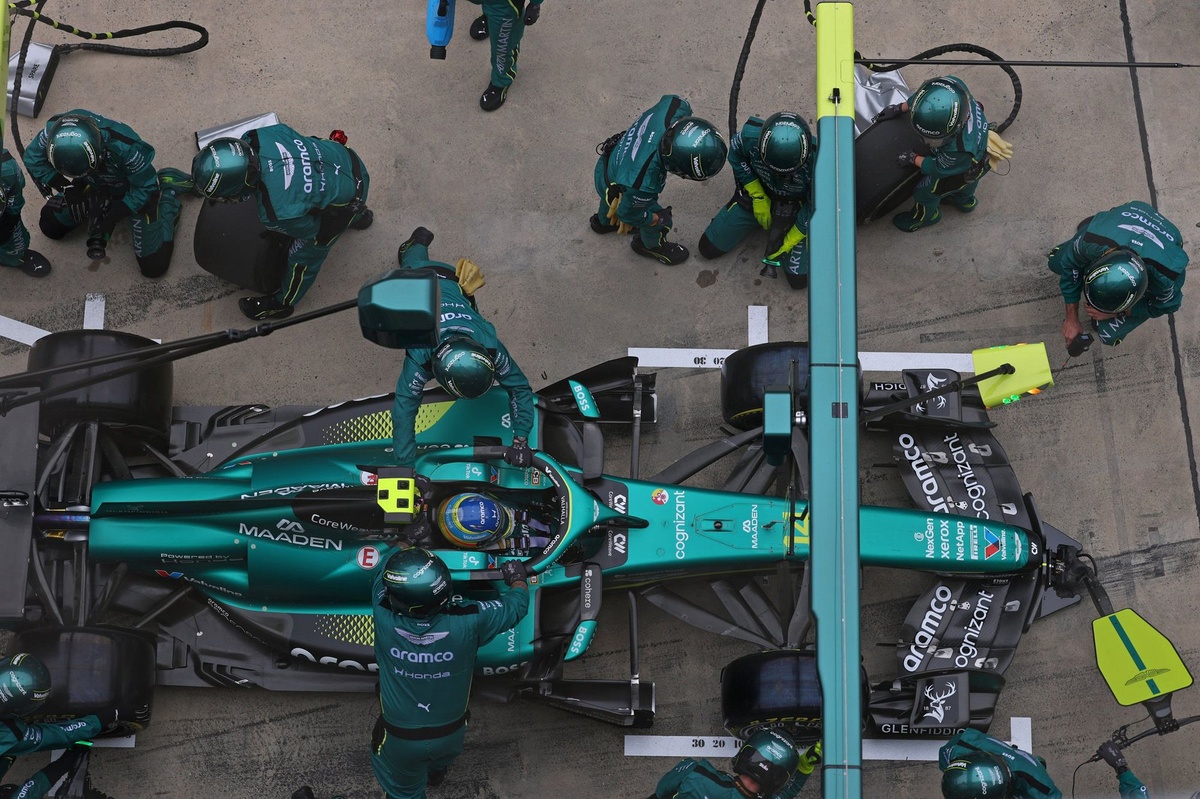

A Season Opener Riddled with Reliability Nightmares
The 2026 Formula 1 season has kicked off like a nightmare for Aston Martin, but beneath the surface of dismal results, a defiant optimism is beginning to bubble. What was heralded as a new era, potentially bolstered by the legendary Adrian Newey and a fresh Honda works deal, has instead delivered a harsh dose of reality.
Key Points from Aston Martin's Early 2026 F1 Campaign:
- Honda power unit vibrations are the primary culprit, causing repeated battery failures.
- A significant four-month delay in the wind tunnel program hamstrung early development of the AMR26.
- Despite double DNFs at the Chinese Grand Prix, the team is accumulating vital mileage and data.
- Focus shifts to resolving driver comfort issues and enhancing reliability for upcoming races, especially the Japanese Grand Prix.
A Season Opener Riddled with Reliability Nightmares
Aston Martin entered the 2026 F1 season with quiet confidence, with even championship leader George Russell tipping them to challenge the top four. However, their campaign began far from ideal, starting with a significant delay in their wind tunnel program four months before its scheduled commencement.
This late start immediately put them on the back foot, culminating in the fewest miles logged during the Barcelona shakedown and the Bahrain pre-season tests. The ominous signs quickly translated into real-world performance, placing them in a battle to avoid the 'wooden spoon' against newcomers like Cadillac.
The Cost of a Late Start
Being behind schedule is a death knell in Formula 1, and for Aston Martin, it meant crucial development time was lost. This lag contributed directly to the team's struggles in the early races, as they grappled with fundamental car issues that should have been ironed out much earlier.
Their reliability woes were glaring, with the team often seen languishing at the bottom of the lap count leaderboards. This lack of track time meant a significant deficit in gathering the data essential for performance improvement.
Honda's Power Unit: A Double-Edged Sword
The highly anticipated switch from Mercedes power units to Honda engines was meant to be a game-changer. Instead, it has been the primary source of Aston Martin's early downfall, specifically due to excessive engine vibrations.
These vibrations led to recurring battery failures, leaving the team without any spare power units at the Australian Grand Prix. This critical shortage limited their expected running to just 25 laps at Albert Park, a stark indicator of their plight.
Driver Discomfort and the Quest for Mileage
While Lance Stroll remarkably completed over half the race consecutively in Australia, it was a rare positive in an otherwise dire situation. The subsequent Chinese Grand Prix highlighted the severe impact on drivers, with Fernando Alonso retiring after 32 laps.
Alonso reported losing all feeling in his hands and feet due to the relentless vibrations. Mike Krack, now Chief Trackside Officer for Aston Martin, admitted it was a