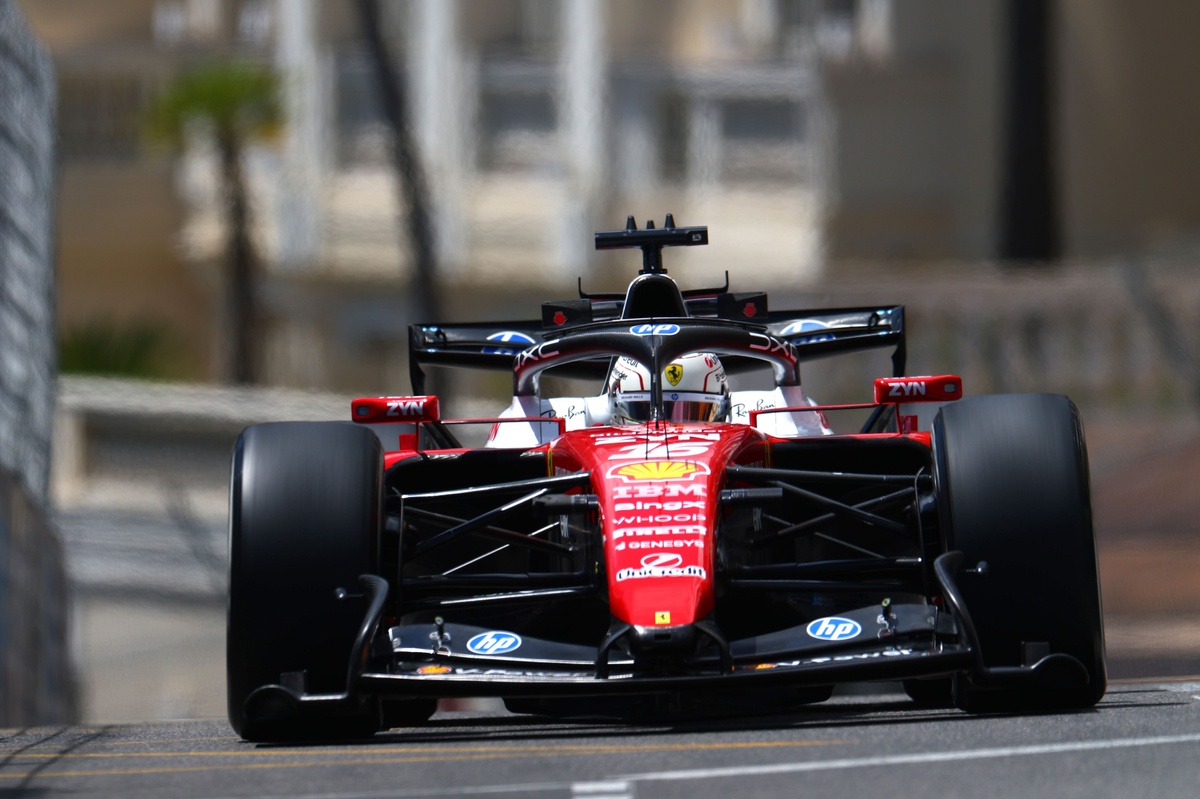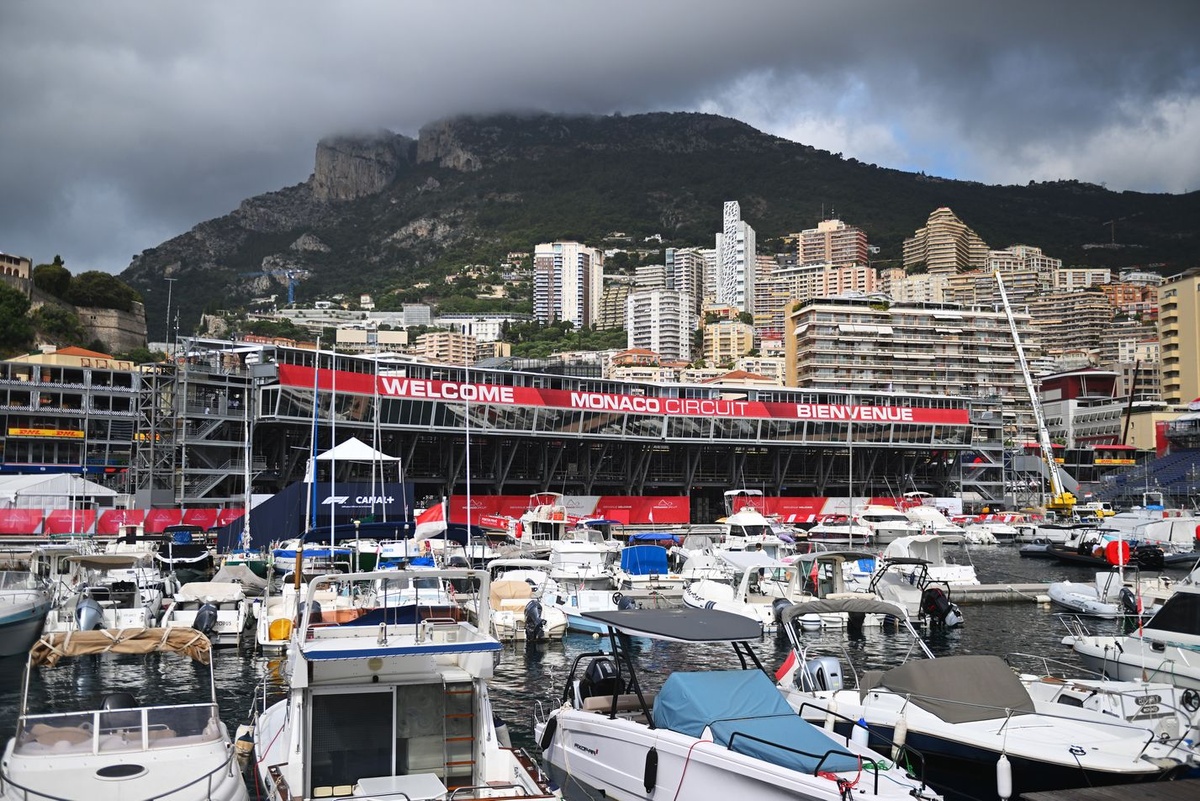



The walls of Monaco bite back, but Fernando Alonso's recent shunt wasn't just a typical street circuit misstep; it was a blaring alarm for Aston Martin F1's deep-seated driveability crisis. The veteran driver's Monaco Grand Prix practice crash underscored persistent issues with the AMR26, prompting a stark admission from team ambassador Pedro de la Rosa.
- Fernando Alonso experienced a rear-locking incident during Monaco Grand Prix practice, crashing his Aston Martin.
- This incident followed Alonso's repeated complaints about "random downshifts" causing unpredictable car behaviour.
- Aston Martin ambassador Pedro de la Rosa confirmed the car's general unpredictability, linking it to wider powertrain and gearbox challenges.
- De la Rosa bluntly stated that the AMR26 is "too difficult to drive," indicating a fundamental struggle for the Silverstone squad.
Alonso's Monaco Scare: A Symptom, Not the Cause
Fernando Alonso found himself briefly in the Monaco barriers during FP1, a moment that sent a chill through the Aston Martin garage. While the damage was minimal – just a broken front wing endplate – the incident itself was highly significant. It came barely 24 hours after Alonso had voiced serious concerns about "random downshifts" creating rear-locking moments, warning of immediate consequences on the unforgiving streets of Monte Carlo.
Team ambassador Pedro de la Rosa was quick to address the media following the crash. He couldn't confirm the precise trigger without reviewing telemetry, but he acknowledged the "massive rear locking issue." De la Rosa praised Alonso's quick reflexes, noting the Spaniard expertly managed to avoid a full spin, minimizing the damage.
The Ghost in the Machine: Decoding "Random Downshifts"
The "random downshifts" aren't an isolated software glitch. This is a complex, gearbox-related problem deeply intertwined with the wider power unit system. Aston Martin's transition from Mercedes customer engines to Honda works powertrains, coupled with their decision to produce their own gearboxes, has introduced a new layer of technical challenge. The team is navigating a steep learning curve, aiming to integrate these critical components seamlessly.
This intricate dance between engine and transmission is proving difficult to master. The unexpected shifts contribute directly to the unpredictable behaviour of the AMR26, especially under braking. It's a critical area where driver confidence is paramount, particularly on a track like Monaco.
Beyond the Crash: Aston Martin's F1 Driveability Dilemma
De la Rosa clarified that Alonso's specific Monaco incident, regardless of its precise trigger, is a manifestation of a much broader issue plaguing the Aston Martin F1 team. He described it as a systemic problem affecting the car's overall driveability and predictability under heavy braking. The downshift sequence directly impacts the brake balance, which then exacerbates the unpredictability further.
The new powertrain regulations have intensified the challenge for teams to deliver consistent torque during downshifts. Drivers are strategically opting for shorter gears in apexes to boost battery recharge, paradoxically making the car even more volatile if the downshifting process isn't flawlessly smooth. This delicate balance is where Aston Martin is currently struggling to find its footing.
"Too Difficult to Drive": A Stark Admission
In a candid moment, Pedro de la Rosa cut straight to the core of the problem. He dismissed the specifics of whether Alonso's crash was "braking, locking or downshifting first." His ultimate conclusion was blunt and unequivocal: "The car is still too difficult to drive, so we still have to work a lot more."
This admission highlights the formidable task ahead for Aston Martin. It's not about fine-tuning; it's about fundamentally taming a beast that's proving incredibly challenging to control at the limit. The team's engineers are undoubtedly working overtime to unravel these complex issues and deliver a more stable and predictable AMR26 for their star driver.