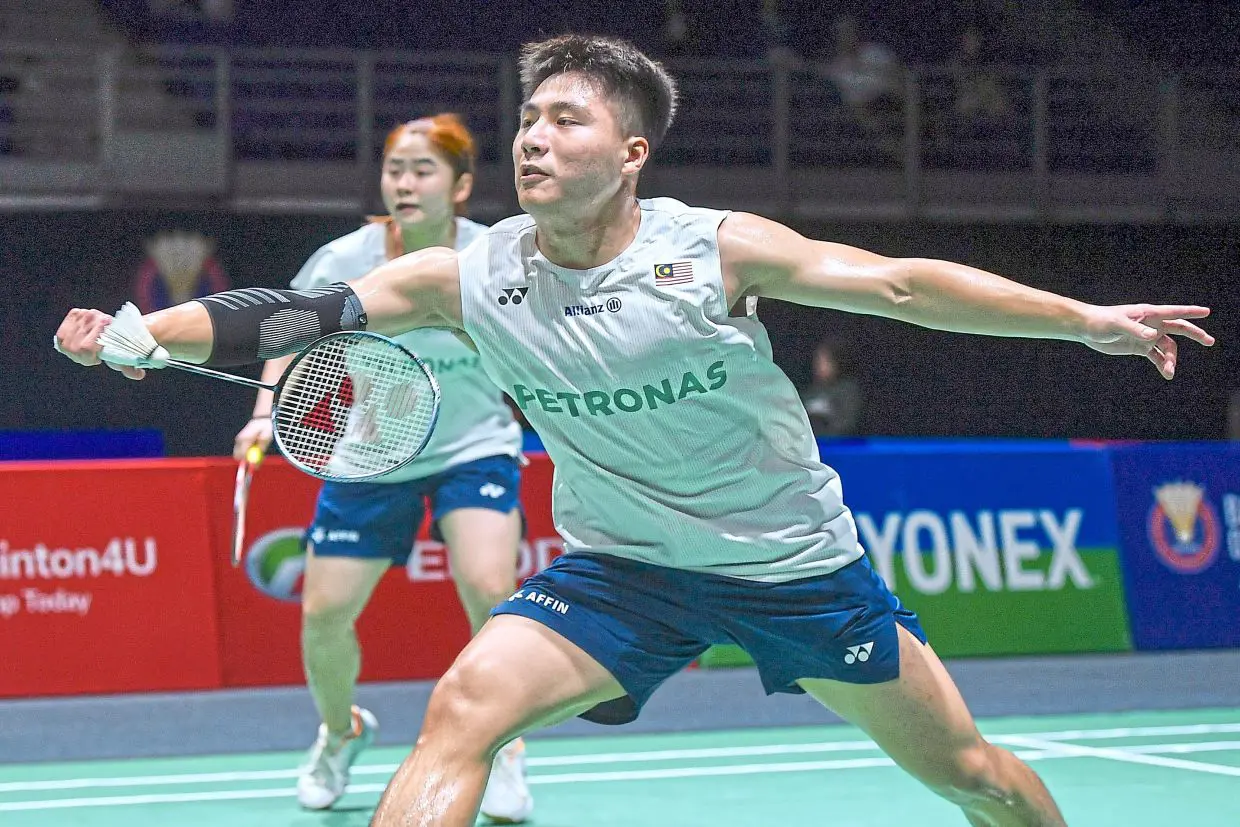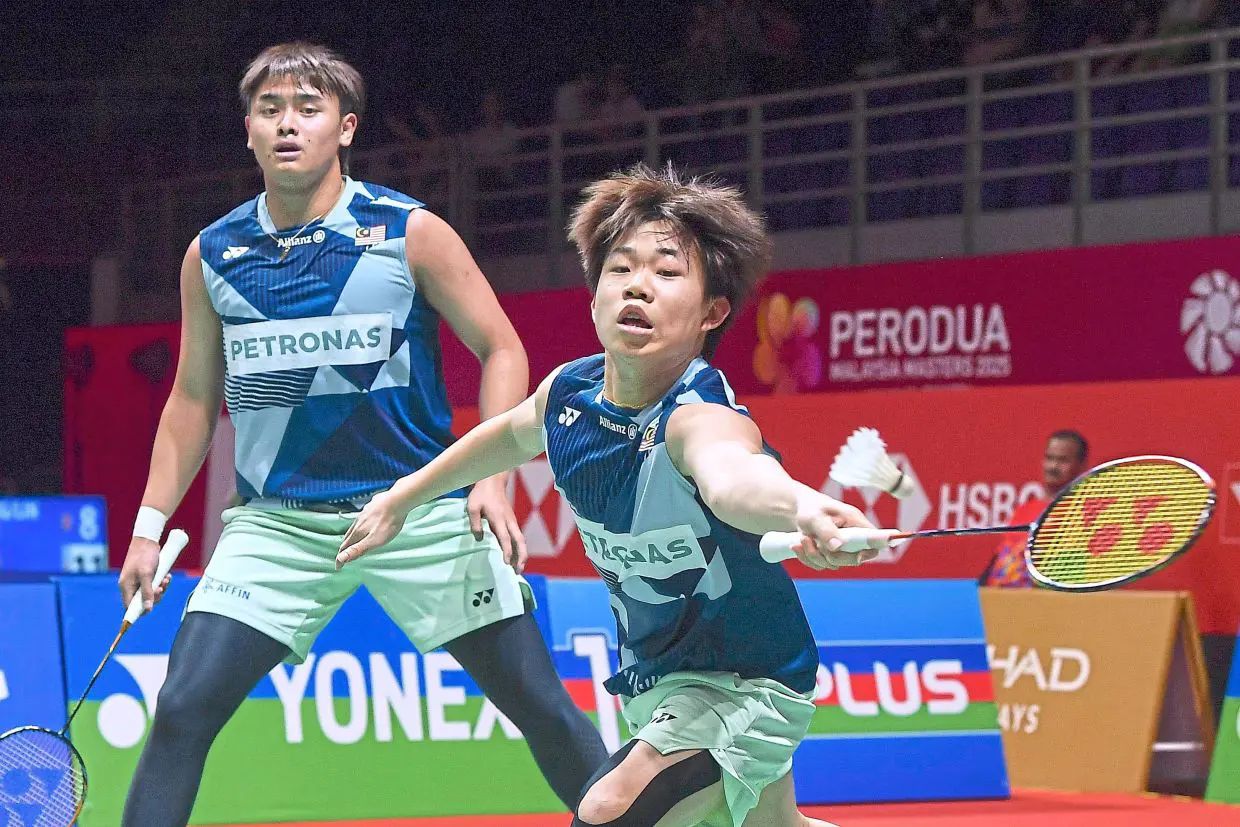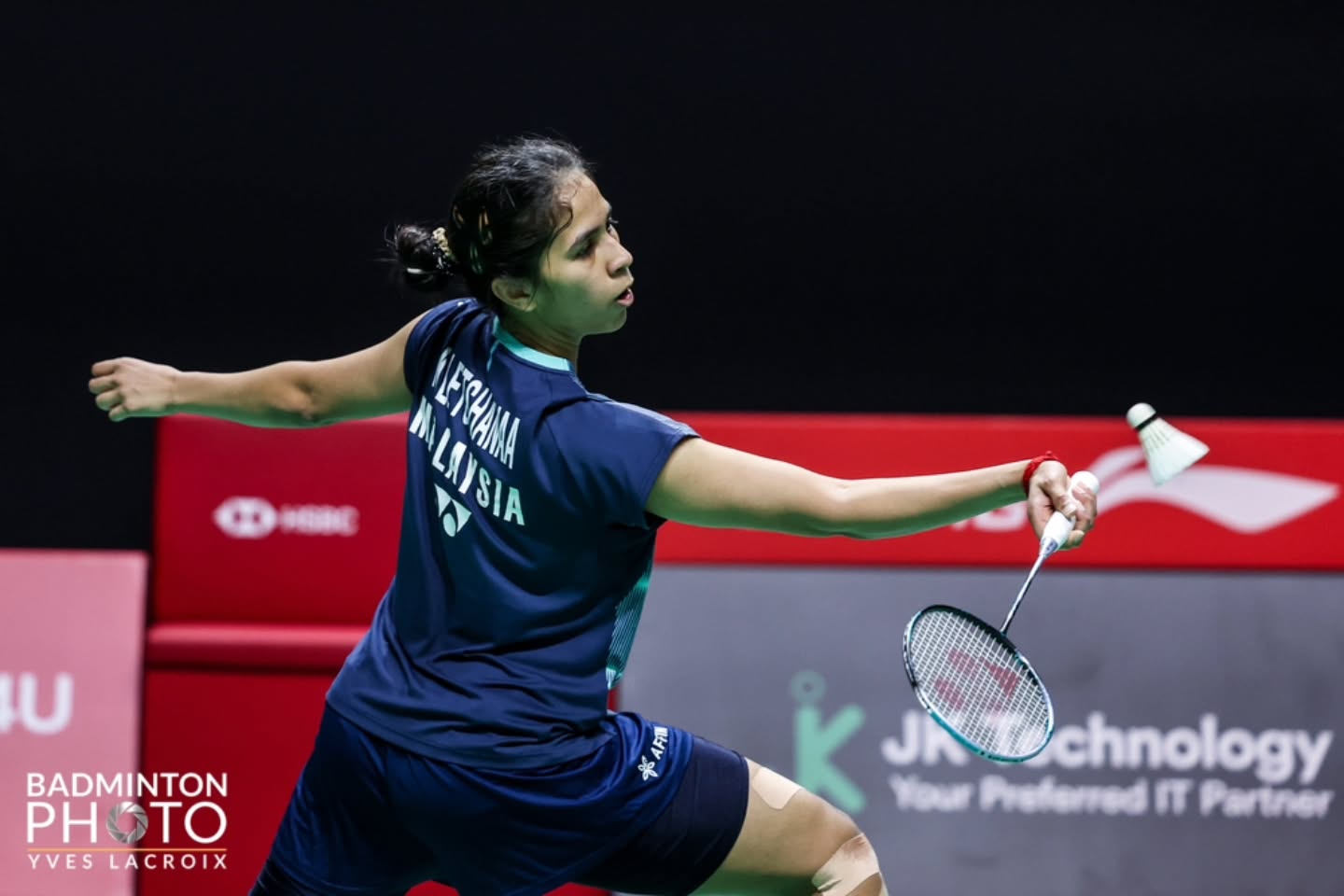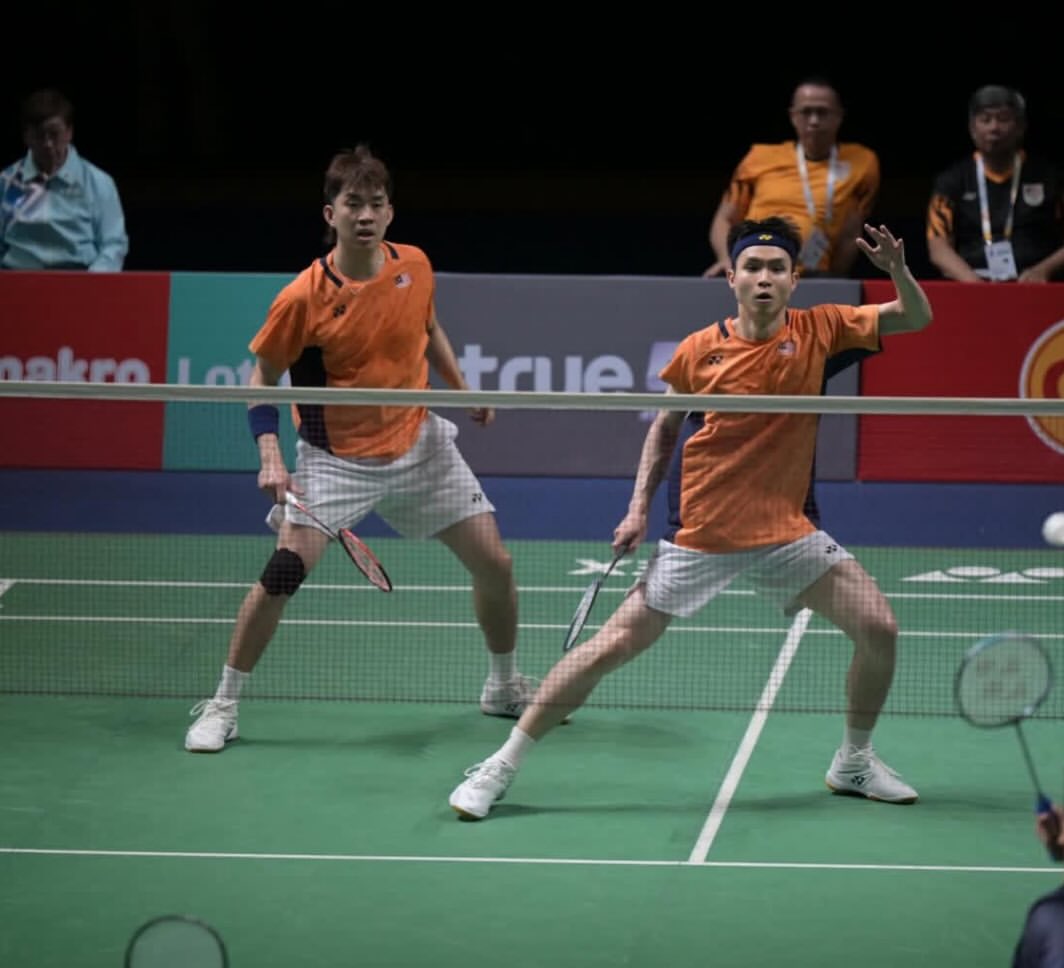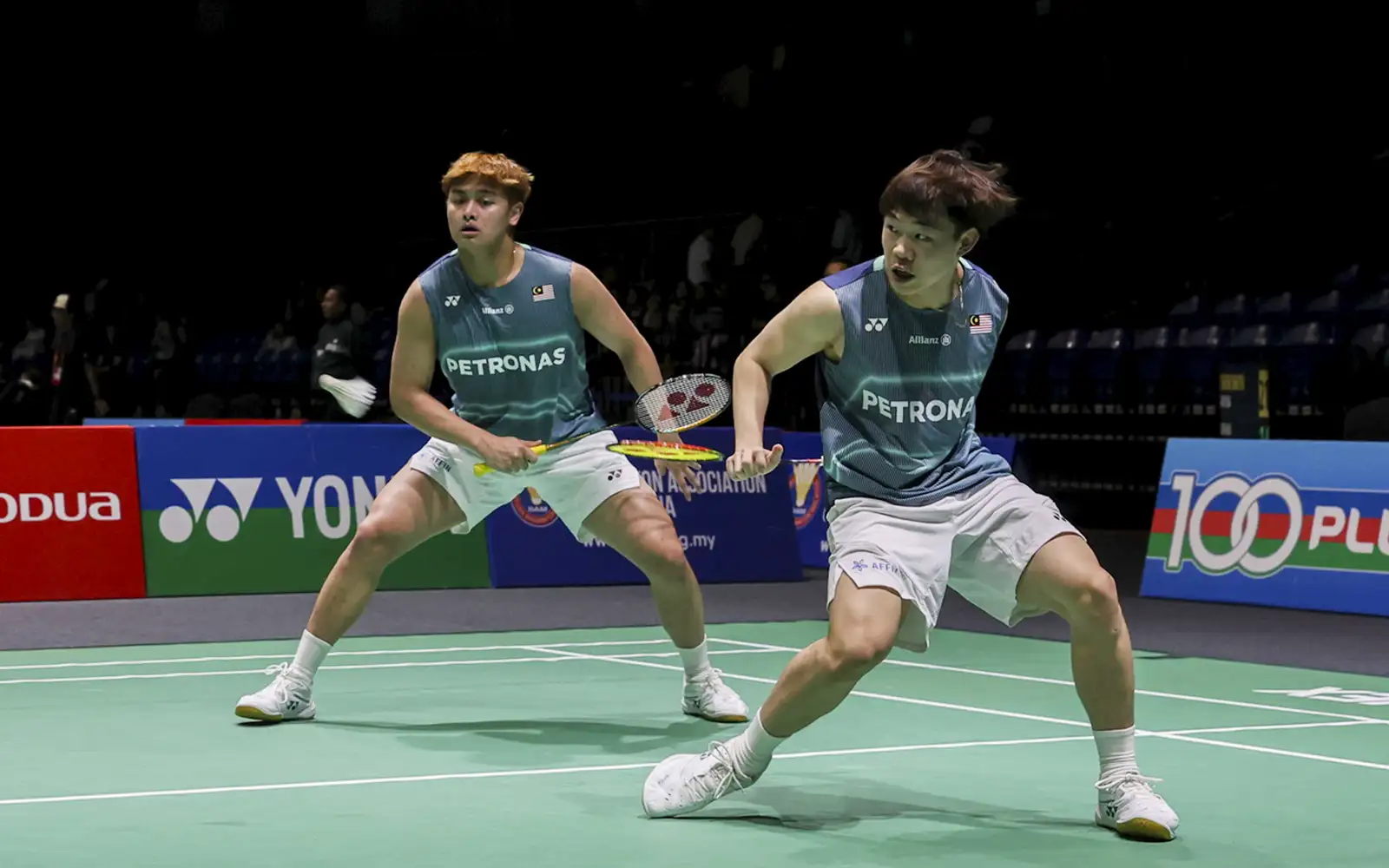
A seismic shift is about to redefine the very essence of badminton. The Badminton World Federation (BWF) has officially ratified a dramatic 15-point scoring system, set to ignite the courts from January and climax at the 2028 Los Angeles Olympics. This isn't just a tweak; it's a strategic overhaul designed to inject more pace, more drama, and possibly, more career longevity for some of the sport's titans.
Key Points:
- The BWF introduces a new 15-point scoring system, effective January.
- Matches will be best-of-three, with games won by reaching 15 points.
- Aims include faster, more captivating matches and reduced physical strain on athletes.
- The change sparks debate among elite players, particularly concerning its impact on tactics and player careers.
The New Era Dawns: BWF's Bold Move
The game is changing. Starting January, badminton will transition from the traditional 21-point format to an accelerated 15-point system for each game, played under a best-of-three match structure. This radical alteration, greenlit by the Badminton World Federation (BWF), aims to revolutionize the sport, making it more appealing to a global audience.
The BWF cites several compelling reasons for the switch. Chief among them are the desires for shorter, more dynamic matches that captivate viewers. This also promises reduced physical demands on players and offers invaluable scheduling flexibility for broadcasters and event organizers, especially looking ahead to the grand stage of the 2028 Los Angeles Olympics.
A Shorter Game, A Sharper Edge?
While the new system might lessen the overall physical load, it simultaneously cranks up the pressure from the very first serve. China's world champion, Shi Yuqi, acknowledges the reduced physical demand but warns of heightened mental intensity. Players will need to be "more mentally focused and fully engaged from the start," a crucial tactical adjustment for the top tier.
This means every point becomes exponentially more critical. There will be less room for error or slow starts, demanding immediate peak performance and unwavering concentration throughout the entire match. The margins for comeback will shrink, forcing a more aggressive and precise style of play.
Youth vs. Experience: Who Benefits Most?
The introduction of the 15-point game has undeniably created a generational divide among elite players. Zheng Siwei, the Paris 2024 mixed doubles gold medalist, believes that younger, established stars might find this reform less appealing. Their inherent physical advantage, allowing them to grind out longer matches, could be somewhat nullified.
Conversely, older players might just find a new lease on their careers. Zheng Siwei suggests that the shorter games could "extend their careers," hinting at a strategic shift that favors experience and efficient play over sheer stamina. This could lead to a fascinating period where veterans defy expectations.
Legends Ponder Comebacks & New Tactics
The potential for career resurgence isn't just speculation; it's becoming a talking point among legends. Former world No.1 Lee Chong Wei, a figure synonymous with badminton excellence, humorously mused about a potential return. He quipped, "I wouldn't be surprised if 36-year-old Chou Tien-chen keeps playing or even if I end up coming back to the court myself."
Hong Kong's mixed doubles star, Tse Ying Suet, aged 34, embodies this dilemma. Having considered retirement after the Asian Games, she now finds the 15-point format "tempting" and admits her coach has a strong new argument to persuade her to continue. This change will undoubtedly birth "new styles and tactics," potentially leading to "unexpected champions" emerging from the ranks.
What This Means for the Fan Experience
For the fans, this BWF decision promises an electrifying spectacle. Imagine fewer lulls, more intense rallies, and quicker resolutions to thrilling encounters. The sport's move towards a faster format aligns perfectly with modern viewing habits, offering high-impact action in a more digestible timeframe.
This strategic pivot isn't just about the players; it's a calculated move to enhance badminton's global appeal. By ensuring "shorter and more interesting matches," the BWF is actively working to elevate the fan experience, ensuring every serve and smash carries immense weight and excitement. The future of badminton promises to be nothing short of captivating.