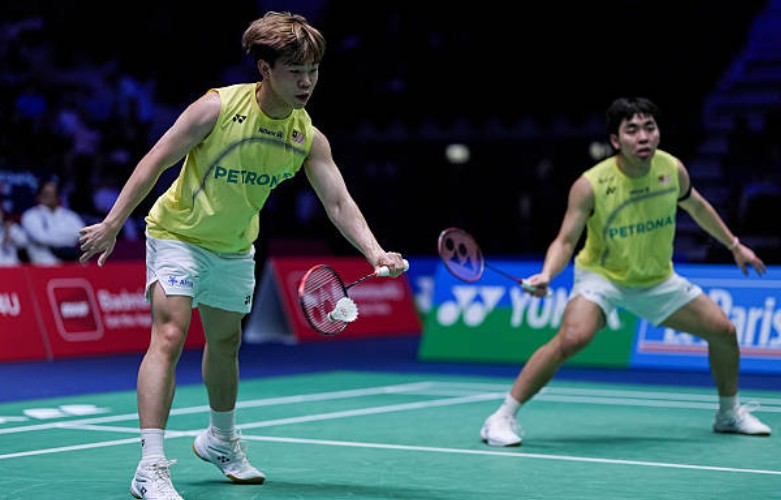



It's official: badminton is on the cusp of a radical transformation, and the sport's biggest stars are already lining up on opposing sides of the net. Come January, the familiar 21-point scoring system will give way to a rapid-fire 15-point format, promising a new era of explosive rallies and relentless pressure. But while some, like Malaysia's electrifying Lee Zii Jia, are embracing the change with open arms, others fear it could strip away the very essence of competitive drama.
Key Points on Badminton's New Scoring System
- The 15-point scoring system officially replaces the 21-point format starting January.
- The Malaysia Open (Jan 21-31) will be the first World Tour event to feature the new rules.
- Lee Zii Jia is a vocal supporter, believing it will favor aggressive, attack-minded players.
- Top players like Anders Antonsen and Toma Junior Popov express significant concerns, fearing a loss of match intensity and excitement.
The New Era of Badminton: A Bold Shift
The Badminton World Federation (BWF) is ushering in a significant shake-up, and the world will get its first taste of the new 15-point system at the Malaysia Open. This isn't just a minor tweak; it's a fundamental shift designed to accelerate game pace and potentially reshape player strategies. The question on every fan's mind: will it deliver more thrills or dilute the spectacle?
Zii Jia's Calculated Optimism
For Lee Zii Jia, the change couldn't come soon enough. The world No. 42 has openly expressed his eagerness for the new format, telling Badminton Europe, "I'm looking forward to it." This excitement isn't unfounded. Many analysts believe the shorter game will heavily favor players with an aggressive, attack-first mentality – a style that perfectly describes Zii Jia.
Former international Datuk Rashid Sidek echoes this sentiment, boldly predicting a major resurgence for Zii Jia. Rashid believes Zii Jia's potent smash and relentless attacking prowess are tailor-made for the faster pace, positioning him to shake up the elite ranks and significantly boost his Olympic qualification chances. For a player looking to reclaim his dominant form, the 15-point system might just be the catalyst he needs.
Is the "Roller Coaster" Ride Over? The Skeptics Speak Out
However, not everyone is buying into the hype. Anders Antonsen, Lee Zii Jia's close friend and world No. 2, leads the charge of skepticism. Antonsen fears the new system will eradicate the "roller-coaster rides" and intense, prolonged battles that define classic badminton matches. "I like a tough match, a long match," he stated, lamenting the potential loss of that dramatic ebb and flow.
His concerns are shared across the European circuit. French world No. 13 Toma Junior Popov was particularly scathing after experiencing the format in the French League. He branded it a "disaster," describing matches as mere "15-minute" affairs where players barely break a sweat. Former world No. 1 Shi Yu Qi from China also weighed in, suggesting the shorter format gives an unfair advantage to younger players due to faster, less physically demanding matches. Five-time European women's doubles champions Stefani-Gabriela Stoeva simply stated, "It will be very quick. So, we are not big fans."
Can a Time Clock Solve Everything?
Interestingly, some players believe the BWF might be addressing the wrong problem. Denmark's world No. 61 Ditlev Holm argues that the concern over lengthy matches under the 21-point system had already been effectively mitigated by the introduction of the 25-second time clock. This innovation has significantly reduced time-wasting, keeping the action flowing. Holm feels the current physical, longer matches are "great," suggesting the 15-point system is an unnecessary intervention.
Adapting to the Future: The Verdict is Out
Amidst the contrasting opinions, former world champion P. V. Sindhu of India offers a pragmatic perspective. While acknowledging the differences the new system will bring, she simply states, "everybody has to get used to it." Ultimately, adaptability will be key. As the badminton world gears up for this monumental shift, one thing is certain: the sport is about to get a whole lot faster, and only time will tell if it's for better or worse.