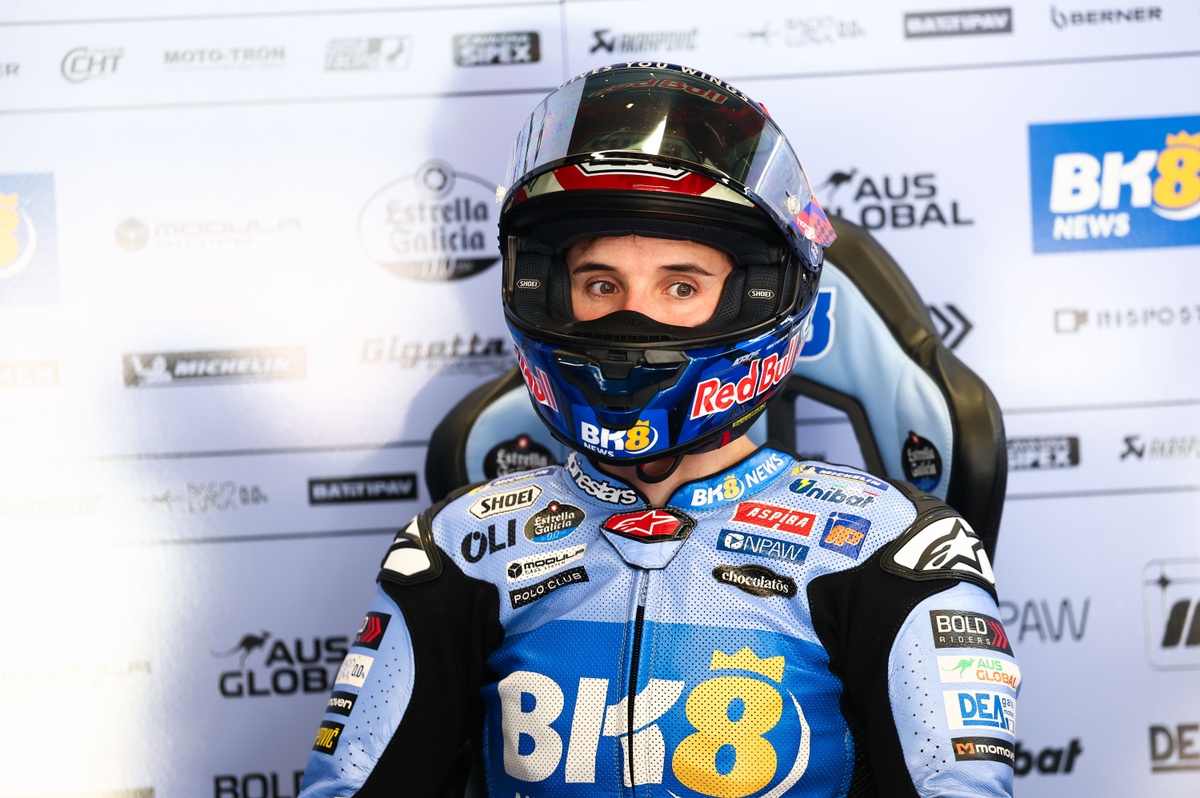
The Ducati Dilemma: Bagnaia Benched for Brno
The decision to sideline top riders like Francesco Bagnaia from crucial early testing of the 2027 MotoGP Pirelli tyres and 850cc bikes is a monumental misstep that could jeopardize future development. This isn't just about one rider missing out; it's about denying the sport vital feedback at a critical juncture.
Key Points on the 2027 MotoGP Testing Controversy:
- Francesco Bagnaia, a two-time champion, is excluded from early Brno testing of 2027 MotoGP prototypes.
- His exclusion stems from an impending move to a rival manufacturer (Aprilia is strongly rumored).
- While other manufacturers like Honda and KTM have allowed future-moving riders to test, Ducati has maintained its firm stance.
- Bagnaia warns that waiting until December to test the new Pirelli tyres is "not the best idea" for critical development.
The MotoGP paddock is buzzing, but not everyone will be on track when the new 2027 850cc machines and Pirelli tyres make their debut at the Brno test. Reigning champion Francesco Bagnaia finds himself on the sidelines, a consequence of his anticipated switch to a rival manufacturer. This decision by Ducati has sparked considerable debate.
While Bagnaia acknowledges the rationale behind restricting riders from testing new-spec machinery when they're moving teams, his concern intensifies around the new Pirelli tyre development. The Brno test is a prime opportunity for initial feedback, an opportunity he – and others in similar positions – will miss.
A Stark Contrast: Honda and KTM Open Doors
Interestingly, not all manufacturers are playing by the same strict rules. Honda has demonstrated a more flexible approach, granting Joan Mir and Luca Marini permission to test their 2027 prototypes, despite their own impending moves. Similarly, KTM is now expected to greenlight Pedro Acosta for similar track time. This creates a significant disparity, putting Ducati and Bagnaia in a unique, and arguably disadvantageous, position regarding collective development.
The Pirelli Problem: A Race Against the Calendar
The real sticking point for Bagnaia isn't the 850cc bikes themselves, but the timeline for the 2027 Pirelli tyre evaluation. Many top riders will only get their first taste of the new rubber at the Valencia test on December 1st. This late date, coupled with the shorter daylight hours and colder conditions typical of a December test, significantly curtails effective evaluation time.
Limited Opportunities, Compromised Feedback
"It's not the best idea," Bagnaia stated, highlighting the challenge of providing meaningful feedback to Pirelli under such constraints. A brief, cold-weather test offers little chance to truly understand the new tyre characteristics. This delay could have long-term implications for the foundational development of the 2027 MotoGP season, potentially leaving Pirelli with less comprehensive data from the sport's elite.
A Missed Opportunity for Collective Development
Bagnaia proposed a pragmatic solution: allowing riders in his situation to test the new Pirelli tyres on their current MotoGP bikes. This compromise would allow crucial data collection for the tyre manufacturer without giving rival teams an early peek at future machinery. However, this sensible suggestion appears to have been dismissed.
The exclusion of experienced voices like Bagnaia from early tyre development isn't just a personal frustration; it’s a collective missed opportunity. The 2027 MotoGP era, with its reduced engine capacity and new tyre supplier, demands as much early input as possible to ensure a smooth transition and competitive racing from the outset. Denying riders this chance could mean a bumpy start to an eagerly anticipated new chapter in MotoGP.