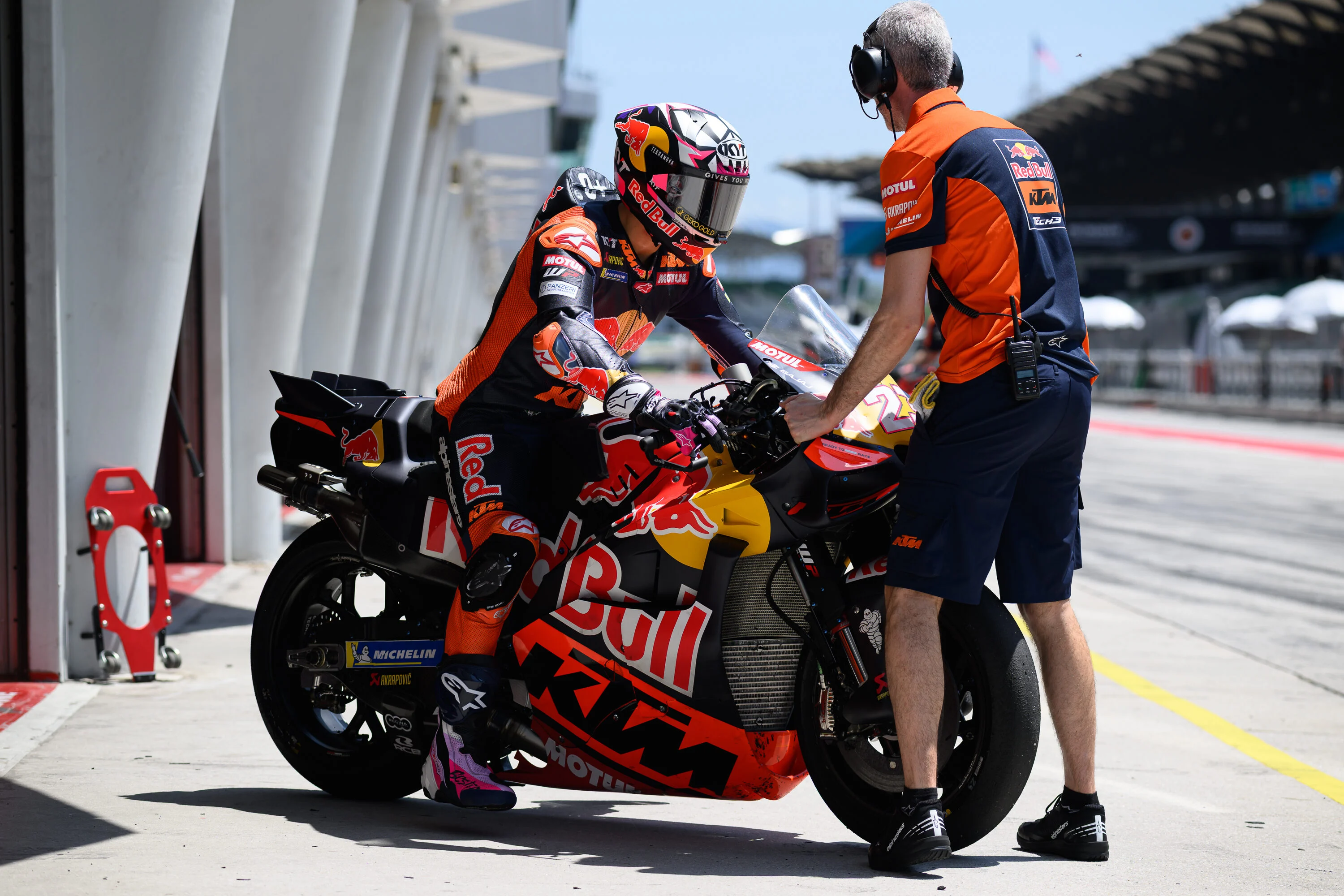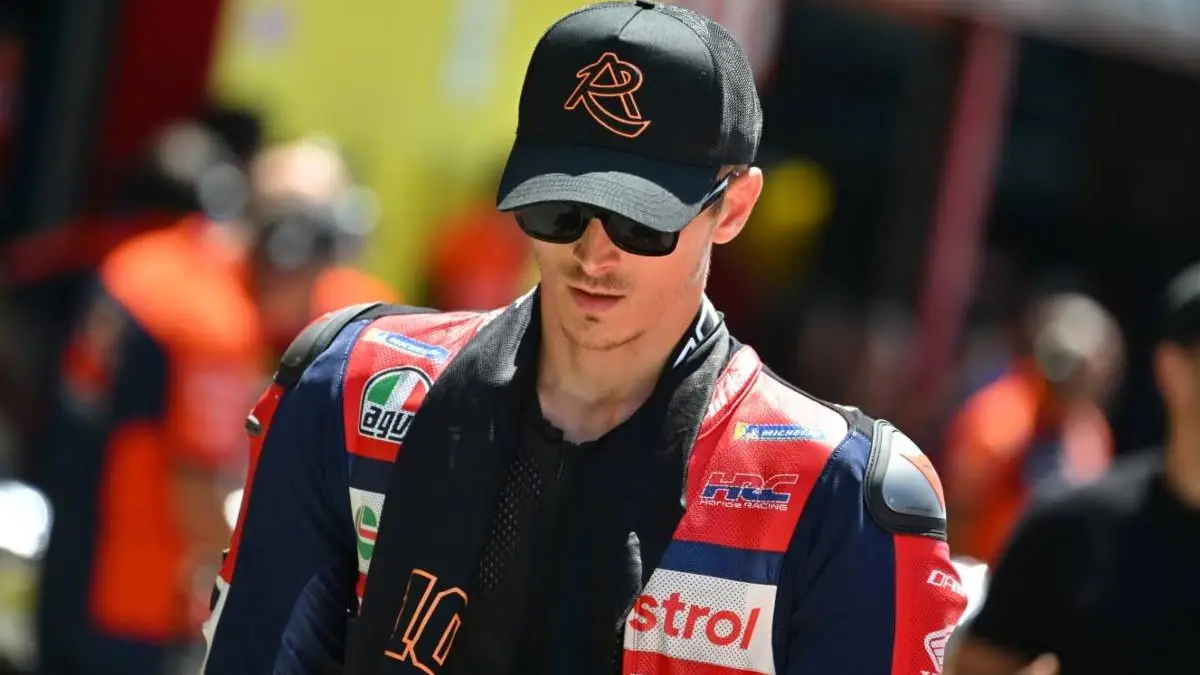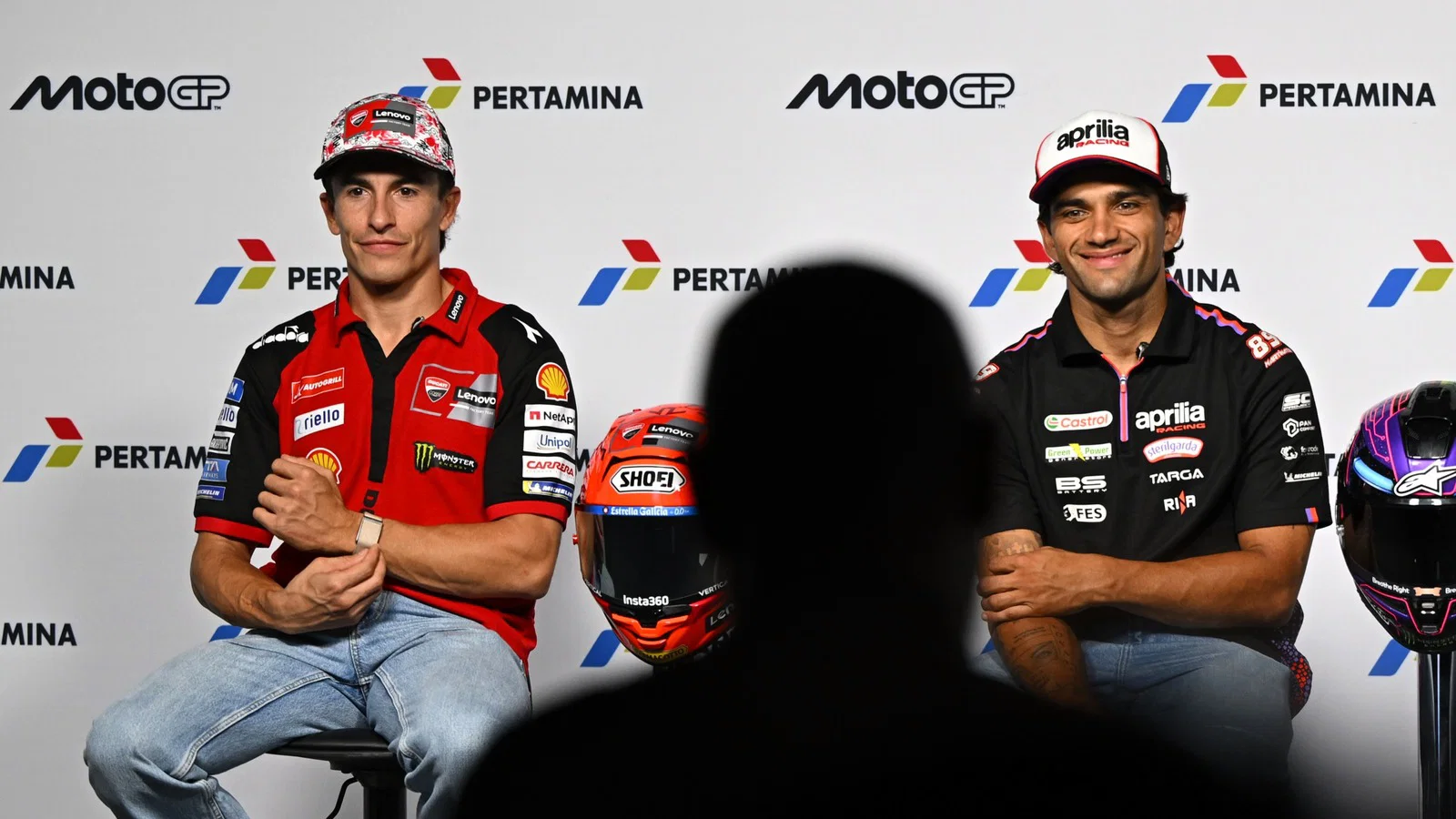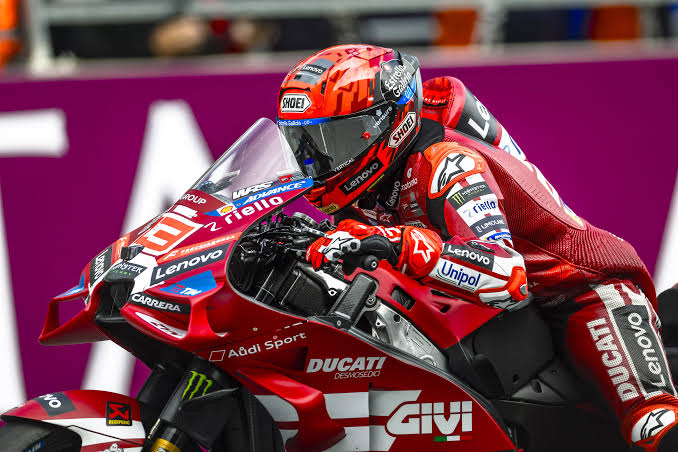


The gloves are off in MotoGP's crucial safety debate, with reigning champion Francesco Bagnaia delivering a searing critique of proposed changes from series boss Carlos Ezpeleta. After the harrowing incidents at the Catalan Grand Prix, the urgency for solutions is palpable, but Bagnaia believes the current suggestions miss the mark entirely.
Key Points
- Francesco Bagnaia openly dismisses MotoGP's initial safety proposals, including grid modifications and banning ride height devices.
- The Ducati champion asserts that the sheer volume of 44 race starts annually and the ultra-competitive grid are the core issues.
- Bagnaia emphasizes the need for a unified rider front within the Safety Commission to drive effective change.
Bagnaia's Blunt Assessment: Missing the Mark?
The discussion ignited following the accident-marred Catalan Grand Prix, which saw Alex Marquez and Johann Zarco sustain injuries. Carlos Ezpeleta, MotoGP’s chief sporting officer, quickly outlined four areas for immediate review. However, Bagnaia’s response was swift and unequivocal.
Why Grid Adjustments Won't Cut It
Speaking after a challenging sprint race at the Mugello Grand Prix, Bagnaia flatly rejected the idea of wider grid spacing or reducing rows to two riders. "I don't think [adding space between the rows] is a solution," he stated, urging officials to consider alternative, more impactful strategies.
The Holeshot Device Dilemma
Another proposal under consideration was the removal of holeshot devices, aimed at slowing down starts. Yet, Bagnaia remains unconvinced. He argued, "For me, removing the rear and front device will not make big changes," highlighting a disconnect between rider experience and administrative thinking.
Root Causes: More Races, Tighter Battles
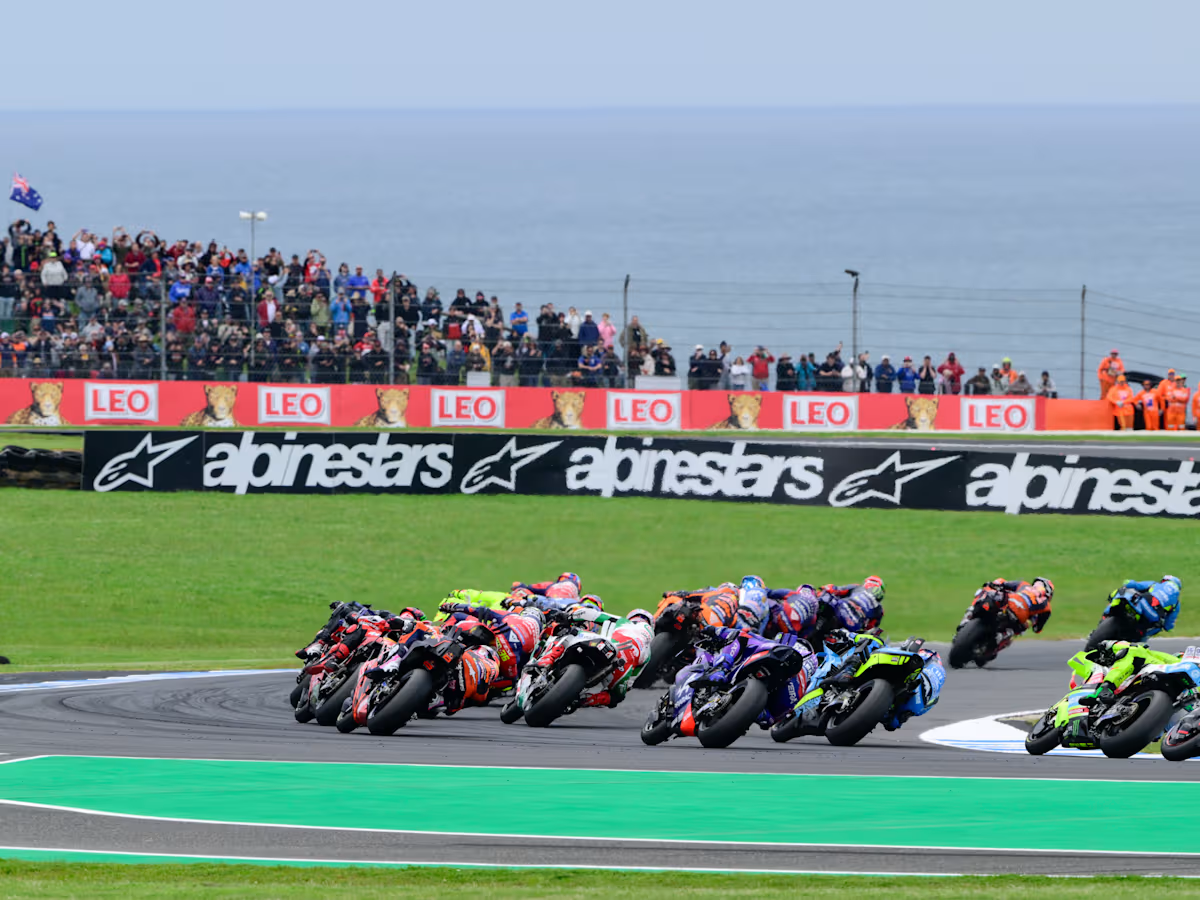
The Ducati star redirected the conversation towards what he perceives as the genuine culprits behind the surge in crashes. Bagnaia pointed directly to the escalating number of race starts per season, which now totals a staggering 44. Each start presents a high-risk scenario, naturally increasing the chances of incidents.
Furthermore, Bagnaia underscored the current era of unparalleled competition. Unlike previous decades where only a handful of bikes were truly dominant, today's MotoGP grid features a highly compressed field where almost every rider is vying for top positions. This intensity, while thrilling for fans, creates incredibly tight racing conditions, particularly in the opening laps.
Riders Unite? The Call for a Stronger Voice
As one of the most vocal advocates for rider safety, Bagnaia provided an update on the Safety Commission meeting at Mugello. A significant 12 competitors attended, a notable improvement from typical turnouts, especially in the wake of the Barcelona incidents.
While this increased participation signals a positive step, Bagnaia stressed that true collective power requires full engagement. "You need to have everyone [there]," he asserted, underlining the importance of a unified rider voice to ensure that safety measures genuinely address the concerns on the track, not just in the boardroom. The path to a safer MotoGP will clearly require more than just quick fixes.