

Goiania's Track Trouble: A Hard Lesson Learned
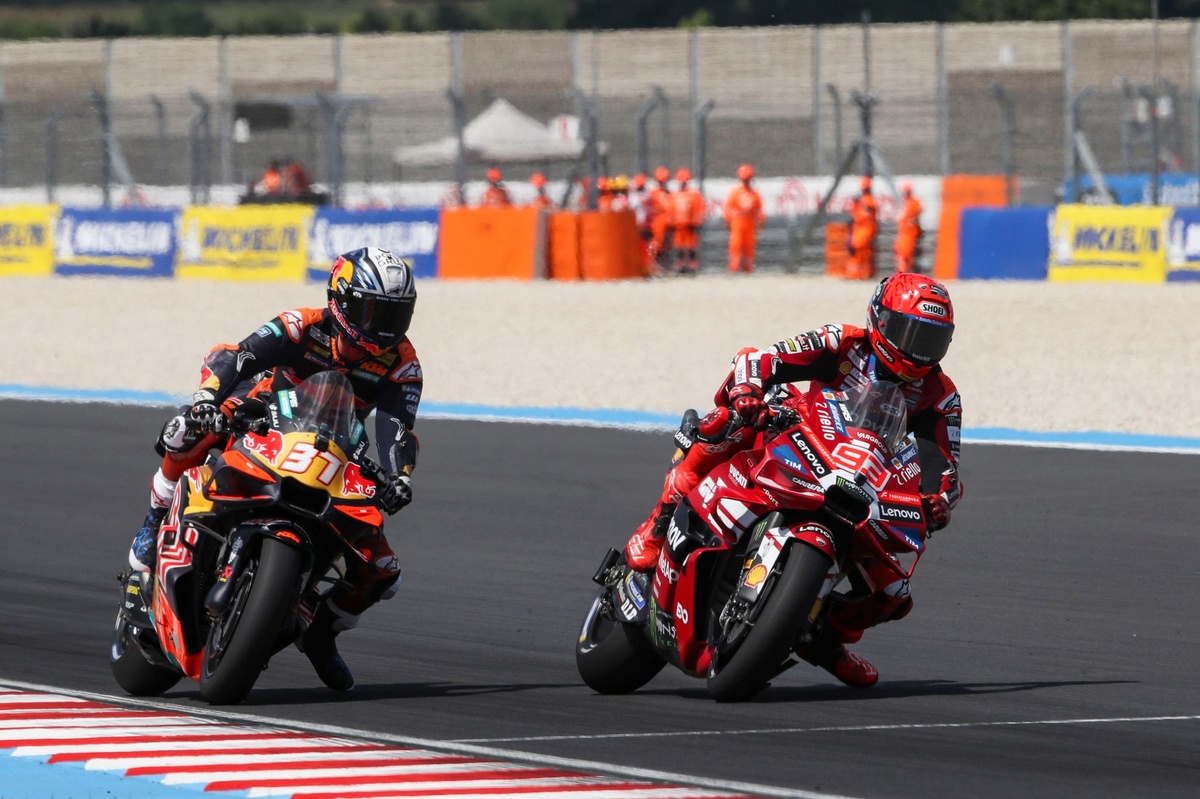
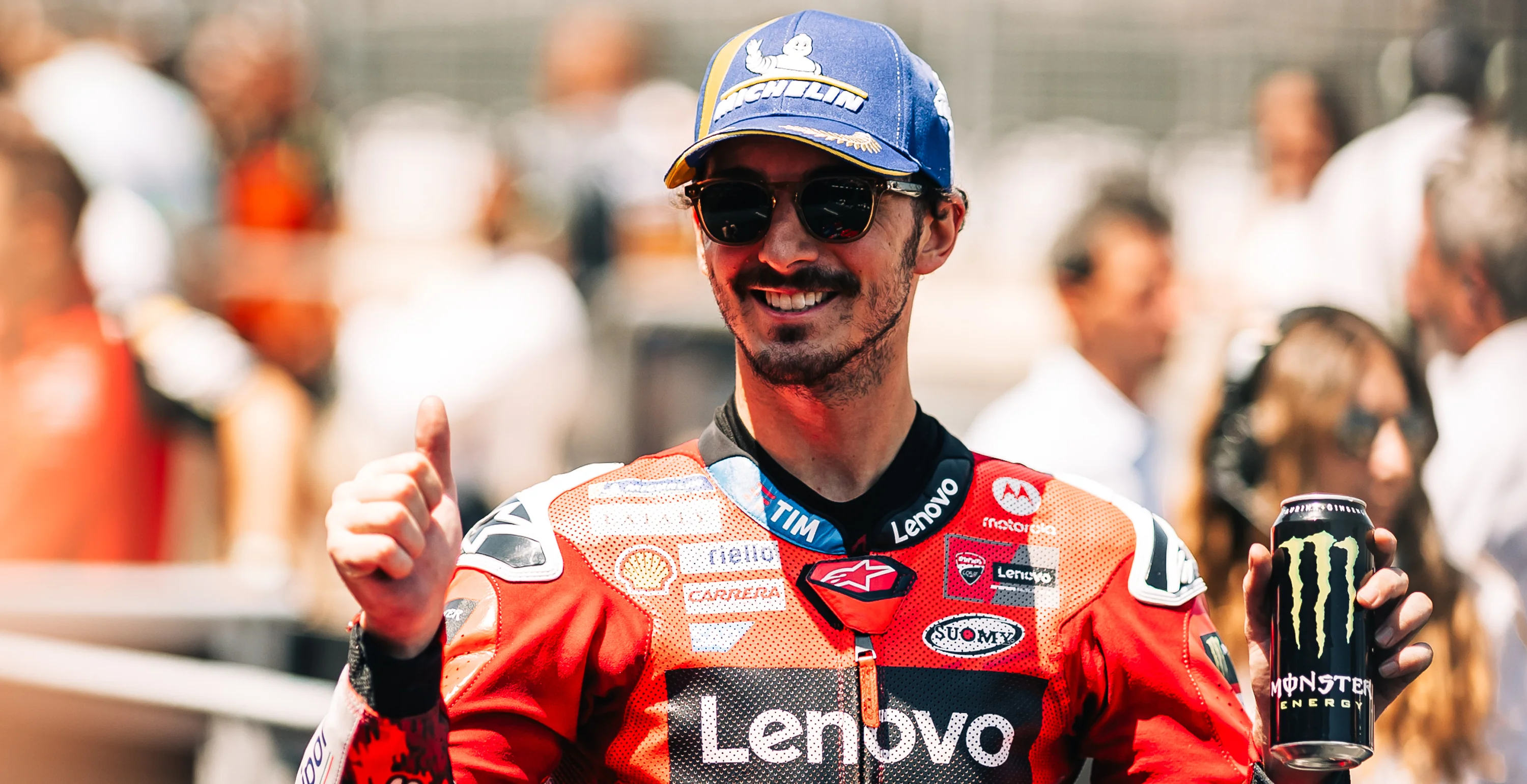
The recent Brazilian Grand Prix at the Goiania circuit served as a harsh wake-up call, proving MotoGP cannot gamble with unprepared venues. Reigning two-time world champion Francesco Bagnaia is now championing a crucial procedural shift: mandatory pre-race testing at every new circuit. The sport's integrity and, more importantly, rider safety depend on it.
Key Takeaways from the Goiania Debacle:
- Francesco Bagnaia advocates for mandatory pre-race testing at all new MotoGP venues.
- The Goiania circuit experienced severe track surface issues, impacting the recent Brazilian GP.
- Bagnaia highlights that testing with MotoGP machinery, even by test riders, is critical for identifying potential problems.
- Upcoming “new” circuits like Adelaide and Buenos Aires underscore the urgency of this revised protocol.
The championship’s return to Brazil last weekend quickly descended into an embarrassing spectacle due to significant problems with the revamped track surface. This incident has ignited a fiery debate within the paddock, with **Bagnaia** leading the calls for a more rigorous vetting process for all future race locations.
“For the future, I think we absolutely need to do a test before [racing at a new venue],” the **Ducati** factory rider stated emphatically. He stressed that arriving blind at a track, as seen with **India** in 2023 or the recent **Goiania** event, creates unnecessary and dangerous challenges for everyone involved.
The Mandalika Model: A Blueprint for Success
How Early Testing Saved the Race
Bagnaia vividly recalled the positive impact of pre-race testing ahead of the inaugural **Mandalika** Grand Prix in **2022**. That crucial session allowed teams to uncover and address critical issues, ensuring a smoother race weekend.
“In **Indonesia**, we had a test and we understood that you can find the problems by riding there,” he explained. This foresight enabled adjustments to tire compounds and track conditions, fundamentally altering the outcome for the better. It's a clear example of how proactive testing enhances safety and competition.
Who Should Test? Bagnaia's Pragmatic Approach
While testing is paramount, **Bagnaia** believes race riders aren't strictly necessary for these initial evaluations. He advocates for dedicated test riders, equipped with **MotoGP** machinery, to conduct these vital inspections.
“For me, the test riders are enough,” he confirmed. “If you have race riders riding on the tracks, they go on the limit. Not all test riders go on the limit, but it’s surely better than going directly to the race.” Their role would be to identify fundamental flaws, not set lap records, making them perfectly suited for the task.
Charting a Safer Course: Future Circuits on the Horizon
The discussions in Texas, following the **Brazilian GP** debacle, are timely. **MotoGP** plans to visit two additional