
F1's Speed Dilemma After Bearman's Suzuka Scare
The 2026 F1 regulations are already causing heart-stopping moments, and Oliver Bearman's brutal crash at Suzuka is a stark, 50G reminder of the dangers posed by extreme closing speeds. This wasn't just an accident; it was a flashing red light for the sport's future.
Key Points:
- Oliver Bearman suffered a 50G impact at Suzuka after a massive speed differential with Franco Colapinto.
- The incident highlights the perilous closing speeds caused by diverse battery management strategies under the forthcoming 2026 F1 regulations.
- Drivers like Carlos Sainz and Lando Norris are voicing serious safety concerns, demanding action.
- Haas boss Ayao Komatsu warns against “knee-jerk” reactions, advocating for measured, collective solutions.
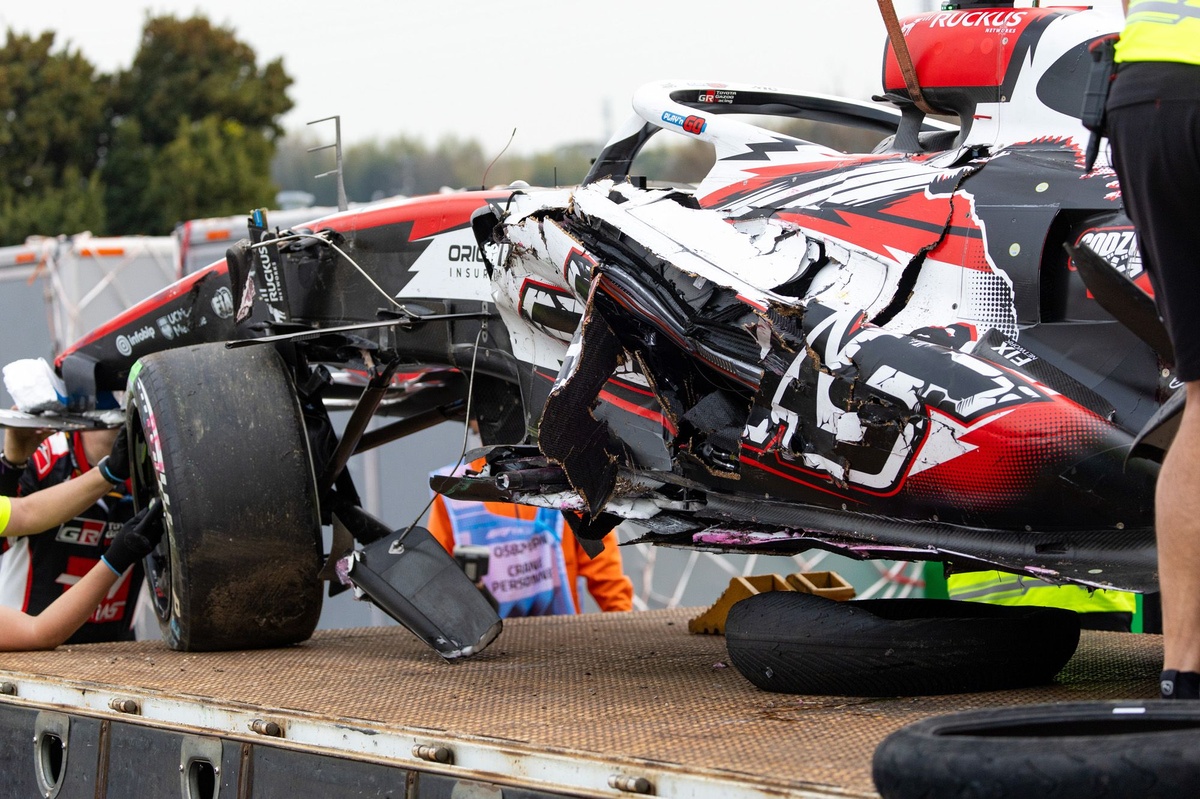
The motorsport world held its breath as the young Haas driver, Oliver Bearman, was forced into evasive action at Suzuka. Trailing Franco Colapinto's Alpine, a sudden 45km/h speed difference saw Bearman veer onto the grass before a bone-jarring impact with the barriers. The crash, registering a 50G force, was a terrifying demonstration of a problem that's been brewing.
This incident wasn't isolated; it immediately intensified the ongoing debate about the 2026 F1 regulations. Specifically, it threw a harsh spotlight on the contentious issue of closing speeds, which have become a significant talking point since pre-season testing.
The Peril of Power Unit Strategies
The crux of the problem lies in the varying battery management strategies employed by drivers. Under the new regulations, with their increased reliance on electrical energy, teams are optimizing power usage differently. While some drivers might be actively harvesting energy, others might be deploying it, creating drastic and unpredictable speed differentials on track.
This means a car that appears to be at a consistent distance can suddenly slow down dramatically, leaving a chasing driver with little time to react. The Bearman-Colapinto incident is a chilling example of how these tactical choices can inadvertently lead to dangerous situations, particularly on high-speed circuits like Suzuka.
Voices From the Paddock: Drivers Demand Action
The fear is palpable within the paddock. Franco Colapinto himself admitted the situation can become “really dangerous.” Fellow competitor Carlos Sainz echoed the sentiment, declaring it was “only a matter of time” before such a collision occurred. Even Lando Norris articulated the inherent vulnerability, stating a driver is at the “mercy” of their power unit's strategy.
These high-profile calls for changes are growing louder, pushing the FIA and F1 to address the issue head-on. The sport has already taken a small step by adjusting the energy recovery limit for qualifying sessions. However, the Suzuka crash underscores that more comprehensive solutions are urgently needed.
Haas Boss Komatsu Calls for Measured Approach
Amidst the escalating concerns, Haas team principal Ayao Komatsu offers a voice of caution and pragmatism. While acknowledging the severity of the situation, he firmly warns against making knee‑jerk reaction changes to the 2026 F1 regulations, arguing that any tweaks must be well considered and not rushed into without understanding the full implications for car performance and championship balance.
Komatsu stressed the importance of collaboration between teams, the FIA, and technical partners to find the right solutions, noting that while the crash highlighted how dangerous current closing speed differentials can be, over‑hasty fixes could later prove detrimental. The governing body has already confirmed a structured review of the rules will take place during the upcoming break before the Miami Grand Prix, with broader discussions planned to address energy management and safety concerns raised by drivers and team principals alike.
Meanwhile, leading voices in the paddock, including Carlos Sainz, have urged the FIA to take decisive action to prevent similar incidents, underscoring that this was an accident many feared was coming under the new energy deployment dynamics.