
The silence is broken! Oliver Bearman has unleashed a fiery verdict on the incident that sent his Haas car into the barriers at the Japanese Grand Prix, unequivocally pointing the finger at rival Franco Colapinto. After weeks of speculation, the young Brit has finally shared his side of the story, shedding light on the dangerous speed differential that led to the terrifying 50G impact at Suzuka.
Key Takeaways from Bearman's Statement
- Oliver Bearman directly attributes his Japanese Grand Prix crash to Franco Colapinto's actions.
- A staggering 50km/h speed differential between the cars was a critical factor.
- Bearman insists Colapinto's late defensive maneuver was "unacceptable" given prior driver briefings.
- Despite a violent 50G impact, Bearman walked away uninjured, advocating for enhanced driver respect and potential FIA rule adjustments.
Bearman Breaks Silence: The Suzuka Collision
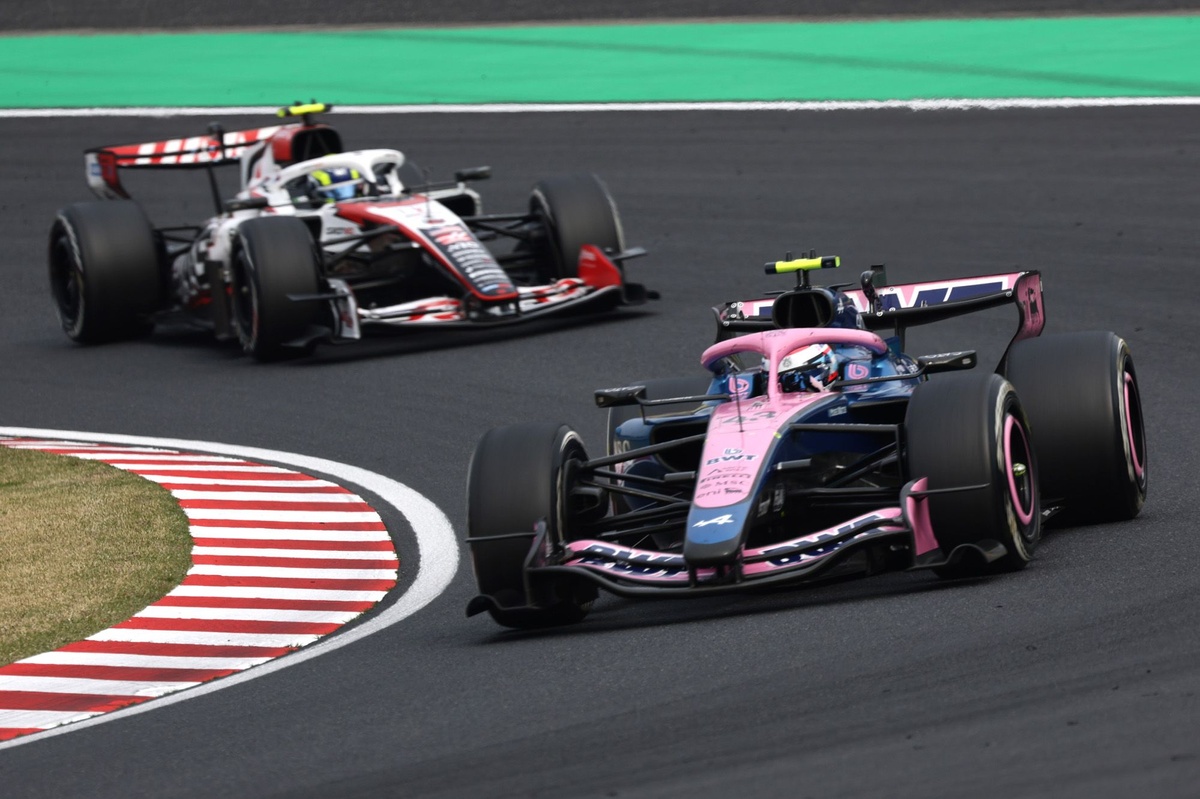
The incident unfolded on lap 22 at Suzuka's challenging sector two. Bearman was closing in rapidly on Colapinto's Alpine, who was actively harvesting energy. This created an alarming 50km/h speed delta, a gap typically seen between a hot lap and a cool-down lap, not two cars battling for position.
As Bearman approached, Colapinto made a defensive move to the left. With such a massive speed difference, even a slight shift by the car ahead becomes a colossal obstacle, forcing Bearman onto the grass and ultimately into the barriers.
A Driver's Blame Game: Why Bearman Points the Finger
Speaking on the Up to Speed podcast, Bearman didn't mince words. He squarely blamed Colapinto, arguing that the Argentine's late defensive action, though minor at normal speeds, was catastrophic under the prevailing conditions. "He didn't leave me enough space," Bearman asserted, adding that he was "lucky not to hit him" directly, which would have resulted in an even worse collision.
This direct accusation stands in stark contrast to Haas Team Principal Ayao Komatsu's earlier assessment, which largely absolved Colapinto of responsibility. This difference of opinion highlights the complex nature of such high-speed incidents and the differing perspectives within the paddock.
The 50km/h Chasm: Understanding the Danger
The core of Bearman's frustration lies in the unprecedented speed differential. He noted that such a gap between two battling cars is "the first time really in history, or at least in as long as I can remember." This unique challenge, he believes, is a direct "unfortunate consequence of these regulations" regarding energy harvesting.
Such vast speed differences dramatically reduce reaction time and margin for error, turning even standard defensive maneuvers into high-risk situations. This incident at Suzuka serves as a stark reminder of the fine line drivers walk.
Beyond the Barriers: Calls for Driver Respect & FIA Action
What makes the incident even more "unacceptable" for Bearman is that the dangers of large speed deltas and the need for early defensive moves were discussed in the drivers' briefing before the Japanese Grand Prix. He feels Colapinto failed to heed these warnings.
Bearman is now advocating for greater respect among drivers and urging the FIA to review regulations that contribute to these dangerous speed variations. While relieved to be "completely fine" and looking forward to the next round in Miami (May 1-3, 2024), his message is clear: action is needed to prevent future, potentially more severe, incidents.