
.jpg)

The Red Devils dodged a bullet in their World Cup 2026 opener, needing a second-half surge to salvage a crucial point against a spirited Egypt side. A disjointed first 45 minutes left Belgium fans scratching their heads, but Rudi Garcia's tactical adjustments and key substitutions ultimately sparked a vital comeback.
Key Match Moments:
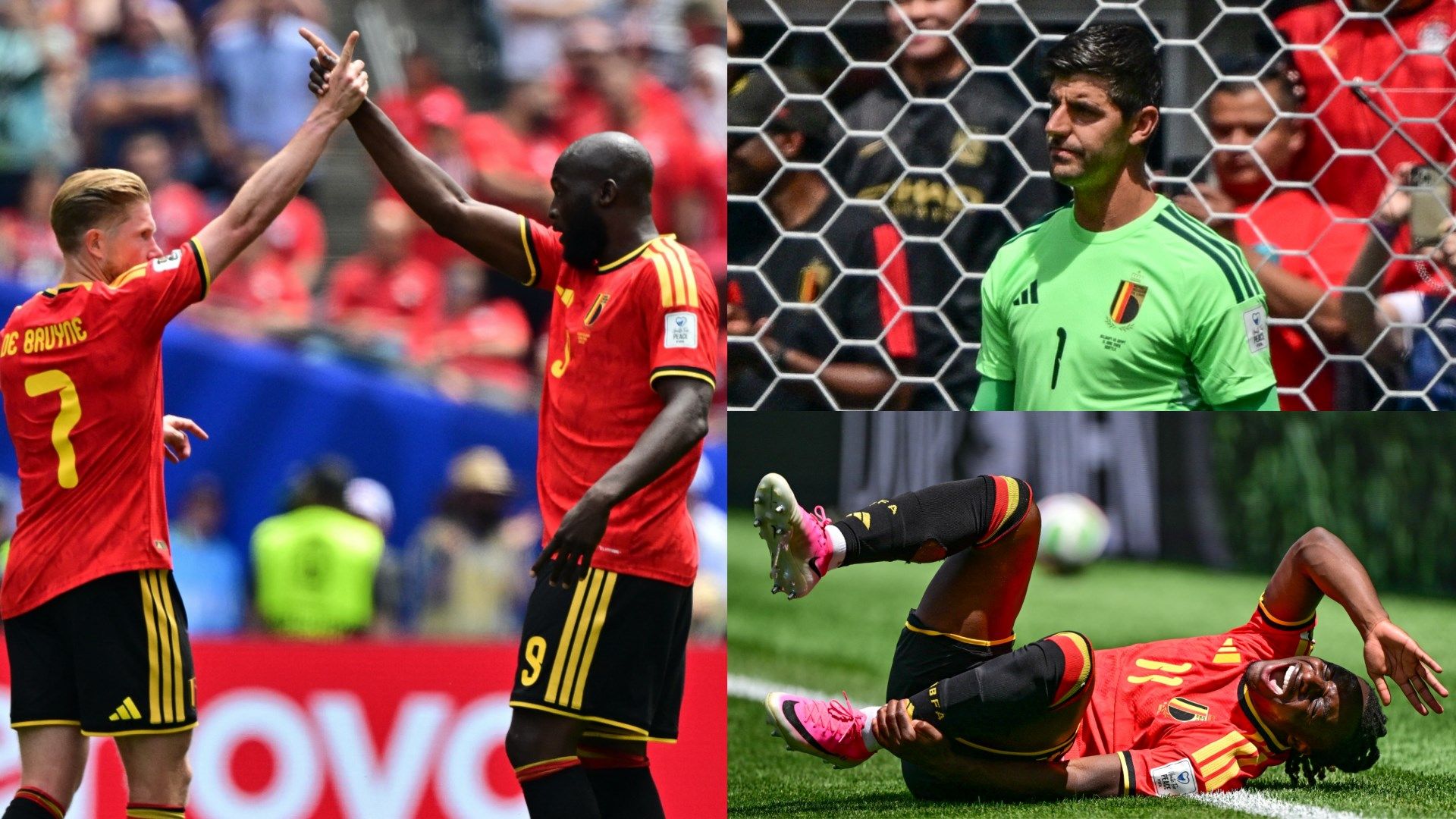
- Thibaut Courtois delivered an uncharacteristically shaky performance, particularly in the first half.
- Belgium's midfield lacked control, leading to Amadou Onana's early substitution.
- Romelu Lukaku's introduction provided an immediate attacking impetus, influencing the equalizer.
- The team showed significant improvement and fight after the half-time break.
First Half Frustrations: A Defensive and Midfield Muddle
Belgium kicked off their World Cup 2026 campaign with a performance that was far from their best, especially in a dismal first half. Goalkeeper Thibaut Courtois, usually a pillar of reliability, endured a challenging display. He was beaten from distance by Ashour and made a series of unconvincing parries, leaving the defense exposed.
Defensively, the backline looked unsettled. Thomas Meunier struggled with positioning on Ashour's goal but later made amends by forcing an own goal. Both center-backs, Nathan Ngoy and Brandon Mechele, failed to inspire confidence, with Ngoy lucky to avoid punishment for a push in the box. Timothy Castagne's early booking further complicated matters, hinting at the overall disjointedness.
In midfield, Amadou Onana was practically invisible, failing to impose himself on the game whatsoever. His early withdrawal before the hour mark was a clear indictment of Belgium's lack of control and creativity in the engine room. Youri Tielemans also struggled to influence play initially, making the team feel unusually ineffective.
The Second-Half Awakening: Lukaku Ignites the Comeback
The second half saw a different Belgium emerge from the tunnel, showcasing renewed energy and purpose. Rudi Garcia's substitutions proved instrumental, injecting much-needed vigor into the team. Youri Tielemans found his rhythm, becoming more influential and playing a crucial role in the build-up to Belgium's equalizer.
The game-changer, however, was the introduction of Romelu Lukaku. Despite not scoring himself, 'Big Rom' immediately made his presence felt, his physicality and attacking presence unsettling the Egypt defense. It was his influence that directly led to the pressure that resulted in the own goal, salvaging a vital point for the Red Devils.
Attackers like Leandro Trossard and Jeremy Doku showed glimpses of their quality, with Trossard delivering an outstanding back-heel. Kevin De Bruyne remained Belgium's most likely source of magic, hitting the post with a free-kick. However, Charles De Ketelaere delivered a notably poor performance, failing to register a shot or create significant chances.
Garcia's Gambit: Timely Adjustments Pay Off
While Rudi Garcia must take responsibility for Belgium's flat first-half display, his ability to adapt and inspire a second-half turnaround deserves credit. His decision to bring on fresh legs, particularly Lukaku and Nicolas Raskin, decisively shifted the momentum. Raskin helped Belgium gain a crucial foothold in midfield, showcasing the depth and tactical flexibility needed at this level.
Ultimately, a 1-1 draw against a competitive Egypt side might not be the dream start, but it's a point gained after a dire opening. The Red Devils will need to address their defensive vulnerabilities and midfield cohesion, but the resilience shown in the second half, spearheaded by Lukaku's impact, offers a glimmer of optimism for their upcoming World Cup 2026 fixtures.
![Axiata roar powers Aaron-Wooi Yik and Wei Chong-Kai Wun into last eight [WATCH]](https://assets.nst.com.my/images/socialmedia/518A23787842D66475246D59B8666B3F_data_0.jpg)