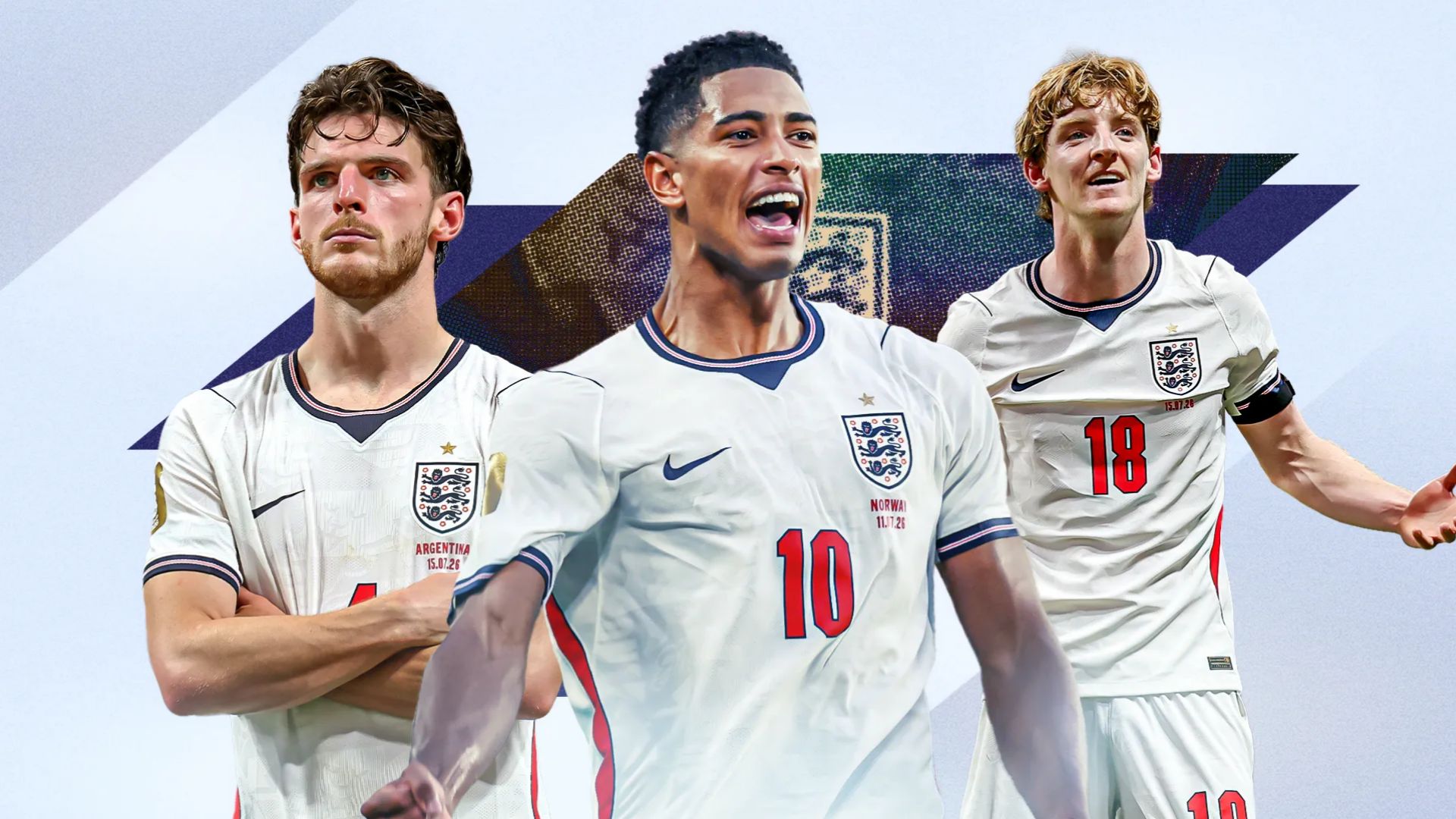

The 2026 FIFA World Cup saw England deliver a rollercoaster of emotions, ultimately ending with a bronze medal, a testament to flashes of brilliance mixed with moments of frustration. While Jude Bellingham ascended to superstardom, cementing his place as one of the world's elite, the collective performance of the Three Lions left many wondering what could have been.
Key Takeaways from England's World Cup Campaign
- Jude Bellingham was England's undeniable standout, a Golden Ball contender with seven goals.
- Several key players, including Bukayo Saka and Declan Rice, battled injuries, impacting their consistent form.
- Emerging talents like Djed Spence and Anthony Gordon seized their opportunities with impressive displays.
- The team showcased strong defensive moments but struggled for consistent attacking fluidity beyond individual brilliance.
England's Star Performers: The Unsung Heroes & Rising Talents
Jude Bellingham: A Golden Ball Performance (10/10)
Simply sensational, Jude Bellingham was the undisputed engine and inspiration for England throughout the 2026 World Cup. Dismissing any pre-tournament doubts, the 23-year-old orchestrated the midfield, netted seven goals, including crucial braces against Mexico and Norway in the knockout stages, and showcased why he's already among the global elite. He was a genuine Golden Ball contender, a beacon of brilliance for the Three Lions.
Anthony Gordon: Electrifying on the Flank (8/10)
Anthony Gordon truly arrived on the international stage. Initially losing his starting spot, his two assists against DR Congo and relentless work rate saw him reclaim his position. He was a menace against Mexico and Norway, providing another assist, and opened his scoring account against Argentina. His stellar performances vindicated Barcelona's significant investment.
Djed Spence: The Breakout Defender (8/10)
A surprise call-up, Djed Spence was one of England's most impressive performers. His dynamic cameos against Mexico and Norway led to strong starts against France and Argentina. His legendary tackle against Argentina will be etched in memory, despite the semi-final heartbreak. Spence has firmly staked his claim for a permanent role.
Marc Guehi: Defensive Anchor (7/10)
It's baffling that Marc Guehi wasn't a starter from the outset. As England's premier centre-back, his presence stabilized the defense considerably. While not always at his absolute peak, his performances were strong enough to secure his place in the future setup. His move to Manchester City will only further sharpen his elite potential.
Elliot Anderson: Midfield Dynamo (7/10)
Elliot Anderson grew into the tournament, delivering crucial moments when it mattered most. There's enough evidence to suggest a formidable midfield trio of Rice, Anderson, and Bellingham could be the bedrock for England until 2030. His adaptability and resilience shone through.
The Seasoned Veterans: Mixed Fortunes for England's Established Names
Declan Rice: Engine Room Battles (7/10)
Declan Rice reaffirmed his status as an elite ball-winning midfielder, excelling when given space to drive forward. While his passing sometimes lacked the final-third risk-taking England needed, his quality was undeniable, highlighted by a superb goal and assist against France. His impact was sorely missed in games where injury hampered him.
Harry Kane: Goal Machine or Liability? (7/10)
Harry Kane started the tournament like a Golden Boot winner, rescuing England against DR Congo in the Round of 32. His six goals were a decent return, but his lack of athleticism became a vulnerability against top-tier opponents like Argentina. Questions persist about his longevity at this level ahead of Euro 2028.
Jordan Pickford: Moments of Brilliance, Moments of Doubt (6/10)
Jordan Pickford's heroics against Mexico at the Azteca and vital saves against Norway will live long in memory. However, moments of vulnerability, particularly Argentina's semi-final equalizer, demonstrated areas for improvement. A mixed bag for the long-standing number one.
John Stones: A Return to Form (6/10)
John Stones endured a shaky start against Croatia but steadily improved as he regained a consistent spot in the lineup. Given his inconsistent club minutes over the last 18 months, this progression was expected. At 32, this tournament may represent his international swansong.
Ezri Konsa: Flashes of Quality (6/10)
Ezri Konsa showed flashes of excellence, particularly when deployed at right-back, and even bagged a World Cup goal against France. However, poor marking against Argentina and a lucky escape from a penalty against Ghana highlighted inconsistencies. Room for growth for the defender.
Reece James: Talent vs. Durability (6/10)
When fit, Reece James was a significant asset, even performing creditably in central midfield. Yet, a predictable hamstring injury derailed his tournament, causing him to miss crucial games. His talent as England's primary right-back is clear, but his body's durability remains a pressing concern.
Nico O'Reilly: Promising but Raw (6/10)
Nico O'Reilly's immense talent is undeniable, but defensive space left behind him in critical moments led to him being benched for the Argentina semi-final. Despite hitting the woodwork multiple times, denying him a goal, his attacking flair was evident. A learning curve for the young talent.
Morgan Rogers: The Versatile Option (6/10)
While not starting ahead of Bellingham as speculated, Morgan Rogers carved out a valuable role. He impressed as a No. 8 against Norway, provided an assist as a right winger against Argentina, and put in a solid performance in the third-place match. A versatile utility player for Tuchel.
Dan Burn: Specialist Impact (6/10)
Dan Burn's inclusion as a set-piece aerial weapon was surprisingly effective and entertaining, especially against Mexico and Norway. While his overall quality for regular England duty is debatable, his specific role was executed well. Likely a one-off, but memorable.
Bukayo Saka: Impactful Despite Injury (6/10)
Battling injury from the outset, Bukayo Saka was carefully managed until the bronze-medal match, where he unleashed a stunning hat-trick against France. He also provided a fine assist against Mexico and looked lively against Norway. A tournament of limited but impactful appearances for the Arsenal winger.
Peripheral Figures: Limited Opportunities and Unfulfilled Potential
Eberechi Eze: Glimpses of Talent (5/10)
Eberechi Eze made four substitute appearances before starting the bronze-medal match, where he provided an assist. He had bright moments, but ultimately couldn't provide the consistent attacking threat that Tuchel would have desired in the final third.
Marcus Rashford: Inconsistent Impact (5/10)
Marcus Rashford started with a decisive goal against Croatia, but struggled to maintain that level. After starting against Panama and DR Congo, he was benched until stoppage time against Argentina, ending his campaign with an assist against France. Inconsistent.
Noni Madueke: Faded After Bright Start (5/10)
Expected to back up Bukayo Saka, Noni Madueke stepped into the starting XI for four matches due to injuries. He showed initial promise against Croatia but couldn't sustain that form. Replaced at half-time against Norway, his tournament fizzled out.
Dean Henderson: Unlucky Debut (5/10)
It was tough for Dean Henderson to concede four goals in his sole World Cup appearance, particularly as he was largely blameless for France's strikes. He did make a couple of respectable saves, but the scoreline overshadows his individual effort.
Ivan Toney: Penalty Specialist (4/10)
Ivan Toney was primarily a penalty specialist, utilized in desperate situations. He appeared in stoppage time against Argentina and started the majority of the bronze-medal match against France. Limited impact beyond his specific role.
Ollie Watkins: Peripheral Role (4/10)
After his Euro 2024 semi-final heroics, Ollie Watkins would have hoped for more than 51 minutes across two substitute appearances against Panama and France. He looked decent in the latter, but overall, a peripheral figure.
Jarell Quansah: A Tournament to Forget (3/10)
A challenging tournament for Jarell Quansah. He endured a poor performance against Panama, was almost sent off against Mexico, and was overwhelmed by Kylian Mbappé against France while playing out of position at right-back. A learning experience he'll want to forget quickly.
Trevoh Chalobah: Fleeting Appearance (N/A)
A late call-up due to Tino Livramento's injury, Trevoh Chalobah's only appearance was a shaky stoppage-time substitute role against France. A fleeting and nervous World Cup debut.
Jordan Henderson: Veteran Presence, Limited Action (N/A)
Jordan Henderson made history with six minutes against Panama, becoming the first England player to appear in seven major tournaments. However, a booking and a broken arm sustained as an unused sub against Mexico cut short any real impact. Stayed for squad morale.
James Trafford: Learning Experience (N/A)
As the third-choice goalkeeper, James Trafford didn't see any action. This experience will serve as valuable exposure and learning, with his future undoubtedly holding more opportunities given Jordan Pickford's age.
Kobbie Mainoo: Unfortunate Injury (N/A)
Heartbreakingly, Kobbie Mainoo missed the entire tournament. A back injury picked up before the France game sidelined him, even ruling him out of the bronze medal match. A summer of missed opportunities for the talented Manchester United midfielder.
The Final Verdict: Looking Ahead for the Three Lions
The 2026 World Cup offered a complex narrative for England. While Jude Bellingham's meteoric rise provides immense hope, the campaign highlighted areas for improvement in squad depth and consistent performance. The Three Lions return with bronze, a mix of pride and the lingering question of what might have been.