.jpg)

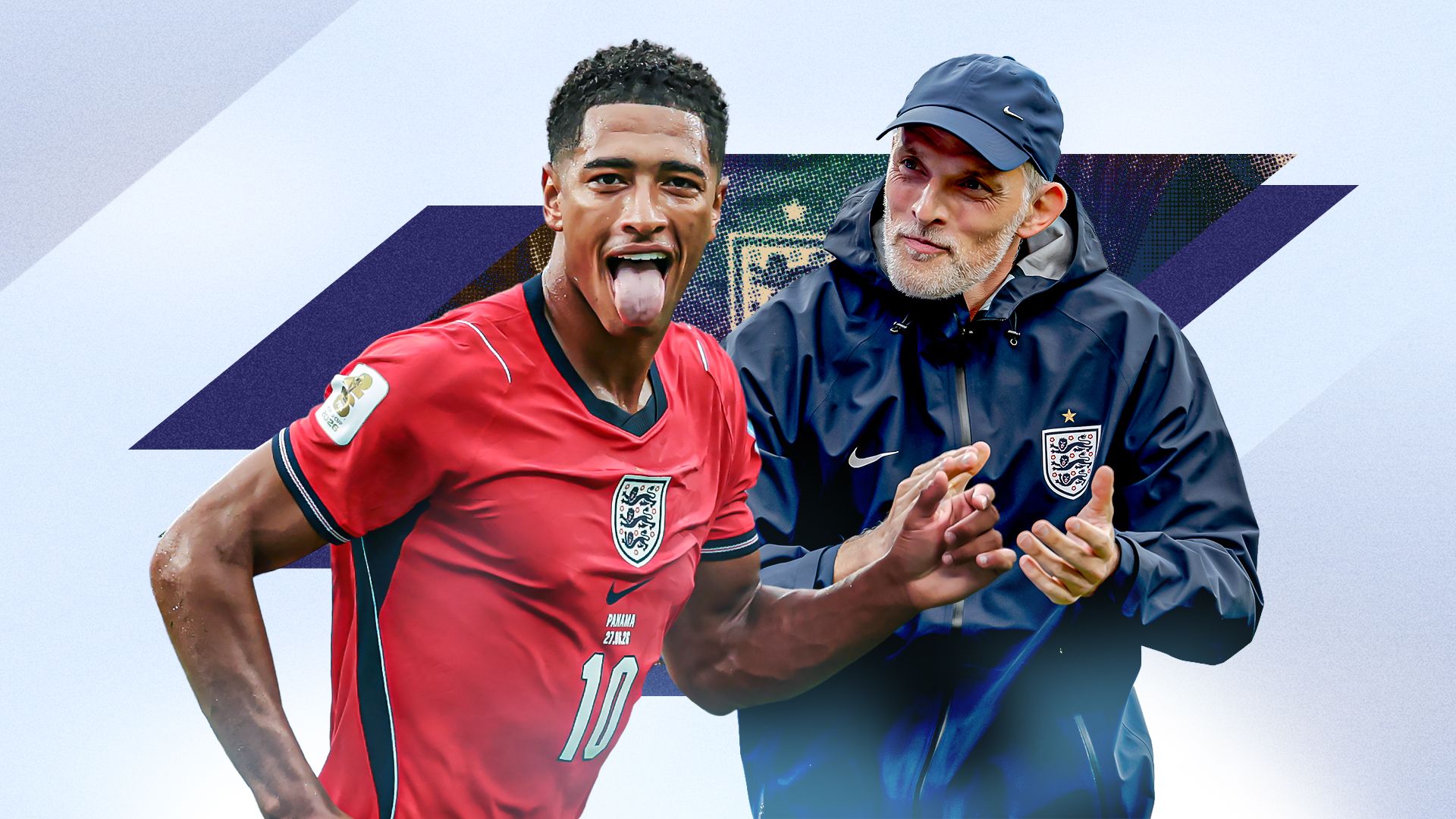
Jude Bellingham isn't just playing for England; he's carrying their World Cup hopes on his incredibly broad shoulders, a truth laid bare yet again in the hard-fought victory over Panama. While the Three Lions secured their passage and a potentially smoother knockout path, the match against Panama exposed both dazzling individual brilliance and lingering team vulnerabilities. Our in-depth analysis breaks down the key winners and losers from a pivotal group stage encounter, highlighting where Thomas Tuchel's side stands as the World Cup intensifies.
Key Takeaways from England vs. Panama:
- Jude Bellingham delivered a truly talismanic performance with a goal and an assist, dominating the midfield.
- Harry Kane became England's all-time top World Cup goalscorer, surpassing Gary Lineker's record.
- A worsening injury crisis at right-back raised significant concerns about squad depth and selection.
- Thomas Tuchel's tactical experiment to break down low blocks largely failed to convince, with questions remaining.
- Topping the group ensured England landed in a more favorable side of the knockout bracket, a crucial strategic win.
Bellingham's Brilliance: England's Unstoppable Force
It defies belief that there were ever doubts about Jude Bellingham starting for England. His performances in the group stage have been nothing short of sensational, blending elite quality with undeniable leadership. Against Panama, deployed in a deeper midfield role to allow Declan Rice a much-needed rest, Bellingham was everywhere.
From the first whistle, he dove into tackles, expertly dribbled past multiple defenders, and constantly marshaled his teammates. Both his goal and assist, though executed with sublime ease, were far from straightforward situations, showcasing his supreme talent.
Substituted after 71 minutes, Bellingham's stat sheet was incredible: leading the game in ground duels contested and won, tackles, fouls won, chances created, attempted and successful take-ons, and crucial goal involvements. Only Harry Kane and Wayne Rooney now boast more tournament goals for England in the 21st century. As Panama manager Thomas Christiansen put it, "That is just the quality of Jude Bellingham".
Ahead of the knockout rounds, Bellingham turns 23. It’s genuinely frightening to consider how talismanic he already is at such a young age, playing with an intensity Thomas Tuchel notes stems from his sheer joy of being back on the pitch.
Kane: Record Breaker & Golden Boot Contender
For much of the match against Panama, Harry Kane seemed strangely subdued. He struggled to get involved in open play, and at one point, his deep-lying role saw him defending in his own 18-yard box, far from where England needed a potent striker.
Yet, for Kane, it's often about crucial moments, and when Jude Bellingham delivered a perfect cross, the captain didn't disappoint. His tidy header from inside the six-yard box was clinical, reminding everyone of his predatory instincts.
This goal wasn't just another tally; it etched Kane deeper into England's history books. He is now England's all-time top goal-scorer at World Cups with 11 goals, surpassing Gary Lineker's long-standing mark of 10. With rivals like Kylian Mbappé and Erling Haaland having quieter games, Kane also closed the gap in the Golden Boot race, maintaining strong momentum for the decisive stages.
The Rogers Conundrum: A Missed Opportunity?
The pre-tournament debate focused on whether to start Morgan Rogers or Jude Bellingham. Against Panama, Thomas Tuchel opted for both. While Bellingham soared, Aston Villa star Rogers struggled to assert himself, operating on the periphery of the game.
Despite previous starts together resulting in wins, neither player had registered a goal or assist alongside each other, hinting at potential compatibility issues. Rogers' performance against Panama offered little to dispel these doubts: two chances created and zero shots on target do not inspire confidence.
While Tuchel insisted they "can play with each other", Rogers' role in the knockouts looks precarious. With Declan Rice returning, a return to the bench seems inevitable, placing pressure on Rogers to make a greater impact as a substitute than he did from the start.
Right-Back Nightmare: England's Mounting Injury Crisis
England's right-back situation has quickly escalated from a mild concern to a full-blown crisis. Thomas Tuchel's initial squad selection included two natural right-backs, Reece James and Tino Livramento. Predictably, given their injury histories, both have been sidelined.
Livramento was ruled out of the tournament on the eve of the first game. While James remains with the squad, he faces at least another match on the sidelines. Tuchel's attempt to find a solution by deploying natural center-back Jarell Quansah at right-back also backfired when Quansah suffered an ankle injury after just an hour against Panama, stretching resources to breaking point.
Looking ahead to the clash with DR Congo, Tuchel admitted worry over James and Quansah's fitness. This unfortunate sequence of events makes the omission of Trent Alexander-Arnold seem even more baffling in hindsight. Replacing Livramento with another central defender, Trevoh Chalobah, now also appears misguided. The likely stop-gap? Djed Spence, a player who has predominantly featured on the left flank over the past three seasons. This is far from ideal for a nation with World Cup aspirations.
Tuchel's Tactical Headaches Persist
Following the goalless draw with Ghana, Thomas Tuchel hinted at a 'new plan' to dismantle stubborn low blocks. Against Panama, he tweaked his lineup, bringing in Rogers, Bellingham, Saka, and Marcus Rashford, aiming for an attacking 3-1-6 formation when in possession. The theory was sound: overwhelm Panama numerically in attack.
However, in practice, the execution was unconvincing. England created little in the first half, managing only two shots on target. The breakthroughs eventually came from a set-piece and a goal in transition, not from a fluid, penetrative attacking scheme. While the Three Lions played to their strengths and secured the win, this performance didn't definitively answer questions about their ability to consistently unlock resolute defenses.
With DR Congo unlikely to adopt an open approach in the next round, fans might brace themselves for another tense evening. Tuchel still needs to prove his tactical vision can consistently break down deep-lying opponents without relying on individual moments or set-pieces.
The Road Ahead: Favorable Knockout Draw Secured
Beyond the individual heroics and tactical frustrations, England's win over Panama held immense strategic importance: securing top spot in their group. This outcome has significantly impacted their potential path to the World Cup final.
By topping the group, England has avoided a truly daunting side of the bracket that would have featured potential clashes against Portugal, Spain, and even France in the semi-finals. Instead, they find themselves in a bracket with other formidable opponents like Mexico, Brazil, and Argentina, but crucially, bypassing the absolute toughest gauntlet.
While a journey through this side of the draw will be anything but easy – a potential quarter-final against Brazil in Miami or Argentina is still a massive test – it is undeniably the kinder route. This victory could be looked back upon as a pivotal moment three weeks from now if England is contesting the final in New Jersey. The upcoming match against DR Congo offers another opportunity to fine-tune operations before the level of opposition escalates considerably.