
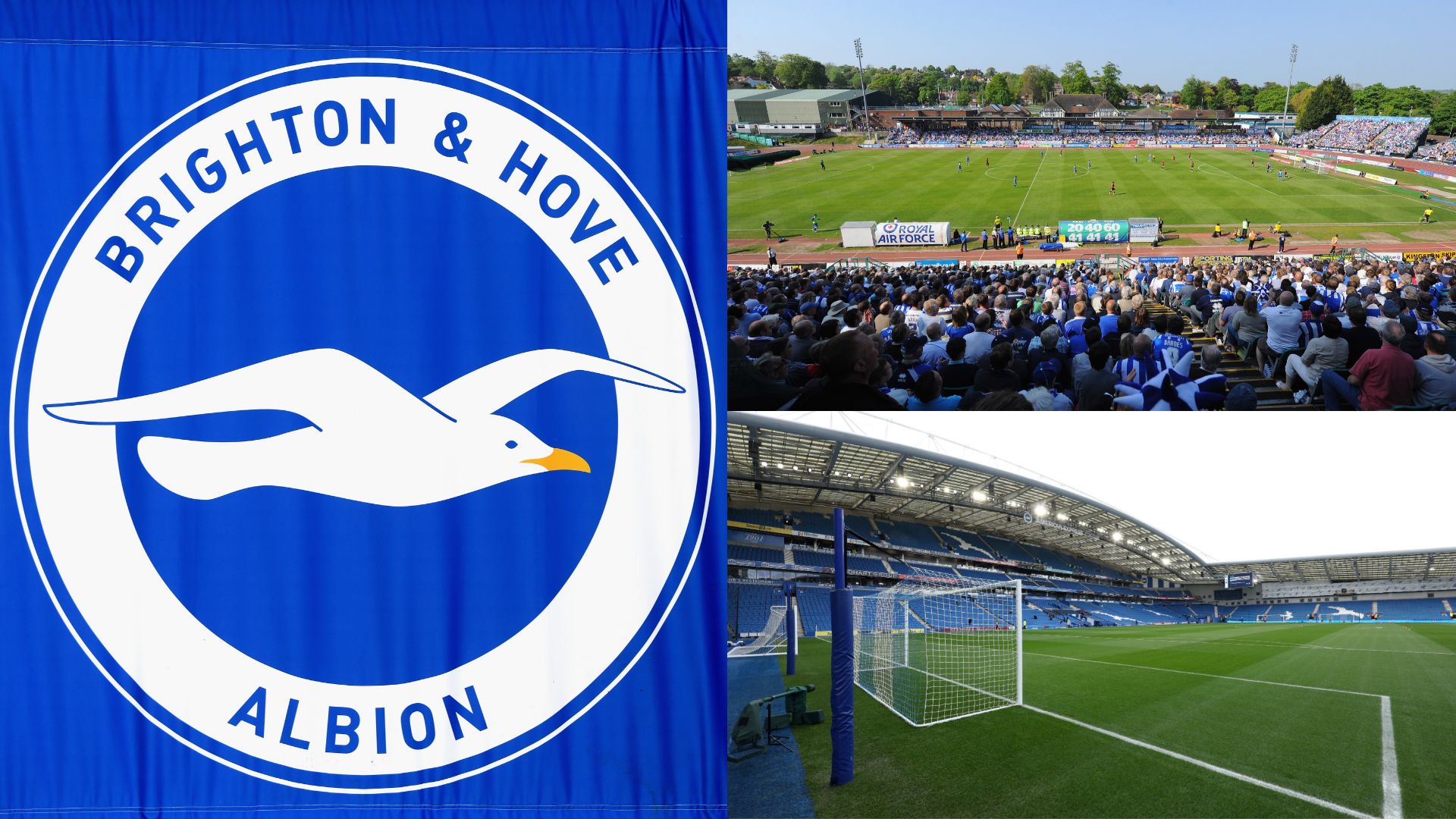

The current era of Brighton & Hove Albion flying high in Europe feels like a distant dream compared to their nomadic past. Before the gleaming Amex Stadium became their fortress, the Seagulls endured years of hardship at a truly unconventional home: the Withdean Stadium. It was a period defined by resilience, ingenuity, and a manager who saw an athletics track as a tactical advantage.
Key Moments from Brighton's Withdean Era
- Forced Exile: After leaving the Goldstone Ground in 1997, Brighton spent years without a proper home stadium.
- The Athletics Track: The Withdean Stadium was purpose-built for athletics, not football, posing unique challenges for players and fans.
- Mark McGhee's Ingenuity: Former manager Mark McGhee famously 'weaponized' the stadium's bizarre layout, turning it into an intimidating arena for visiting teams.
- The Disappearing Stand: The main stand behind the dugouts was literally rented from the British Open golf tournament, dismantled annually.
From Nomad's Land to the Athletics Arena
The story of Brighton & Hove Albion's search for a home is one of the most tumultuous in English football. Kicked out of their beloved Goldstone Ground in 1997, the club faced an unthinkable future. A brief, 70-mile tenancy at Gillingham's Priestfield Stadium was a stark, unsustainable reality before they finally returned to East Sussex in 1999.
Their new 'home,' the Withdean Stadium, was a far cry from a traditional football ground. Designed for track and field, with Olympic legend Steve Ovett once gracing its lanes, it became the unlikely stage for professional football. Protests were rife, yet for 12 years, this athletics venue was all the Seagulls had.
McGhee's Masterclass: Weaponizing the Withdean
When Mark McGhee took the reins in October 2003, he inherited a club on the brink. Brighton was a third-tier outfit, grappling with the memory of almost ceasing to exist just years prior. Their every penny was funnelled into relentless public inquiries, fighting for permission to build a new, purpose-built stadium.
McGhee vividly recalls the scene: an average crowd of 5,500 to 6,000 crammed into a makeshift stadium, facing Championship giants like Leeds, West Ham, and Wolves. Yet, he saw not a hindrance, but an opportunity.