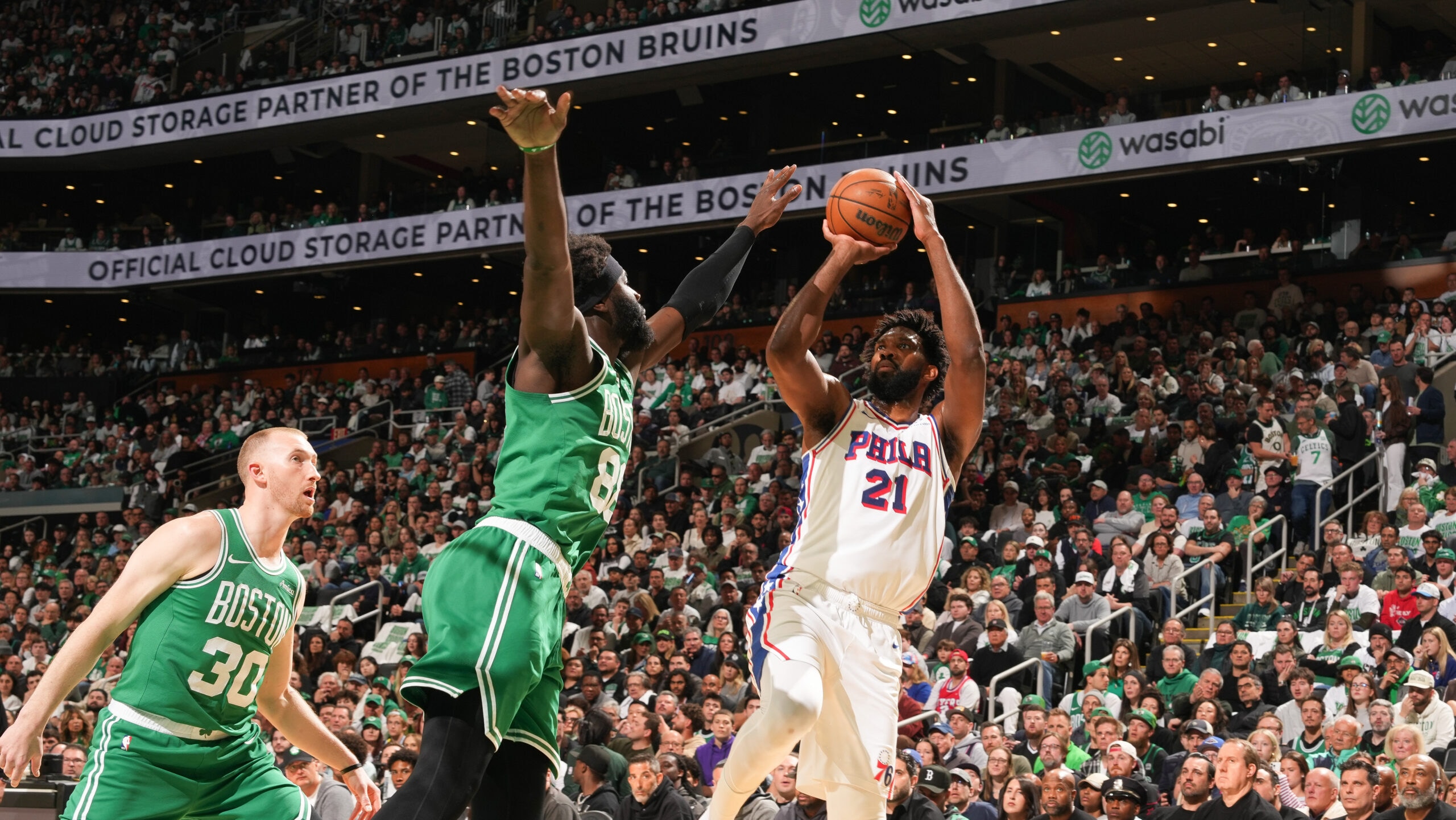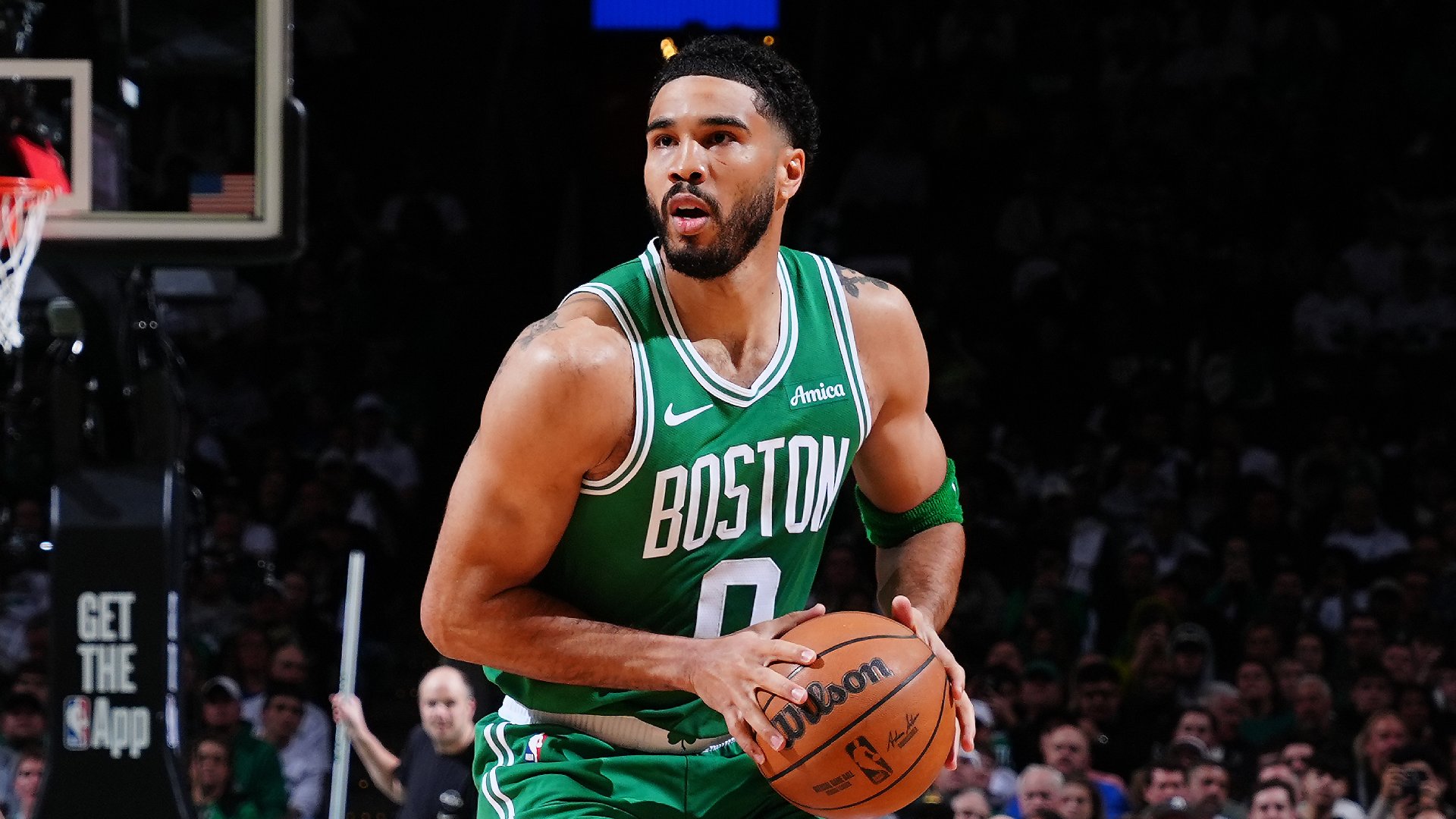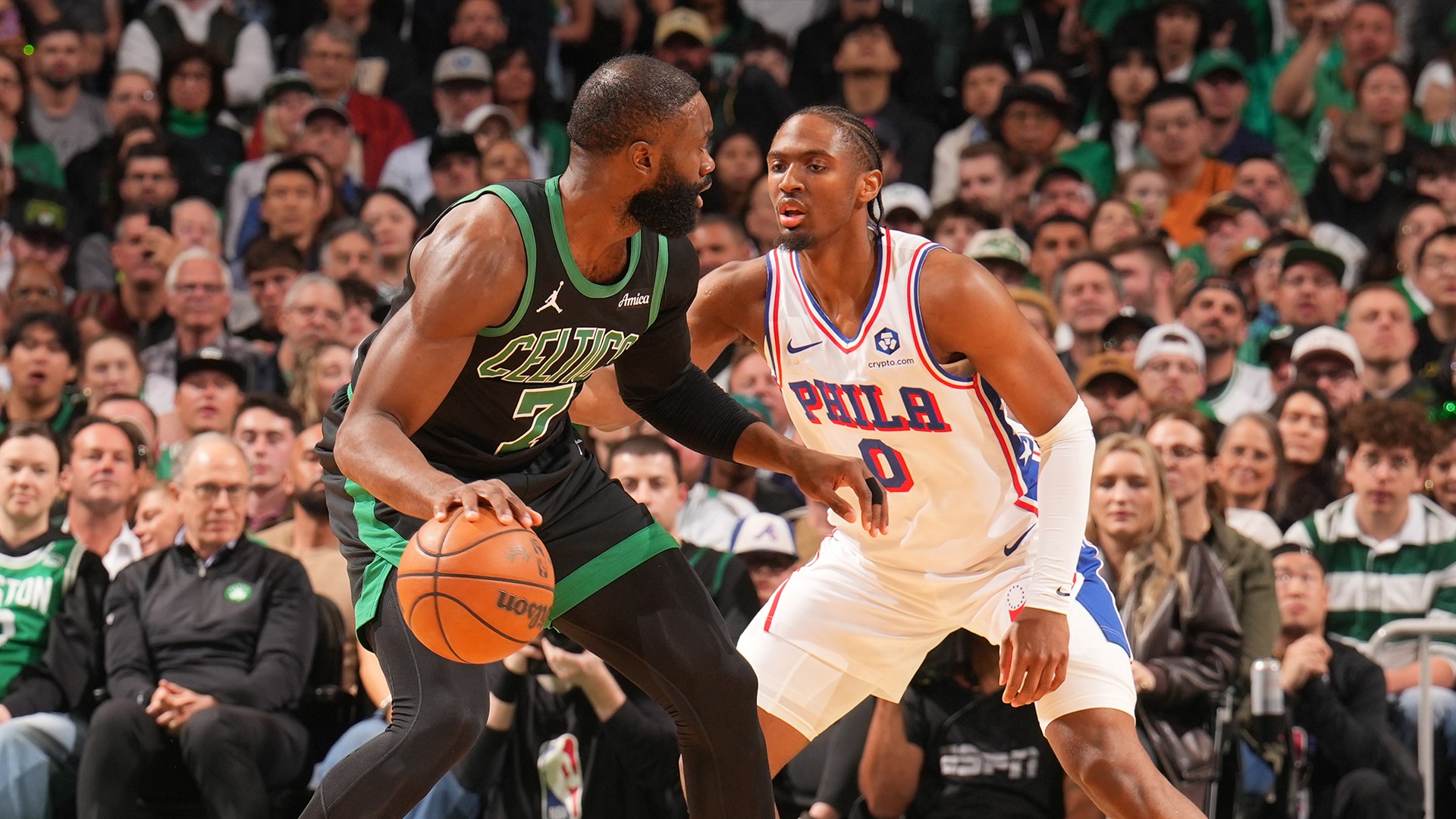

This isn't just a Game 7; it's an NBA playoff epic with championship dreams on the line! The Boston Celtics are staring down a historic collapse against the Philadelphia 76ers, who've clawed their way back after being down 3-1. Now, with Jayson Tatum sidelined due to injury, the stakes couldn't be higher for Boston in this do-or-die showdown.
Game 7 Key Points:
- The Celtics' offense shows extreme inconsistency, with their 3-point shooting being a major swing factor.
- Jayson Tatum's absence demands a complete offensive re-tooling and greater contributions from other Celtics stars.
- The 76ers must break their pattern of notoriously slow first-quarter starts to gain an early edge.
- Both teams are relying heavily on jump shots, indicating a defensive battle that's limiting easy scoring opportunities.
Celtics' Offensive Rollercoaster: A Tale of Two Teams
The Boston Celtics have been a perplexing enigma this series. Their offensive rating skyrockets to 129.1 points per 100 possessions in wins, a stark contrast to their meager 101.1 in losses. This 28-point swing highlights their Jekyll-and-Hyde scoring.
The difference often boils down to the long ball. In their three victories, Boston shot over 36% from beyond the arc, but dipped below 30% in all three defeats. Even more concerning, Game 6 saw their worst free throw rate (9-for-16) and offensive rebounding percentage (16.7%), crucial areas where they usually excel.
The Tatum-less Test: Boston's Ultimate Challenge
The biggest bombshell heading into Game 7? Jayson Tatum is officially OUT with a knee injury. For much of the series, Boston's primary offensive action involved ball-screens for Tatum, often with Joel Embiid as the screener's defender. This strategy yielded 1.14 points per possession when leading to a shot, turnover, or free throws.
Without their superstar, the offensive burden shifts dramatically. While Embiid has had some issues defending in space, particularly against drives, the responsibility now falls squarely on Jaylen Brown, Derrick White, and the rest of the Celtics squad to generate offense and attack the basket effectively. Boston's anemic 93 points on 100 possessions in Game 6 simply won't cut it.
Sixers' Sluggish Starts: Can They Find Early Momentum?
The Philadelphia 76ers have developed a troubling habit: awful first-quarter offense. They've averaged a dismal 85.7 points per 100 possessions in opening periods, the worst mark of any team in these playoffs. This isn't just a minor blip; it's been consistent, losing the first quarter in all six games.
Over the last three games alone, the Sixers have managed a paltry 59 points on 74 first-quarter possessions. Role players like VJ Edgecombe and Kelly Oubre Jr. have particularly struggled, combining for just 10-for-36 (28%) overall and a shocking 2-for-19 from deep in the opening frame. To truly seize control of Game 7, Philadelphia needs a strong, aggressive start.
Boston's Starting Five Struggles for Consistency
The Celtics' starting lineup has collectively struggled to find its rhythm, scoring just 96.5 points per 100 possessions over 115 offensive trips. This is the least efficient mark among all lineups playing at least 50 minutes this postseason. While Neemias Queta offers defensive prowess, the Celtics have been demonstrably better offensively when using floor-spacing centers like Nikola Vučević or Luka Garza.
Coach's decision on who gets the most minutes at center in Game 7 could be pivotal, especially as they look to open up driving lanes and counter the 76ers' defense without Tatum.
A Jump-Shooting Marathon: Where Are the Easy Buckets?
This series has evolved into a jump-shooting contest, with a combined 39.2% of all shots coming from within the paint – an unusually low figure. The Celtics are taking a meager 35.8% of their shots in the paint, the lowest rate of any team in any playoff series in four years.
Even the 76ers, typically more assertive inside, are at 42.6% in the paint, down from their regular season average. Joel Embiid, known for his interior dominance, has only taken 35% of his shots in the paint, preferring mid-range jumpers where he's hitting a solid 50% but struggling from beyond the arc (2-for-16). Both teams need to find ways to attack the rim more directly.
Transition Opportunities: A Hidden Key to Victory
Related to the lack of paint scoring, easy transition points have been hard to come by. Both teams are averaging a combined 34.7 transition points per game. While the Celtics maintain their typical transition volume, the 76ers have seen a significant drop, from 24.7 transition points per game in the regular season to just 16.8 in this series.
Boston's disciplined ball-handling, committing only 5.9 live-ball turnovers per 100 possessions, has stifled Philadelphia's fast-break opportunities. The Sixers' 23 transition points in Game 6 were a series high, showing the potential impact. Whichever team can generate a few more fast-break scores in Game 7 could tilt the balance.
Will Game 7 Deliver a Clutch-Time Thriller?
Surprisingly, only one of the first six games in this series has been within five points in the final five minutes – Game 3, decided by a Jayson Tatum dagger three. The Celtics were a sub-.500 clutch team (16-17) in the regular season, while the 76ers boasted the league's No. 1 clutch defense (23-18 record).
Historically, nearly half of all Game 7s have gone down to the wire. With everything on the line, fans are desperately hoping for a true nail-biter. The team that handles the pressure and executes in those tight moments will undoubtedly advance to face the New York Knicks.