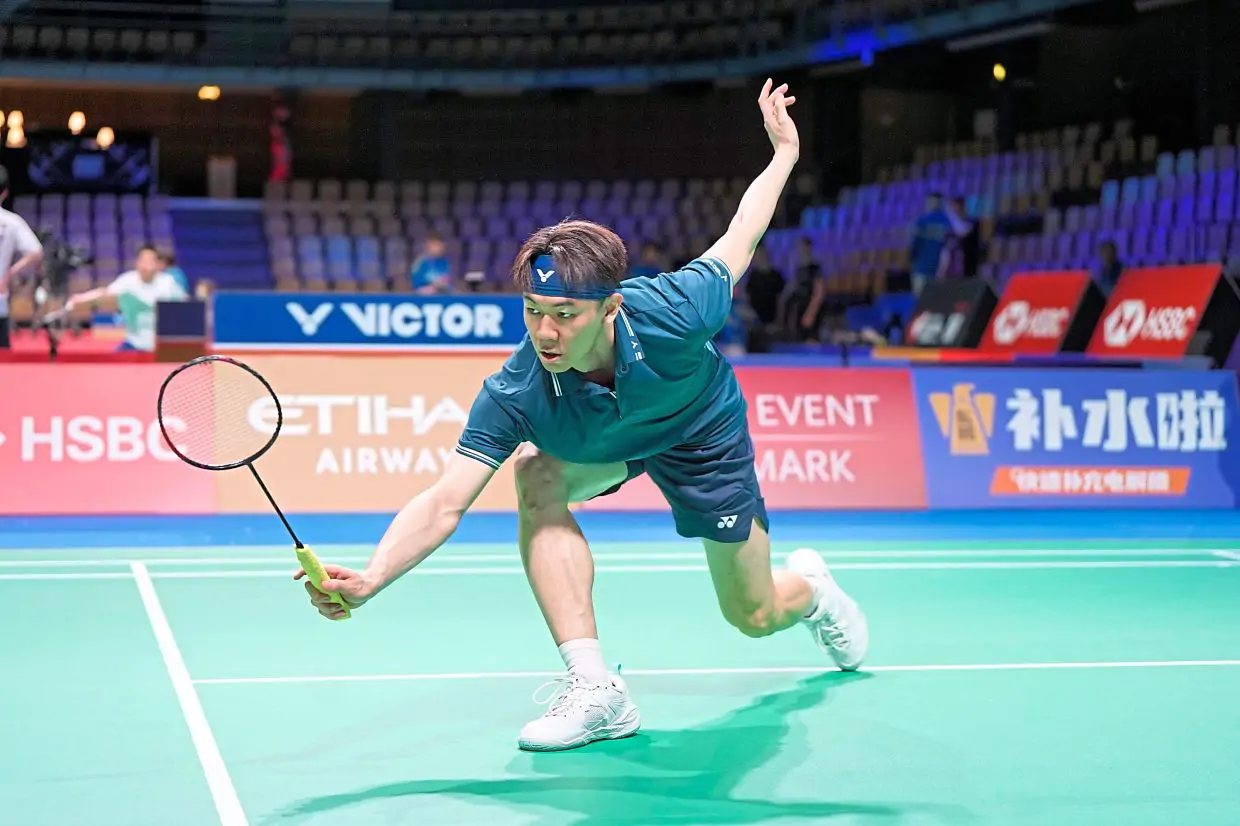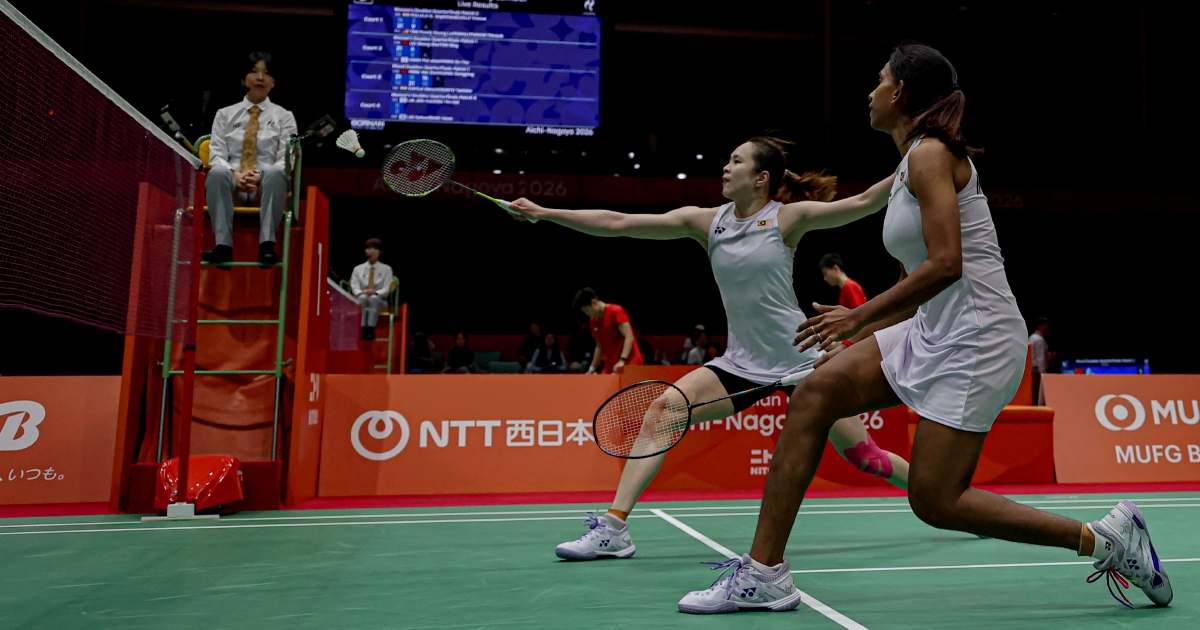
The roar of the crowd in Nagoya might have been deafening, but for Chinese badminton, the silence of a missing gold medal in the singles events speaks volumes. The recent Asian Games saw a seismic shift, raising uncomfortable questions about the dominance of a nation long considered the undisputed titan of the shuttlecock. Is the dynasty truly under threat, or just facing a momentary wobble?
Key Takeaways from the Asian Games
- China secured only two gold medals in badminton at the Asian Games, their lowest tally in 24 years.
- No Chinese players reached the finals in either men's or women's singles events.
- Rival nations like Indonesia and South Korea matched China's gold count, signaling a closing gap.
- The performance follows an internal shake-up within the Chinese Badminton Association, including a high-profile corruption probe.
A Golden Dynasty Under Scrutiny
For a country synonymous with badminton supremacy, China's performance in Nagoya was undeniably jarring. Bringing home just two golds – in the women's team event and mixed doubles – marks their most modest haul at the Asian Games in nearly a quarter-century. This starkly contrasts with the four golds they clinched just three years prior at their home games, intensifying the debate over their continued dominance.
Singles Struggle: A Worrying Trend?
Perhaps the most telling sign of a shifting landscape was the absence of any Chinese player in either the men's or women's singles finals. This is a stark departure from expectations and historical precedent. Despite this, men's doubles world champion and silver medalist Wang Chang remains resolute.
“Of course not,” Wang asserted when asked if the gap had shrunk. “Traditionally, badminton has been China’s strength. We have been at the top level in world badminton. We haven’t won gold in singles events but that doesn’t mean that the players have become weak.” His optimism highlights the internal belief that this is a temporary blip, not a permanent decline.
Rivals Closing the Gap
While China might view this as an anomaly, their rivals are seizing the moment. Nations like Indonesia and South Korea notably matched China’s two golds at these games, showcasing a competitive parity that was once unimaginable. Indonesian doubles star Daniel Marthin, who defeated Wang Chang and Liang Weikeng in a thrilling final, voiced a sentiment many are now sharing.
“China and Indonesia are equal in strength,” Marthin declared. “We just want to be more confident now that we are at the same level.” This growing confidence from opposing camps is a clear indicator that the playing field has leveled considerably.
The Elephant in the Room: Off-Court Turmoil
It’s impossible to discuss China’s recent badminton performance without acknowledging the significant internal turmoil. The sport's governance in the country has undergone a major shake-up, including a stern crackdown on corruption. The former president of the Chinese Badminton Association, two-time Olympic gold medallist Zhang Jun, has been under investigation for