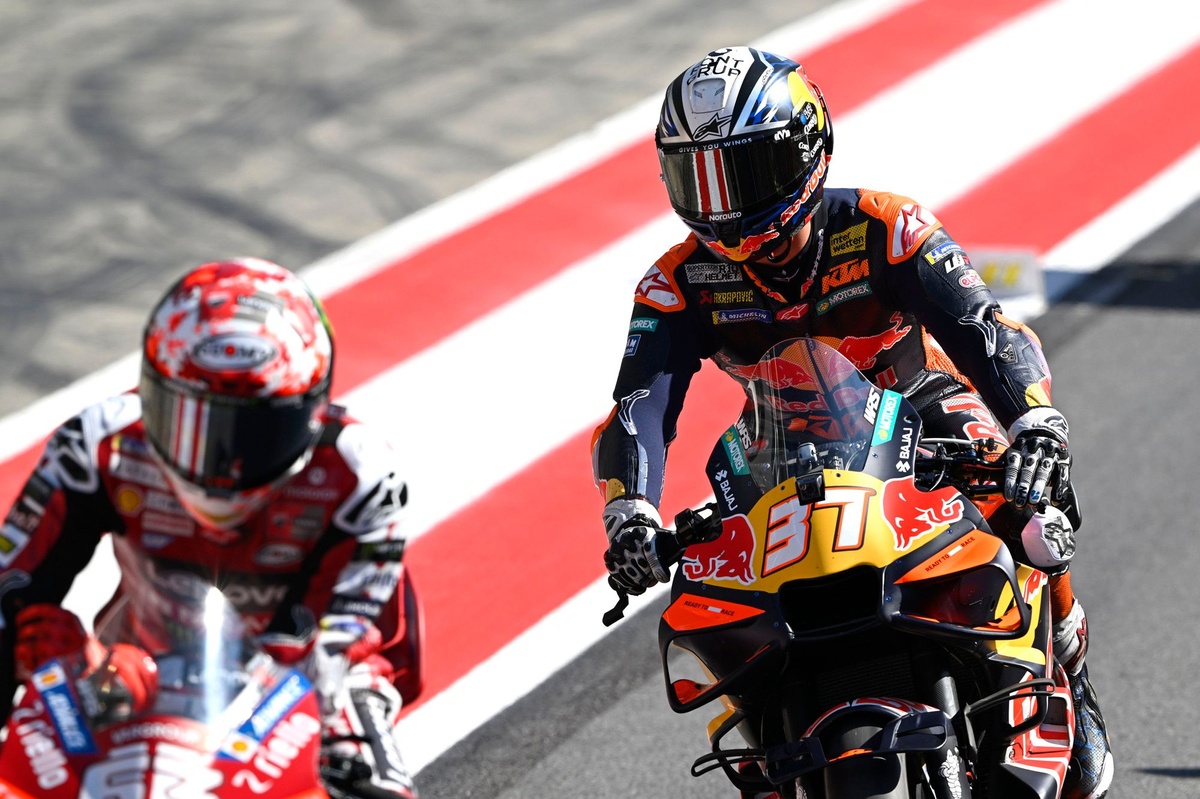


MotoGP is facing renewed calls to improve rider safety after extreme heat conditions at the Czech Grand Prix left competitors struggling in what many described as punishing temperatures.
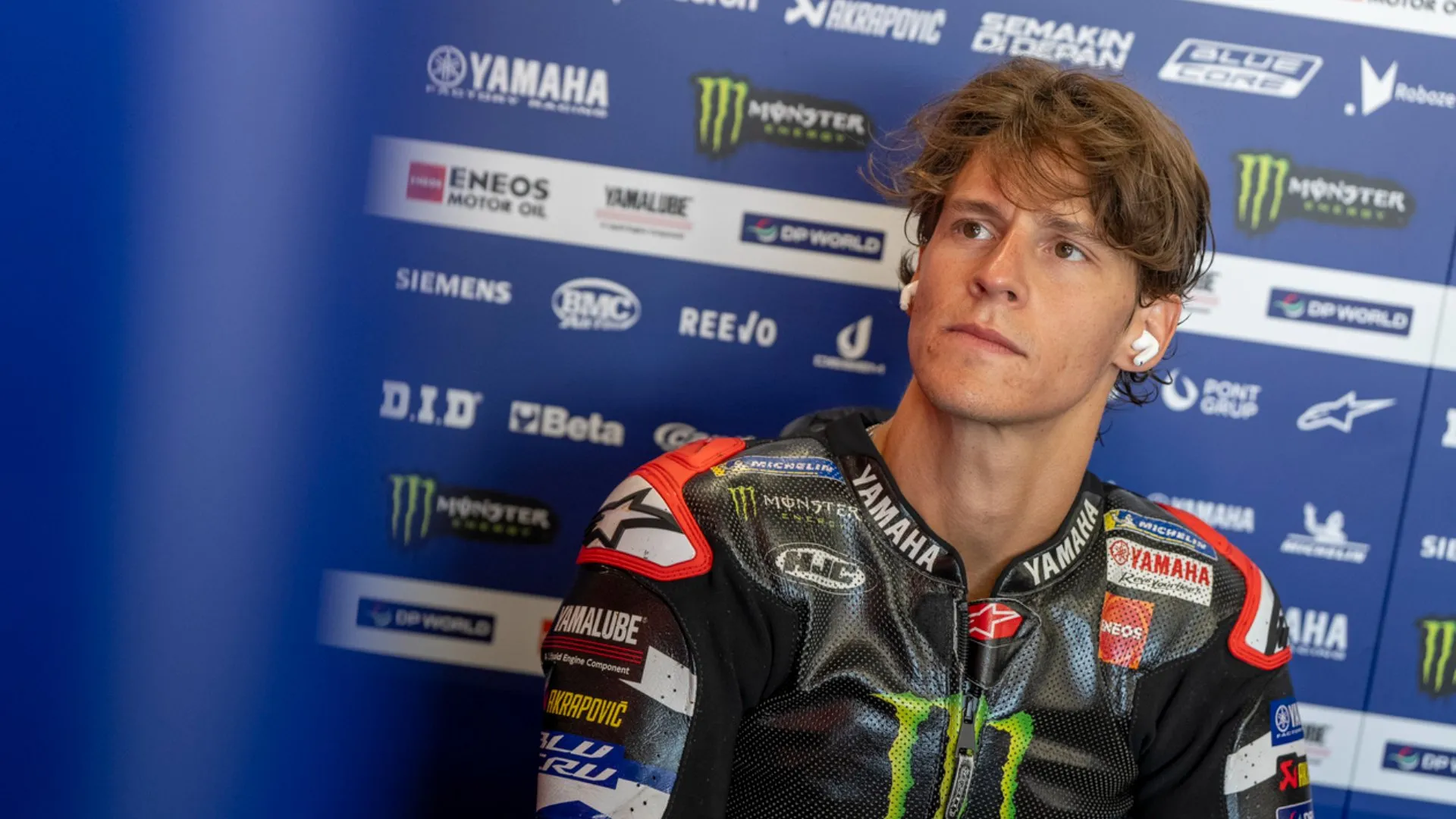
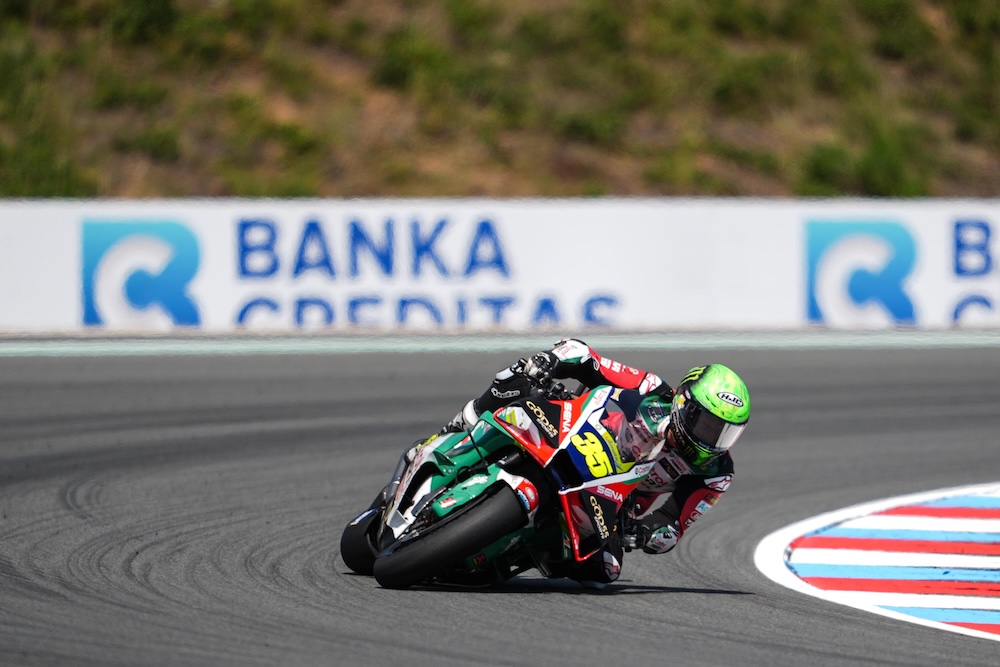
Veteran rider Cal Crutchlow, who stepped in for the injured Johann Zarco, said the sport should introduce a formal weather or heat protocol similar to Formula 1, arguing that current measures are not enough to protect riders in extreme conditions.
Temperatures at Brno were severe, with air temperatures exceeding 30°C and track temperatures reportedly reaching around 55°C during the sprint. Riders described the conditions as physically draining, especially in close racing where heat from multiple bikes added to the intensity.

Crutchlow said the experience was among the hottest of his career, highlighting how quickly fatigue and discomfort can build during a race. He also noted the added strain of riding in a pack, where heat and limited airflow make conditions even more difficult.
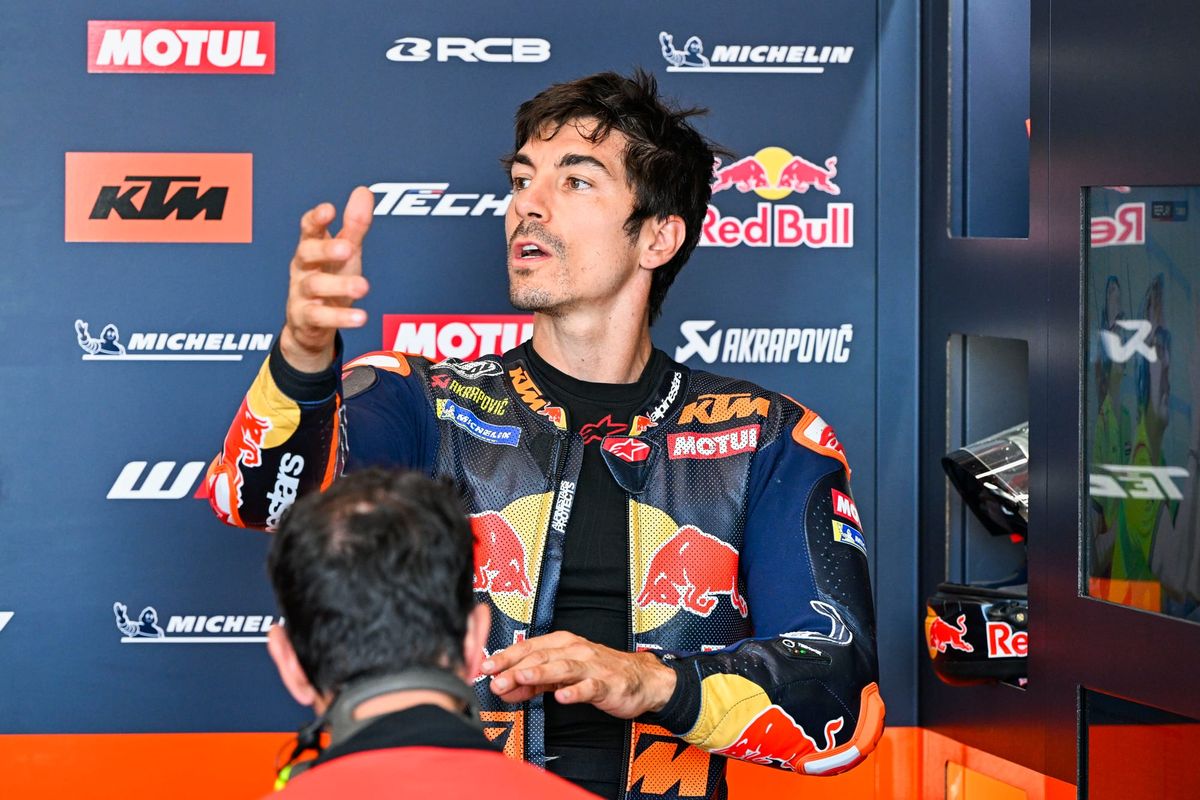
Reigning champion Marc Marquez also raised concerns about race-day procedures, pointing to long waits on the grid under extreme heat. He said the combination of high temperatures and delays before the start increases fatigue before riders even begin racing.
Formula 1 already operates a heat hazard system that can trigger additional safety measures, including cooling equipment for drivers when temperatures exceed set thresholds. This approach has been used in several recent races, offering a possible model for MotoGP to consider.
Crutchlow also pointed to a wider structural issue, saying riders lack a unified voice on safety matters. He suggested that competitive pressures and contractual concerns often prevent riders from collectively pushing for change, even when conditions are clearly dangerous.
The discussion has renewed focus on how MotoGP manages extreme weather, with growing calls for the championship to adopt clearer protocols to protect riders as climate conditions become increasingly challenging across race weekends.