


The NBA Hall of Fame welcomes a true titan this weekend in Doc Rivers, a figure whose unparalleled longevity and unwavering commitment have etched his name into basketball history. Few have "shown up" for the game quite like Rivers, whose journey from player to champion coach embodies resilience and leadership.
Key Points:
- Doc Rivers is set for enshrinement in the Naismith Memorial Basketball Hall of Fame, celebrating an extraordinary 43-season career.
- He ranks 6th all-time in NBA coaching victories (1,194) and 4th in playoff wins (114).
- Masterminded the Boston Celtics' iconic 2008 NBA Championship, forging a "Big Three" into a cohesive unit.
- Rivers' career spans playing for four teams, broadcasting, and coaching five different franchises, demonstrating incredible staying power.
A Legacy Forged in Longevity: Doc Rivers' Unprecedented NBA Journey
In the pantheon of NBA legends, few can rival the sheer duration and depth of involvement displayed by Glenn 'Doc' Rivers. His upcoming induction into the Naismith Memorial Basketball Hall of Fame is a testament to an astounding 43 years dedicated to the sport, a span that saw him contribute as a dynamic player, insightful broadcaster, and ultimately, an NBA champion coach. It's a career that epitomizes the Woody Allen quote: "Eighty percent of success is showing up."
Indeed, Rivers has shown up, time and time again. With 1,194 career wins, he sits comfortably as the 6th winningest coach in NBA history, alongside elite company. His 114 playoff victories further underscore his impact in crucial moments, placing him 4th all-time in that critical category. When combining his 864 games as a player with his staggering 2,060 coaching appearances, Doc Rivers' total involvement of 2,924 games is surpassed only by Hall of Famers Lenny Wilkens and Don Nelson, a truly exclusive club.
From Player to Sideline Architect: The Evolution of "Doc"
Before becoming a coaching legend, Doc Rivers carved out a respectable 13-year playing career as a tough-minded point guard. Drafted by the Atlanta Hawks in 1983, he earned an All-Star nod in 1988, connecting with teammates like Dominique Wilkins and forming a formidable backcourt with Randy Wittman. His time on the court, also playing for the Clippers, the Knicks, and the Spurs, provided an invaluable foundation for his future leadership roles.
It was a chance encounter at a summer camp that cemented his iconic nickname. Wearing a Julius 'Dr. J' Erving T-shirt, a young Glenn Rivers was introduced by Rick Majerus to broadcaster Al McGuire as "Doc," and the moniker stuck. This early connection to a legend foreshadowed his own eventual legendary status.
The transition from player to coach wasn't initially on Rivers' radar. However, mentors like his former Hawks coach Mike Fratello and especially Pat Riley, who famously urged him to "Get in the [expletive] fray!", saw his innate leadership potential. Riley’s direct challenge ultimately propelled Rivers from the broadcast booth back into the heart of the action.
Orchestrating Greatness: Coaching Triumphs and Challenges
Doc Rivers’ coaching journey began with immediate acclaim, marking him as a leader capable of extracting maximum effort from his rosters. His career is a tapestry of triumphs, near misses, and profound team building.
The "Heart and Hustle" Magic in Orlando
In 1999, Rivers took the reins of the Orlando Magic, inheriting a team devoid of star power. What followed was a masterclass in coaching, as the 37-year-old Rivers guided his "heart and hustle" squad to an unexpected 41-41 record. This remarkable overachievement earned him the 2000 Coach of the Year award, proving his immediate impact and innovative approach to leadership.
"My first year [coaching] probably was my most important one," Rivers recounted, emphasizing how the challenging roster forced him to be exceptionally creative and truly lead that motivated group.
Ubuntu & Banner 17: Celtics Dynasty Unlocked
The pinnacle of Rivers’ coaching career arrived with the Boston Celtics. After three challenging seasons, the dramatic acquisition of Kevin Garnett and Ray Allen in 2007, joining Paul Pierce, created an instant "Big Three." Rivers, however, faced the monumental task of uniting these alpha personalities.
He famously took them on a duck boat ride, previewing a championship parade, before laying out the necessary sacrifices. Garnett's selfless commitment to "take all 20 [shots]" set the tone for the team's "Ubuntu" culture – an ethos where individual success was intrinsically linked to collective achievement.
The result was a dominant 66-16 season, culminating in the cherished 2008 NBA Championship, a moment that etched Rivers into Celtics lore. This success, though, came with personal cost, as Rivers privately mourned his father's passing during the season, an emotional weight he carried to the very end of their championship celebration.
Navigating Storms: Clippers, Sixers, and Bucks Eras
Rivers' time with the Los Angeles Clippers saw him navigate both success and turmoil. He steered the "Lob City" era, featuring stars like Chris Paul, Blake Griffin, and DeAndre Jordan, to six playoff appearances in seven years. Crucially, he rallied the team through the unprecedented scandal involving former owner Donald Sterling, showcasing remarkable leadership during a franchise-defining crisis. While the Clippers couldn't break through to the Conference Finals, Rivers' consistent ability to build winning regular season teams (356-208) was evident.
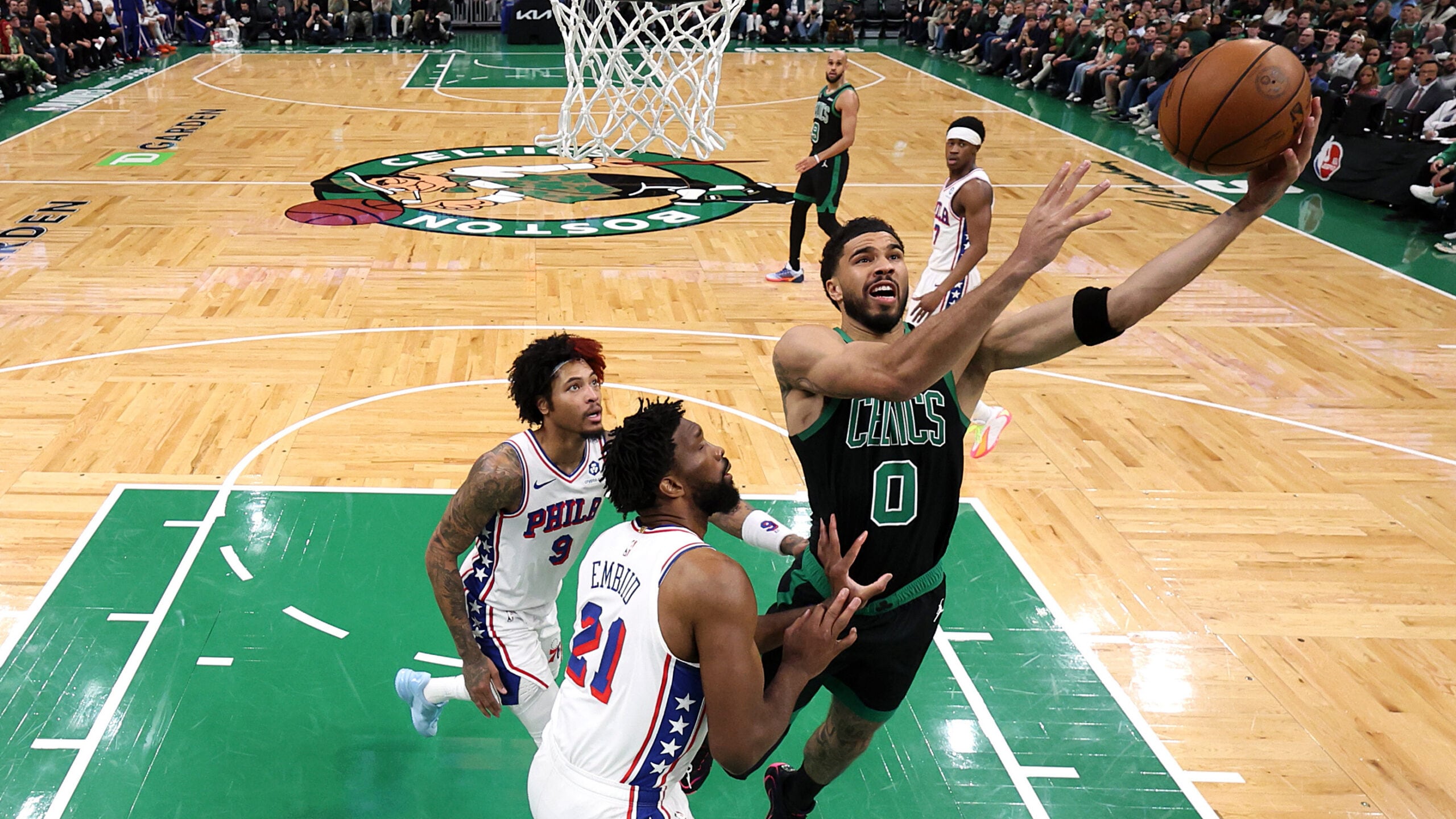
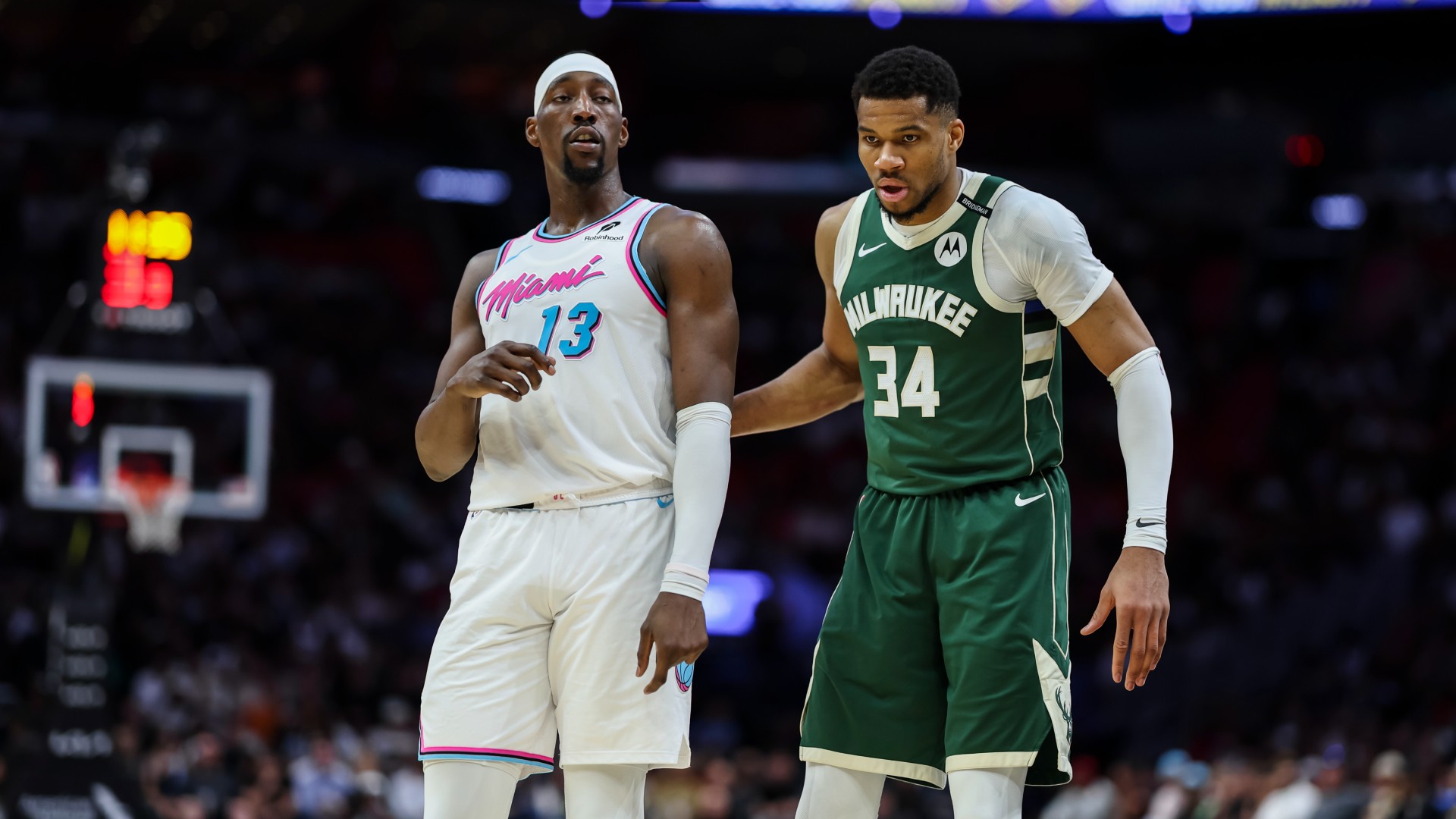
His subsequent stints with the Philadelphia 76ers and Milwaukee Bucks presented different challenges. In Philadelphia, he coached a talented but often volatile roster with Joel Embiid, Ben Simmons, and later James Harden, falling short in Game 7s against the Atlanta Hawks and Boston Celtics. A brief, unexpected mid-season move to the Milwaukee Bucks, again with championship aspirations driven by Giannis Antetokounmpo and Damian Lillard, also ended prematurely due to injuries and team struggles. Despite these endings, Rivers' ability to consistently land top coaching jobs speaks volumes about his respected stature in the league.
Beyond the Bench: A Lasting Impact
As Doc Rivers prepares for his rightful place in the Hall of Fame, he reflects not just on his own achievements, but on the vast network of people who contributed to his storied career. "It’s amazing how many players have called me," he shared, underscoring the deep connections he forged. He recognizes that "no one does anything like this by themselves," crediting former coaches, players, and assistants like Ty Lue and Tom Thibodeau for their collective wisdom.
At 64, Rivers embraces a new chapter, enjoying time with his four children and golfing with friends like tennis legend Pete Sampras. While he's open to future opportunities in broadcasting or a front office role, his coaching days are likely behind him. His enshrinement is a powerful affirmation of a career built on passion, presence, and an enduring commitment to the game. Doc Rivers didn't just show up; he fundamentally shaped the NBA for over four decades, leaving an indelible mark that will inspire generations to come.