
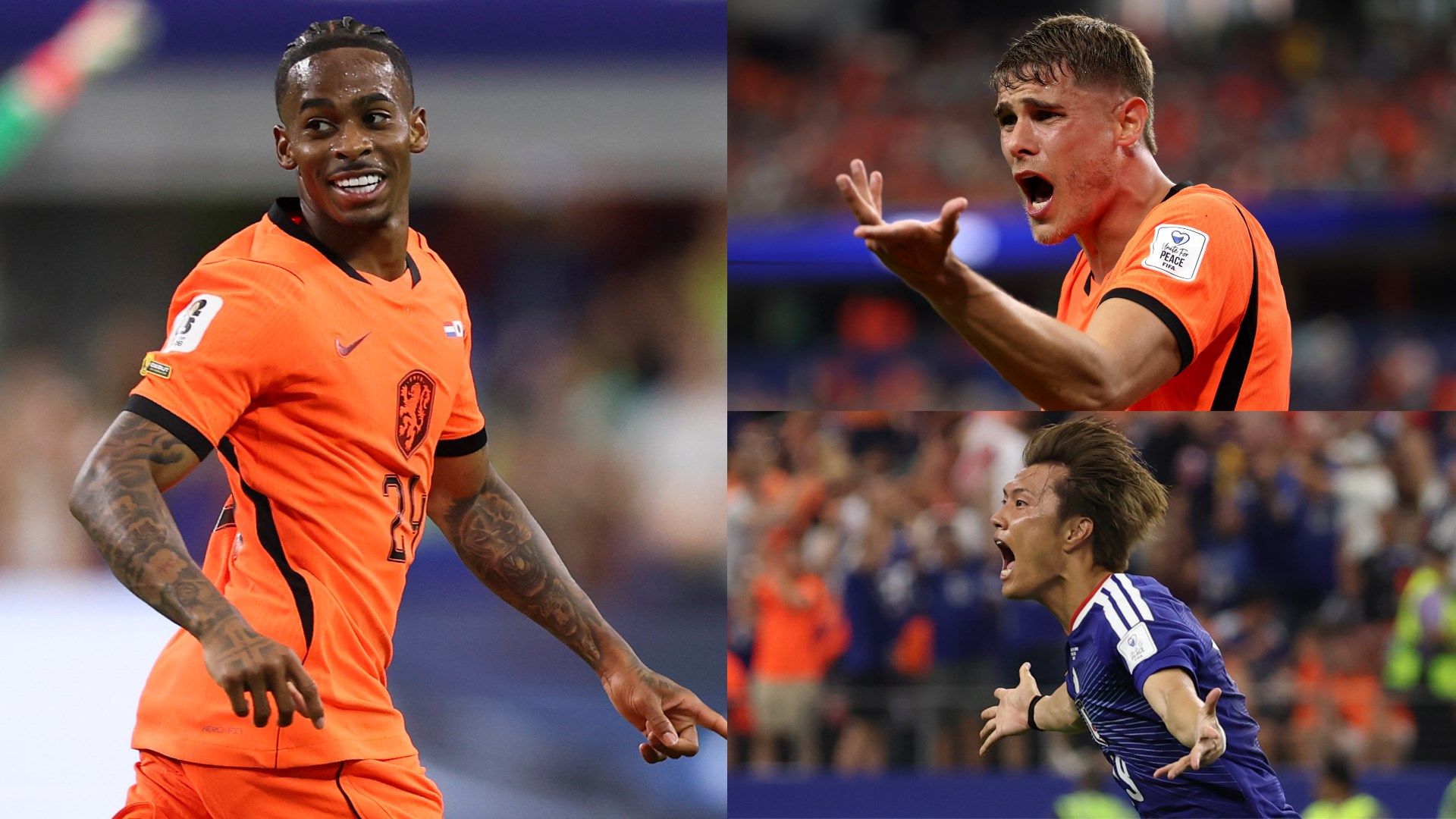

Oranje's Opening Wobble: A Frustrating Draw
The Netherlands delivered a performance that swung from moments of individual brilliance to baffling tactical caution, ultimately squandering two leads against a tenacious Japan side in their World Cup 2026 opener. Despite a dazzling strike from Crysencio Summerville, defensive lapses and a lack of adventurous play left fans questioning Ronald Koeman's strategy.
Key Points:
- The Dutch were held to a 2-2 draw by Japan, twice letting a lead slip.
- Crysencio Summerville provided a vital goal, showcasing his individual quality.
- Manager Ronald Koeman faced criticism for his team's cautious approach and late substitutions.
- Defensive errors, including a misjudgment from Bart Verbruggen, proved costly.
Oranje's Opening Wobble: A Frustrating Draw
The Netherlands began their World Cup 2026 campaign with a deeply frustrating 2-2 draw against a spirited Japan. What promised to be a routine three points quickly became a lesson in the dangers of complacency, as Ronald Koeman's side struggled to maintain control despite twice taking the lead. The result leaves the Oranje needing a significant improvement in their upcoming group stage fixtures.
Early Promise, Defensive Frailties
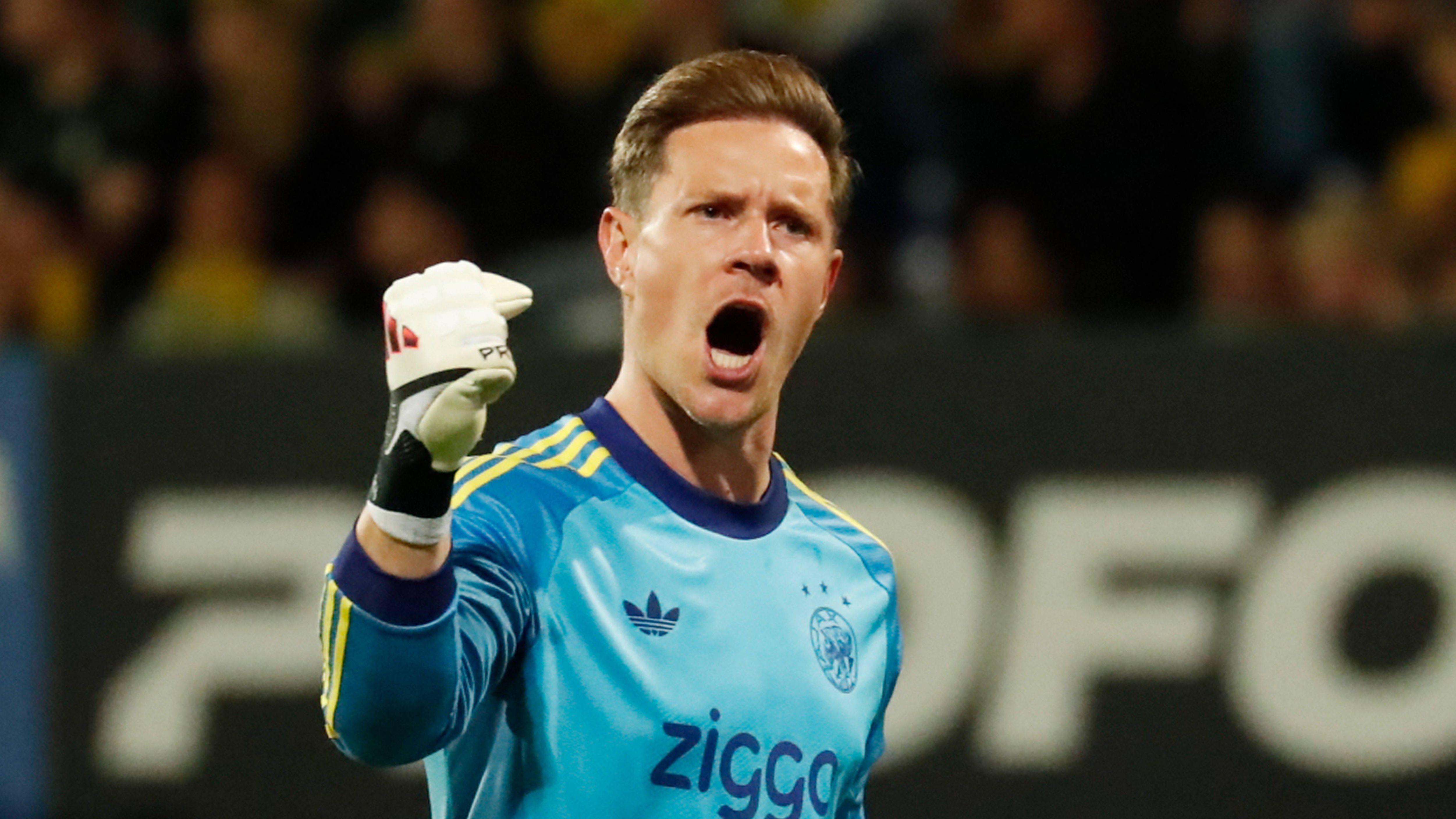
The game kicked off with Virgil van Dijk putting the Dutch ahead with a well-directed header, a testament to his aerial prowess. The setup came from Ryan Gravenberch, who, despite a mixed performance, registered two assists. However, the lead was short-lived. Japan's first equalizer came through Nakamura, with the shot deflecting off Jan Paul van Hecke and sneaking past goalkeeper Bart Verbruggen, who had little chance. The second equalizer, however, saw Verbruggen perhaps deserving more scrutiny, as he failed to decisively deal with Kamada's strike.
Summerville's Spark Amidst the Stutter
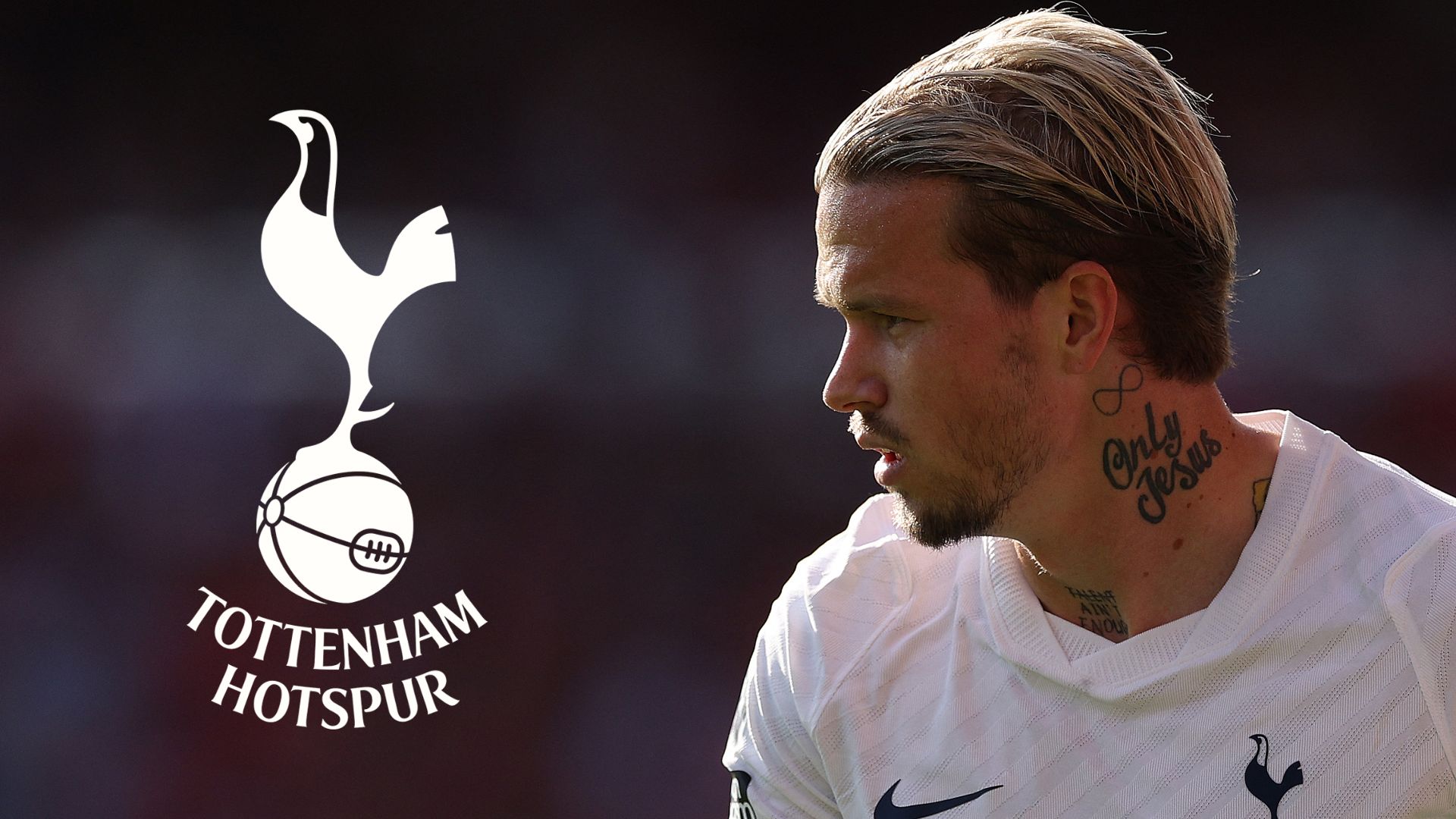
As the Netherlands sought to regain momentum, it was Crysencio Summerville who provided a crucial spark. Showing quick feet and decisive finishing, he took it upon himself to restore the Dutch lead with a fine individual effort. While Donyell Malen had looked the most potent threat in the first half, fading after the break, Summerville's moment of magic offered a glimmer of the attacking potential within the squad. Unfortunately, Cody Gakpo often chose to recycle possession rather than drive forward, hindering the offensive flow.
Koeman's Conundrum: Too Cautious?
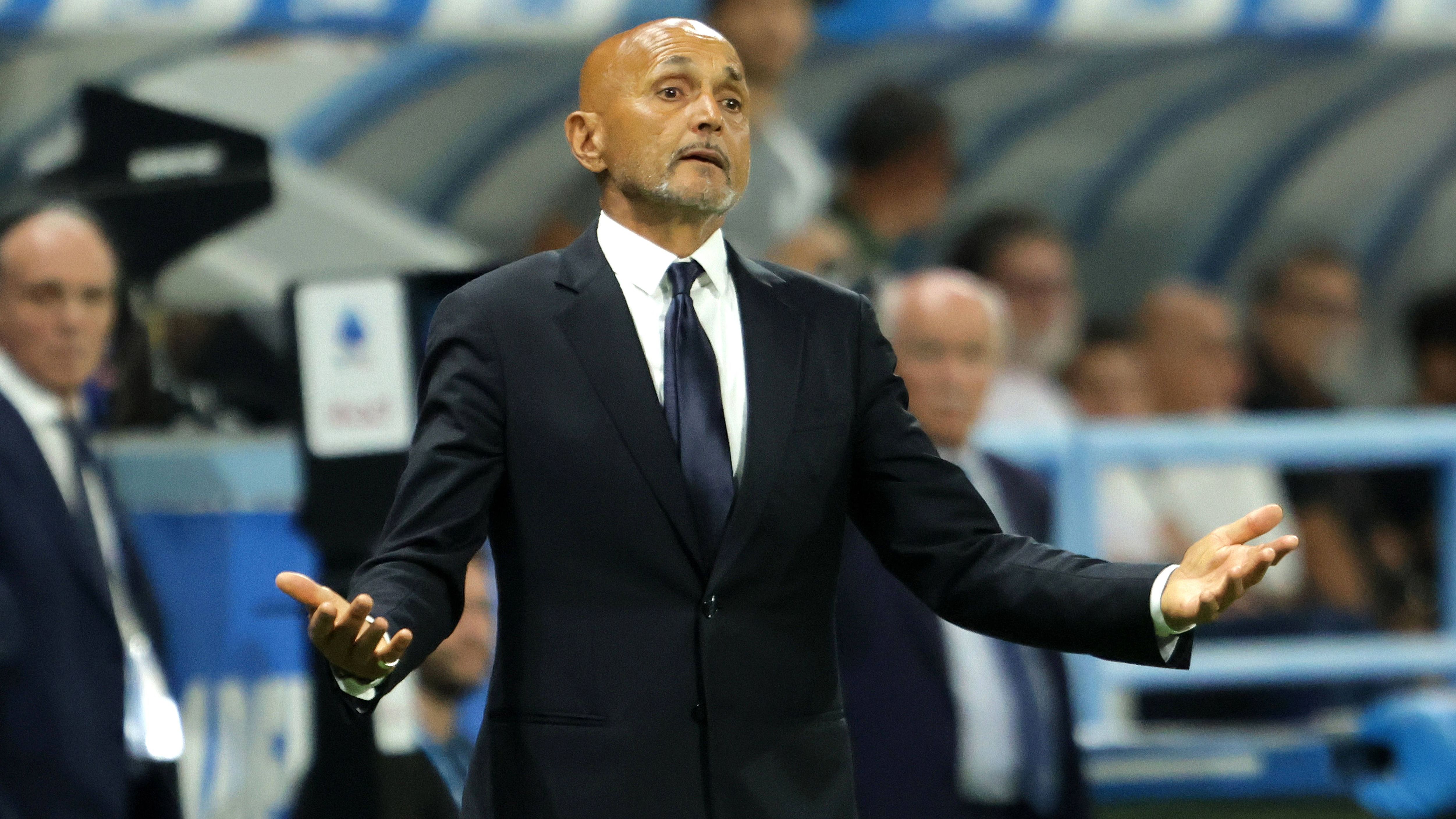
Much of the post-match analysis focused on manager Ronald Koeman's tactics. His team's perceived lack of adventure in the first half was a major concern, failing to fully utilize the attacking width that players like Denzel Dumfries could offer. In midfield, Frenkie de Jong knitted play together, but without his usual dynamism, while Tijjani Reijnders offered little beyond set-piece deliveries. Koeman's substitutions, including bringing on Memphis Depay and Teun Koopmeiners, failed to inject the necessary energy or control, ultimately proving costly as Japan snatched a late point. This performance highlights areas where the Netherlands desperately need to evolve to compete at the highest level.
Player Performances Under the Microscope
Individually, some Dutch players delivered solid shifts, while others struggled to meet expectations. Virgil van Dijk was mostly composed, leading by example and opening the scoring. However, Bart Verbruggen's handling of Japan's second goal will be scrutinized. Denzel Dumfries wasn't allowed to be his usual marauding self, and Micky van de Ven appeared uncomfortable in a full-back role. In midfield, Ryan Gravenberch had a mixed night, claiming assists but also allowing the game to pass him by at times, a sentiment shared by Frenkie de Jong, who lacked his customary influence.
Upfront, Crysencio Summerville was undoubtedly a standout, providing the individual brilliance the team craved. Conversely, Cody Gakpo seemed hesitant, often turning back rather than taking on defenders. Substitutes like Memphis Depay, Teun Koopmeiners, and Quinten Timber struggled to make an impact, underscoring the team's overall lack of rhythm. For Koeman, it's back to the drawing board to find a more cohesive and assertive approach for the challenges ahead.