

A Legacy Forged in Silverware
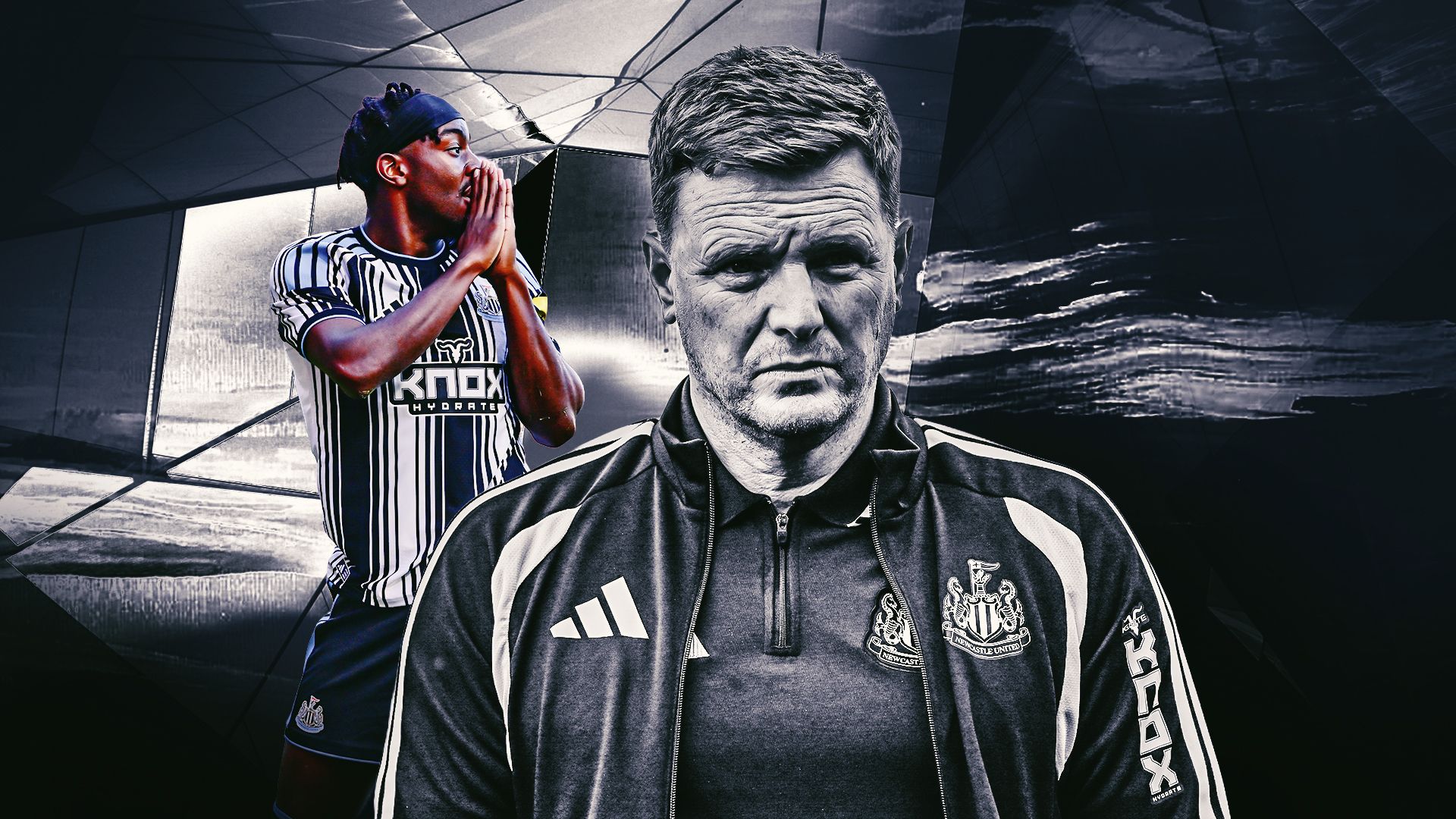
Eddie Howe arrived in 2021 with Newcastle United languishing in 19th place, staring down relegation. His impact was immediate and transformative. Not only did he comfortably steer the club clear of the drop, but he astonishingly guided them back to the Champions League in the 2022-23 and 2024-25 seasons.
Yet, it was the 2025 Carabao Cup final victory over league winners Liverpool at Wembley that truly cemented his place in Newcastle folklore. This monumental triumph ended the club's 70-year wait for a major honour, making the Toon Army dream again.
The Summer of Discontent: A Transfer Market Meltdown
The trophy drought's end should have been a launchpad for Newcastle United to challenge for the Premier League title. Instead, the summer 2025 transfer window proved catastrophic, setting the stage for Howe's eventual departure.
The Costly Departure of a Talisman
At the heart of the crisis was the desperate, ultimately futile, struggle to retain star striker Alexander Isak. His British-record move to Liverpool on deadline day left a gaping hole in Newcastle's attack that was never adequately filled. The club also saw priority attacking targets like Hugo Ekitike, Benjamin Sesko, and Joao Pedro slip through their fingers to rival Premier League clubs.
High Stakes, Low Returns: Flawed Recruitment
To compound matters, the players Newcastle did bring in for an eye-watering sum largely flattered to deceive. Nick Woltemade, Yoane Wissa, and Anthony Elanga combined for a staggering £180 million, yet failed to justify their price tags due to form and fitness issues. Striker Wissa managed a solitary league goal all season, while Woltemade's goals dried up after Christmas. £43 million midfielder Jacob Ramsey also struggled to adapt, hampered by an ankle injury. Howe himself, heavily involved in recruitment plans, had to shoulder some of the blame for these missteps.
A Season Plagued by Underperformance
The disastrous transfer window bled directly into a miserable 2025-26 season. A promising start in the league quickly evaporated, giving way to a dramatic collapse after the turn of the year. Newcastle’s form nosedived in the second half of the campaign, with the Magpies losing 10 of their 16 matches between late January and the end of the season, sliding from sixth place to 12th in the final standings.
The struggles extended beyond the Premier League. Their FA Cup campaign and Carabao Cup defence were both ended by Manchester City, while their Champions League journey came to a brutal conclusion at the hands of Barcelona, who dismantled Newcastle 8-3 on aggregate in the last 16.
With performances declining and frustration growing among supporters, questions surrounding Howe’s future intensified. Despite guiding Newcastle through one of the most successful periods in recent history, the manager found himself battling against circumstances beyond the pitch.
A Squad Torn Apart
Ultimately, Howe’s departure was not solely a result of disappointing results, but also the continued erosion of the squad he had carefully built. After missing out on European football, Newcastle were expected to face significant player departures, and those fears quickly became reality.
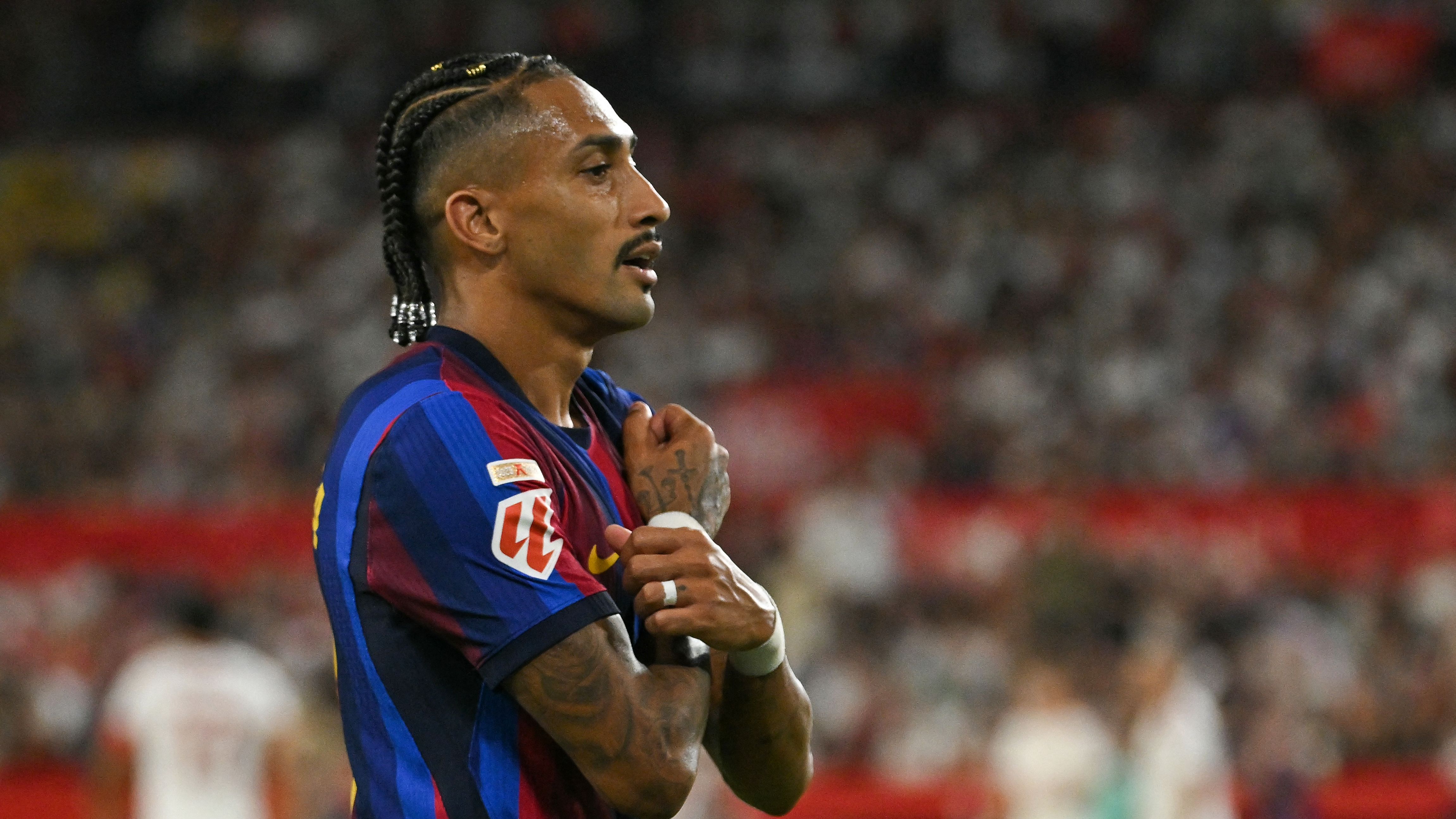
Anthony Gordon became the first major exit, joining Barcelona in a £69 million deal, before midfielder Sandro Tonali followed him out of the door with a blockbuster £100 million move to Tottenham. Veteran leader Kieran Trippier also departed at the end of his contract, removing another influential figure from the dressing room.
The potential loss of captain Bruno Guimaraes added further uncertainty. With Arsenal pushing for his signature, Howe reportedly feared that another key pillar of his squad could leave, despite Newcastle’s public stance that they would resist offers.
For a manager hoping to rebuild and compete at the highest level, watching his best players leave without immediate replacements proved increasingly difficult.
A Different Direction Under PIF
Newcastle’s transfer strategy also highlighted a shift in ambition. Rather than replacing departing stars with proven Premier League talent, the club focused on younger, high-potential signings, including Bazoumana Toure, Sean Steur, and Aladji Bamba, who arrived for a combined fee exceeding £100 million.
While the approach aligns with long-term squad building, it offered little immediate support for Howe, who was tasked with maintaining Newcastle’s competitiveness while integrating inexperienced additions.
Behind the scenes, financial pressures also played a role. Newcastle continued navigating the Premier League’s Profit and Sustainability Rules, while uncertainty surrounding the Public Investment Fund’s wider priorities raised questions about the club’s future spending power.
Despite assurances that Newcastle remained an important part of PIF’s vision, the reduced willingness to invest heavily in established stars created doubts over whether the club was still moving at the same pace as before.
A Difficult Goodbye, But an Unforgettable Legacy
For all the turbulence surrounding his exit, Eddie Howe leaves Newcastle United as one of the most influential figures in the club’s modern era.
He inherited a team fighting relegation and transformed them into Champions League contenders, restoring belief among supporters who had endured years of disappointment. His greatest achievement came at Wembley, where he delivered the club’s first major trophy in seven decades and created a memory that will forever be cherished by the Toon Army.
Although his final chapter ended amid frustration and uncertainty, Howe’s contribution cannot be defined by one difficult season. He rebuilt Newcastle’s identity, brought European nights back to St James’ Park, and gave supporters a reason to dream again.
Now, incoming head coach Matthias Jaissle faces the enormous challenge of rebuilding a squad in transition and guiding Newcastle into an uncertain new era. For Howe, however, his place in Newcastle history is already secure.