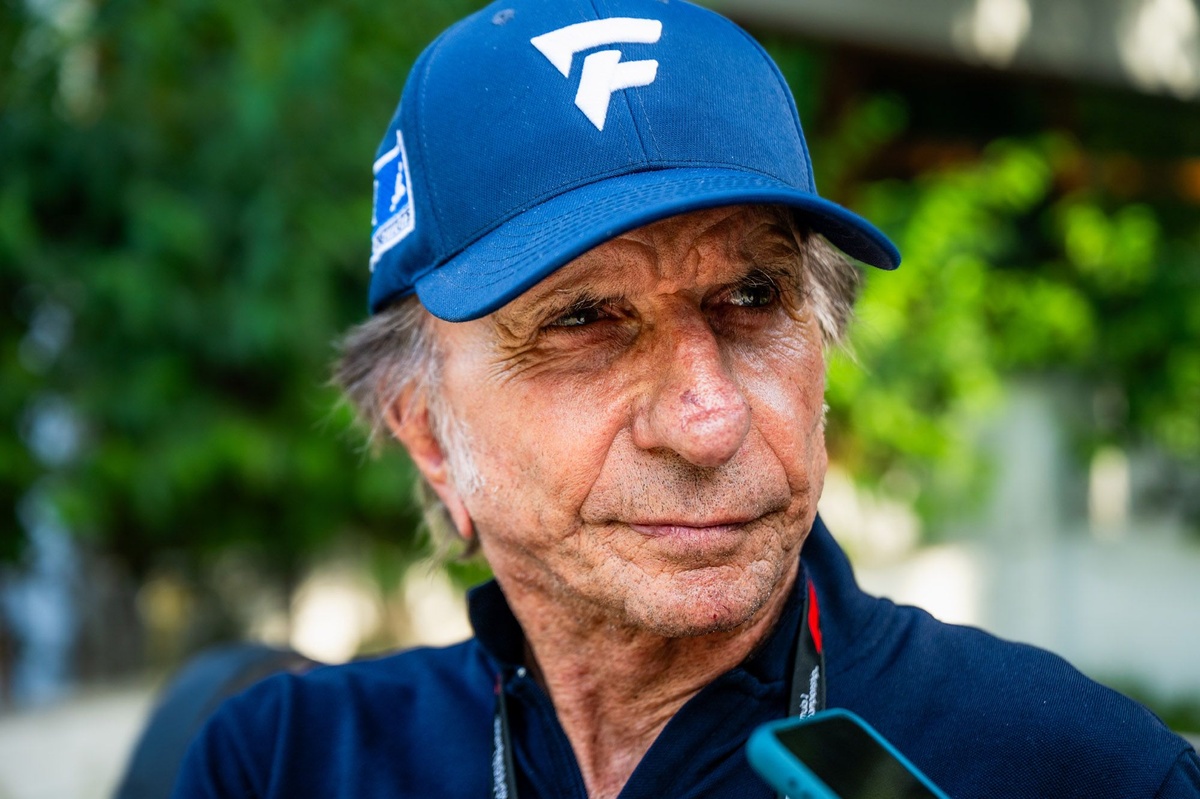

The world of Formula 1 has always been unforgiving, but few stories exemplify resilience and the brutal hand of fate quite like Emerson Fittipaldi's ascent at Team Lotus in 1970. A young, ambitious driver suddenly thrust into the spotlight by an unspeakable tragedy, Fittipaldi not only survived the pressure cooker but thrived, etching his name into racing legend.
Key Takeaways from Fittipaldi's Lotus Debut:
- Emerson Fittipaldi, then 23, was an F1 rookie when he suddenly became Team Lotus's lead driver after Jochen Rindt's fatal accident in 1970.
- Lotus boss Colin Chapman showed immense faith, offering Fittipaldi the top seat despite his inexperience.
- Fittipaldi responded by winning his first Grand Prix at Watkins Glen, solidifying Rindt's posthumous championship and Lotus's constructors' title.
- Chapman's leadership, often perceived as cold, was deeply affected by the loss of drivers like Jim Clark and Jochen Rindt.
The Unforeseen Ascent: From Rookie to Team Leader
Before 1970, Brazil had never produced a significant Formula 1 driver. Enter Emerson Fittipaldi, a rising star who had conquered every junior category from Formula Vee in Brazil to Formula 3 and Formula 2 in Europe. His talent was undeniable, and a call-up to Lotus for an F1 debut mid-season was the natural progression.
However, fate took a grim turn at the 1970 Italian Grand Prix. Championship leader and Lotus superstar Jochen Rindt suffered a fatal crash during qualifying. The paddock was stunned; Team Lotus was left reeling, losing its charismatic lead driver just hours after Rindt had offered Fittipaldi his F2 seat.
With John Miles also departing in the wake of the tragedy, a monumental decision loomed for team boss Colin Chapman. Against conventional wisdom, Chapman chose the 23-year-old rookie Emerson Fittipaldi to lead the legendary Team Lotus. It was a staggering show of faith, placing an immense burden on untested shoulders.
Carrying the Weight of Lotus: Pressure and Performance
Fittipaldi openly admitted his apprehension, telling Chapman, "I was expecting to get someone experienced to be number-one driver." Chapman's response was definitive: "Emerson, you will be our number-one driver. We are going to support you 100%." This unwavering backing was crucial for the young Brazilian.
The pressure was immense, stepping into the shoes of a "fantastic driver" like Jochen Rindt. Yet, Fittipaldi channeled it positively. In an almost unbelievable display of composure, he claimed his maiden Grand Prix victory at Watkins Glen in the very next race. This triumph not only secured Team Lotus's fourth constructors' title but also ensured Jochen Rindt was posthumously crowned the 1970 F1 Drivers' Champion – a testament to the team's collective strength and Fittipaldi's immediate impact.
The Genius and the Grief: Colin Chapman's Burden
Behind the analytical genius and fierce ambition of Colin Chapman was a deeply human side, one scarred by the inherent dangers of racing. Emerson Fittipaldi revealed how Chapman privately struggled with the loss of his drivers, particularly Jim Clark in 1968, whom he regarded as "like a son."
Chapman's fear of losing another driver was palpable. After Fittipaldi secured the 1972 F1 World Championship for Lotus, Chapman confided his concerns, telling him, "Emerson, I don't want to get very close to you, I am afraid one day I can lose you."
The stark admission offered a different perspective on a team boss often perceived as cold and detached, revealing the profound emotional toll of leading a team in a pioneering yet perilous era of motorsport.
A Legacy Forged in Fire: The Survivor's Perspective
Emerson Fittipaldi's time at Lotus was exceptionally successful, culminating in nine victories across 42 starts and a dominant 1972 championship season. Yet, the dangers of the era left an indelible mark on him. Fittipaldi has often reflected on the perilous nature of 1970s Formula 1, when close friends and rivals were lost with tragic regularity.
"We are survivors," Jacky Ickx once told him, a sentiment that resonates deeply with those who raced during that brutal yet exhilarating period.
Fittipaldi's journey from rookie to world champion, shaped by an era marked by unimaginable tragedy, stands as a powerful story of courage, adaptation and the enduring human spirit in the face of motorsport's highest stakes.