

Enrique's PSG Outwits Flick's Barcelona in Tactical Thriller
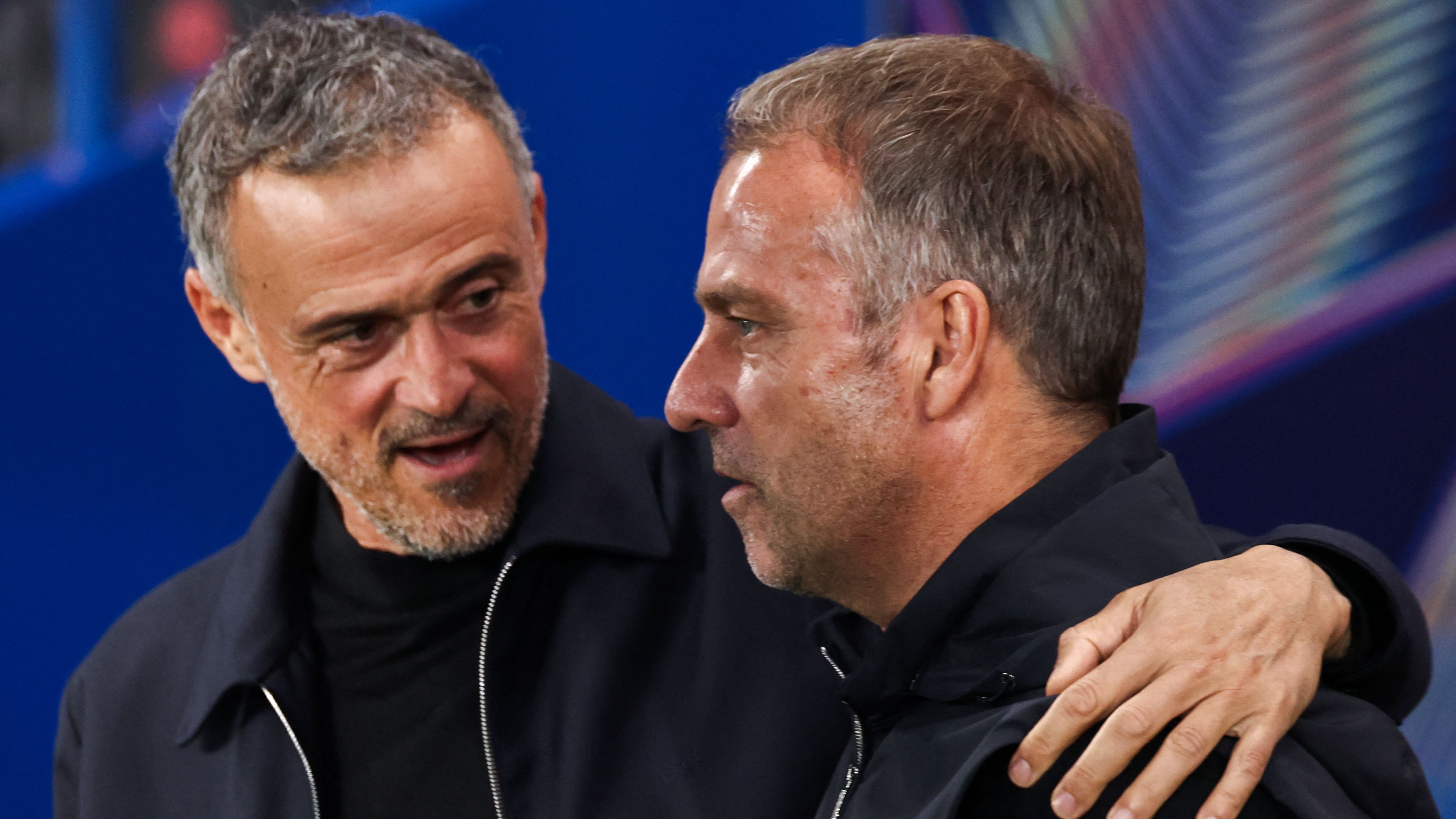
The Parc des Princes bore witness to a tactical demolition job, as Paris Saint-Germain, under the shrewd guidance of Luis Enrique, delivered a masterclass in counter-punching football, leaving Barcelona reeling from a dramatic late collapse. This wasn't just a win; it was a statement, showcasing PSG's evolving identity and ruthless efficiency against Hansi Flick's high-pressing, yet ultimately vulnerable, Barcelona.
Key Takeaways from the Tactical Showdown:
- PSG's Luis Enrique prioritized vertical directness and lethal transitions over sustained possession, exploiting Barcelona's aggressive high line.
- Barcelona's intricate build-up and territorial control proved sterile, with their defense fatally exposed in the closing minutes.
- PSG demonstrated remarkable resilience, absorbing injuries to key players and an equalizer before delivering a devastating two-goal counter-punch.
- Clinical finishes from Vitinha and Fabian Ruiz sealed the victory, highlighting PSG's superior efficiency in the final third.
Enrique's Vertical Blitz: PSG's Attacking Philosophy Unveiled
Luis Enrique deployed a fluid 4-3-3 formation for Paris Saint-Germain that prioritized speed and directness. In a clever tactical twist, Achraf Hakimi frequently inverted into central midfield positions during the build-up, allowing PSG to morph into a 3-2-2-3 in possession. This stretched Barcelona's defense wide, creating space centrally.
This verticality paid dividends early. Desire Doue capitalized on a link-up play to fire PSG ahead from outside the box in the 38th minute, bypassing Barcelona's first line of press. Despite further opportunities and hitting the woodwork multiple times, PSG found themselves needing to dig deep after the break.
Flick's Barca: Possession Without Punch
Hansi Flick's Barcelona began with a 4-3-3 that often shifted into a 4-2-3-1, aiming to suffocate PSG with a double pivot of Pedri and Bernal. Their strategy relied on intricate "third-man runs" to penetrate PSG's compact block, a tactic that eventually bore fruit.
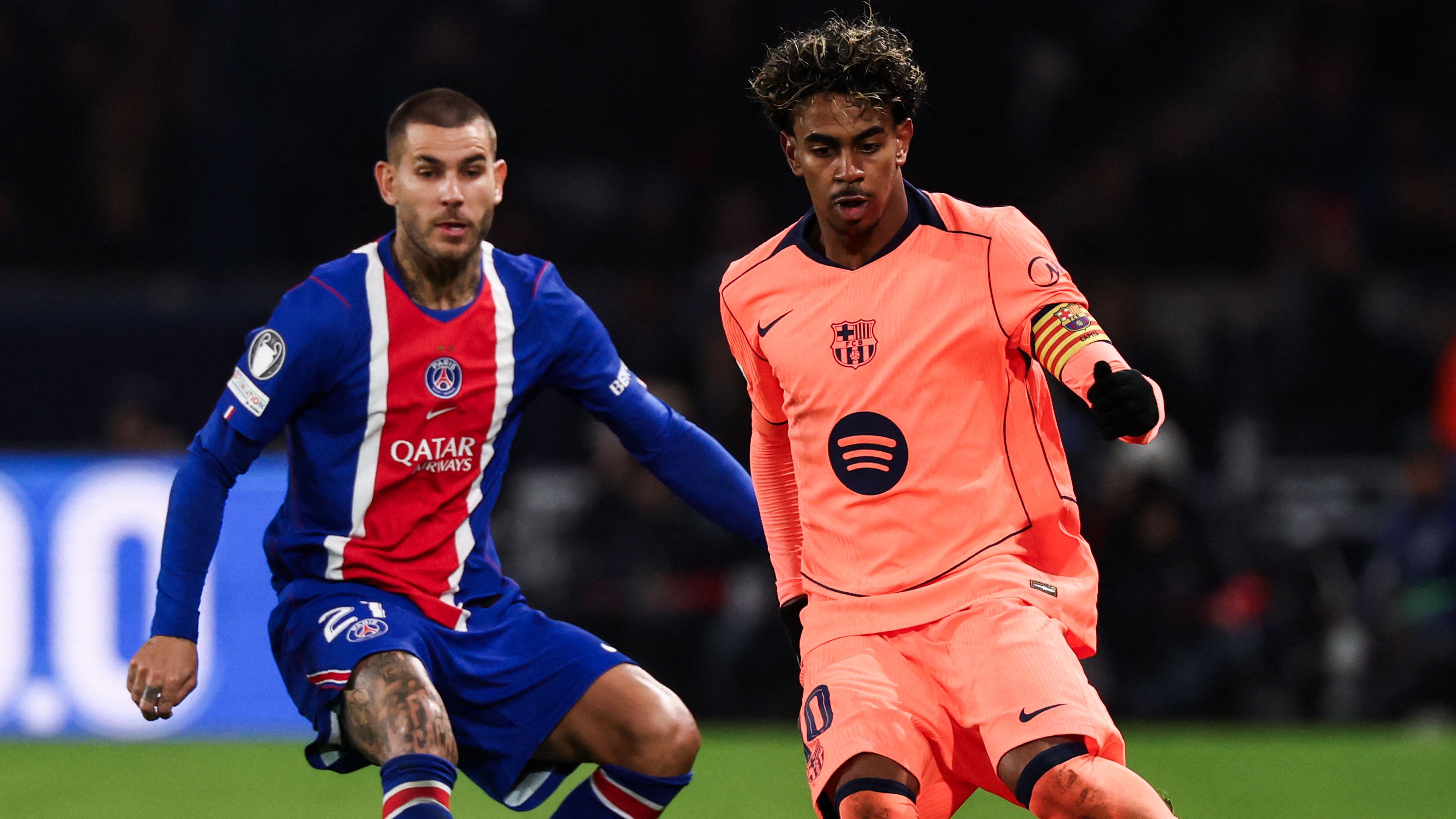
Fermin Lopez, operating as a central pivot, drew defenders and allowed Xavi Espart to slip in behind for Barcelona's equalizer in the 55th minute. While Lamine Yamal sought to isolate Lucas Hernandez on the flank, Enrique's gamble to start Hernandez paid off initially, as the French defender largely neutralized Yamal and even scored a vital header in the 72nd minute.
The Midfield War: A Contrast in Attacking Efficiency
The true turning point lay in the transition phases and attacking efficiency. Astonishingly, both teams registered the exact same number of touches inside the opposition box. However, what they did with those touches was worlds apart.
PSG were relentlessly direct and clinical, generating an impressive 15 shots on target from 22 attempts. In stark contrast, Barcelona's painstaking build-up yielded just 5 shots on target. Luis Enrique's tactical genius was evident as he willingly ceded 47% possession, luring Barcelona into a false sense of security and setting the stage for their late structural collapse.
Injury Crisis & Tactical Gambles: Resilience Under Pressure
PSG's victory was a testament to their extraordinary psychological resilience. Losing three undisputed starters – Ousmane Dembélé, Khvicha Kvaratskhelia, and captain Marquinhos – would cripple most teams. Yet, Enrique's men reshaped their spine and continued to fight.
Barcelona also faced challenges, with Dani Olmo's first-half injury. Flick responded by introducing Rodri, Gavi, and Karim Adeyemi to establish control. While Rodri helped Barcelona dominate second-half possession, this territorial control remained largely sterile, lacking a decisive cutting edge.
The Final Blow: Barca's High Line Crumbles
The game reached its crescendo with Enrique's decisive late substitutions. In the 78th minute, he withdrew Hernandez and Doue for Warren Zaire-Emery and Senny Mayulu. This shift, combined with a poor clearance from Zaire-Emery, allowed Lamine Yamal to grab an equalizer in the 79th minute, making it 2-2.
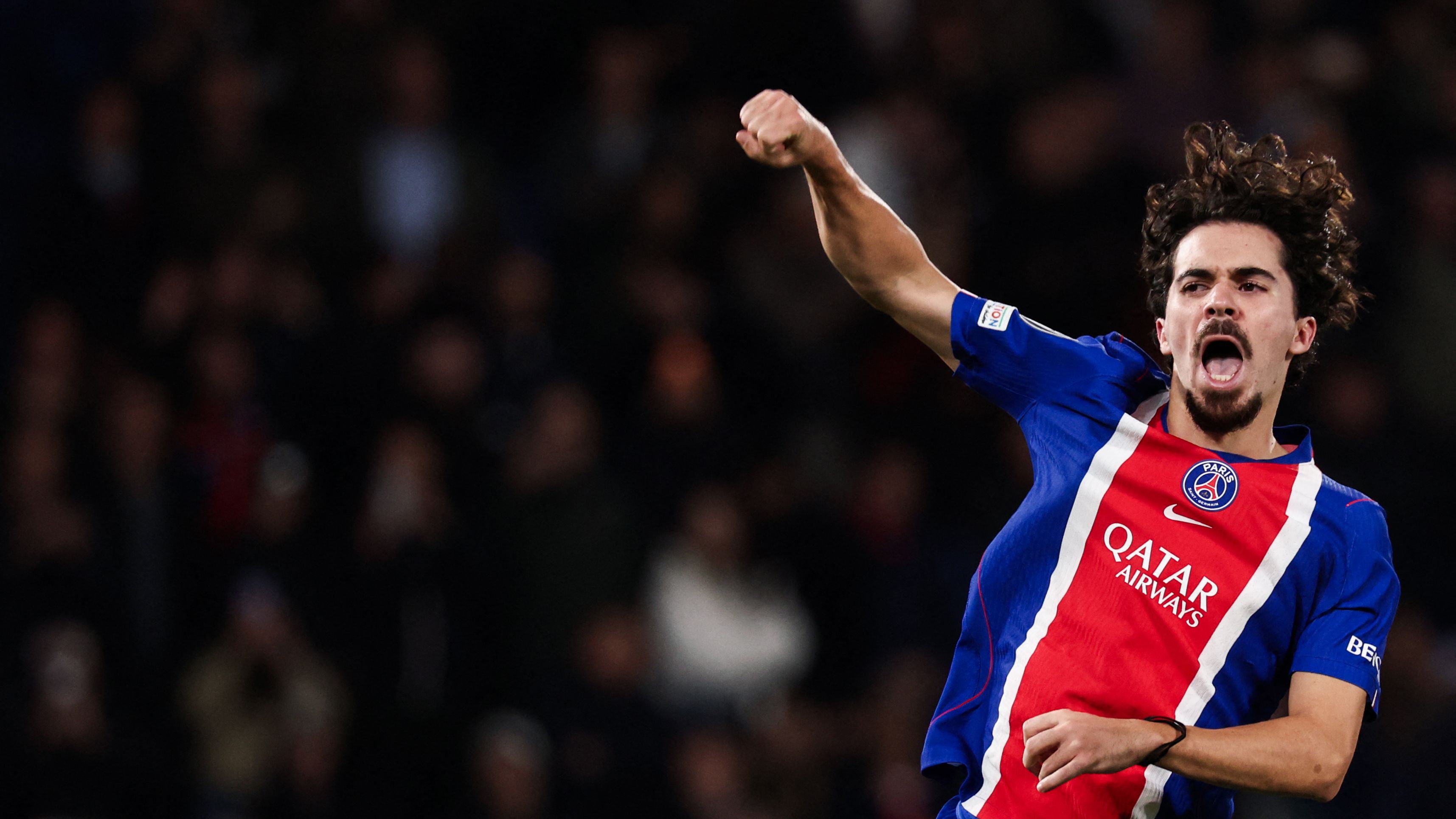
Crucially, PSG refused to buckle. As Barcelona pushed higher for a winner, their exhausted midfield could no longer protect the high defensive line. PSG's direct passing lanes bypassed the press, and the clinical counter-punch arrived. Vitinha unleashed a sublime 81st-minute volley, followed by Fabian Ruiz's clinical 86th-minute finish from Hakimi's sharp cutback. These goals were direct consequences of an overextended Barcelona defense collapsing under vertical runs.
Verdict: A Tactical Masterclass Unfolds
Ultimately, Barcelona's late-game collapse was the anatomy of Luis Enrique's "chaos theory" coming to fruition. His willingness to sacrifice possession and relentlessly punish an aggressive high line proved to be the decisive factor. While Hansi Flick's tactical identity provided territorial control, pushing forward without a safety net in the final ten minutes left Barcelona fatally exposed. PSG's ruthless verticality, structural resilience, and mental fortitude decisively dismantled Barcelona's sterile possession when it mattered most, solidifying their status as true contenders.