
While the 2026 Formula 1 engine regulations continue to ignite fierce debate, it's time to shift our focus to the unsung heroes: the chassis rules. These regulations are quietly delivering an aerodynamic revolution, spearheaded by the intelligent reintroduction of bargeboards, promising a future of genuinely closer racing.
- F1 2026 chassis regulations are lauded for producing lighter, more agile cars.
- The re-engineered bargeboards are central to managing "dirty air" and promoting "inwash."
- Teams like Red Bull, Mercedes, Ferrari, and McLaren are pioneering diverse aerodynamic solutions.
- The ultimate goal is to enable drivers to race closer and overtake more effectively.
The Great Divide: Engine vs. Chassis
It's no secret that the 2026 F1 powertrain regulations have been a hotbed of controversy. The complex 53-47 split between internal combustion and electric power has sparked widespread discussion. However, amidst this technical tempest, the 2026 F1 chassis rules shine as a beacon of progress, largely embraced by drivers and engineers alike.
The goal was simple yet ambitious: craft a more 'nimble' machine. A car that truly highlights driver skill, rather than being dictated by turbulent air. By all accounts, the lighter, more compact dimensions of the new F1 cars are hitting the mark, setting the stage for what could be a golden era of on-track battles.
Reinventing the Airflow Battle: The Return of the Bargeboard
The specter of 'dirty air' has long plagued Formula 1, hindering close-quarters racing. Previous attempts, like the 2022 ground effect rules, aimed to reduce turbulence but often fell short, even diminishing the effectiveness of DRS. Drivers often grappled with front-end downforce loss and overheating tires, a frustrating cycle.
Enter the reformed bargeboards for F1 2026. Once considered an aero villain, contributing to chaotic 'outwash,' these components have been completely re-imagined. Their new mandate is clear: cultivate 'inwash' and meticulously manage the 'tyre wake,' directing it precisely between the gearbox and the rear wheels. This innovative approach aims to package the disruptive wake within the car's own profile, rather than spewing turbulence sideways, significantly impacting how closely cars can follow each other.
Williams chief aerodynamicist, Juan Molina, emphasizes this critical shift: 'They are trying to keep the dirty air from the tyre as inboard and as high as possible so it doesn't affect the car behind.' This commitment to clean airflow is what differentiates the 2026 F1 aerodynamics.
Unpacking the Aero Masterclass: Three Design Philosophies
With the new F1 2026 regulations, teams have wasted no time in exploring diverse interpretations of the reformed bargeboards. Early races reveal three primary design philosophies emerging across the grid, each a testament to the ingenuity of F1 aerodynamics specialists.
The Triple-Slat Innovators: Mercedes, Red Bull & Audi
Teams like Mercedes, Red Bull Racing, and Audi are championing a triple-slat design. These bargeboards, typically mounted on an extruded floor section, feature three elements of roughly equal chord length. The crucial angling of these pieces helps lift airflow and even generates a subtle amount of load. The lower two elements primarily manage vertical airflow, while the uppermost slat expertly conditions the flow towards the rear of the car.
Red Bull's intricate designs, for instance, showcase internal fins and strategically placed brackets. These seemingly minor details are engineered to amplify the 'flick-up' effect, further guiding airflow around the sidepods and extracting every last drop of performance from the new 2026 F1 aero package.
Hybrid Designs: Ferrari, Haas & Racing Bulls' Approach
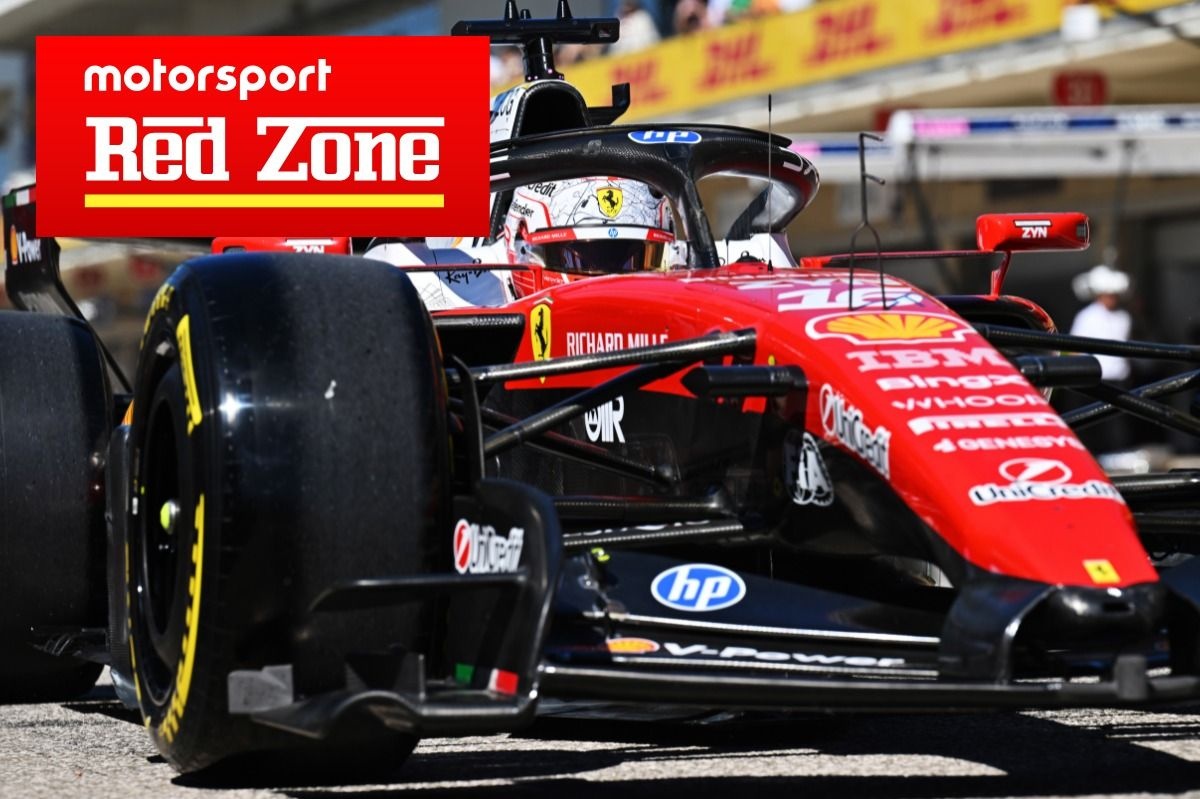
A slightly different path is being forged by Ferrari, Haas, and Racing Bulls. While also utilizing a triple-slat concept, their design incorporates an additional vertical leading-edge element. This forward component acts as a pre-conditioner for the airflow, preparing it before the main slats tackle the complex 'tyre wake' turbulence. Intriguingly, some variations, like Alpine's hybrid design, show a slight twist at the top of this vertical element, subtly reintroducing a tiny degree of 'outwash' control.
The Maxi-Panel Strategy: McLaren, Aston Martin & Williams
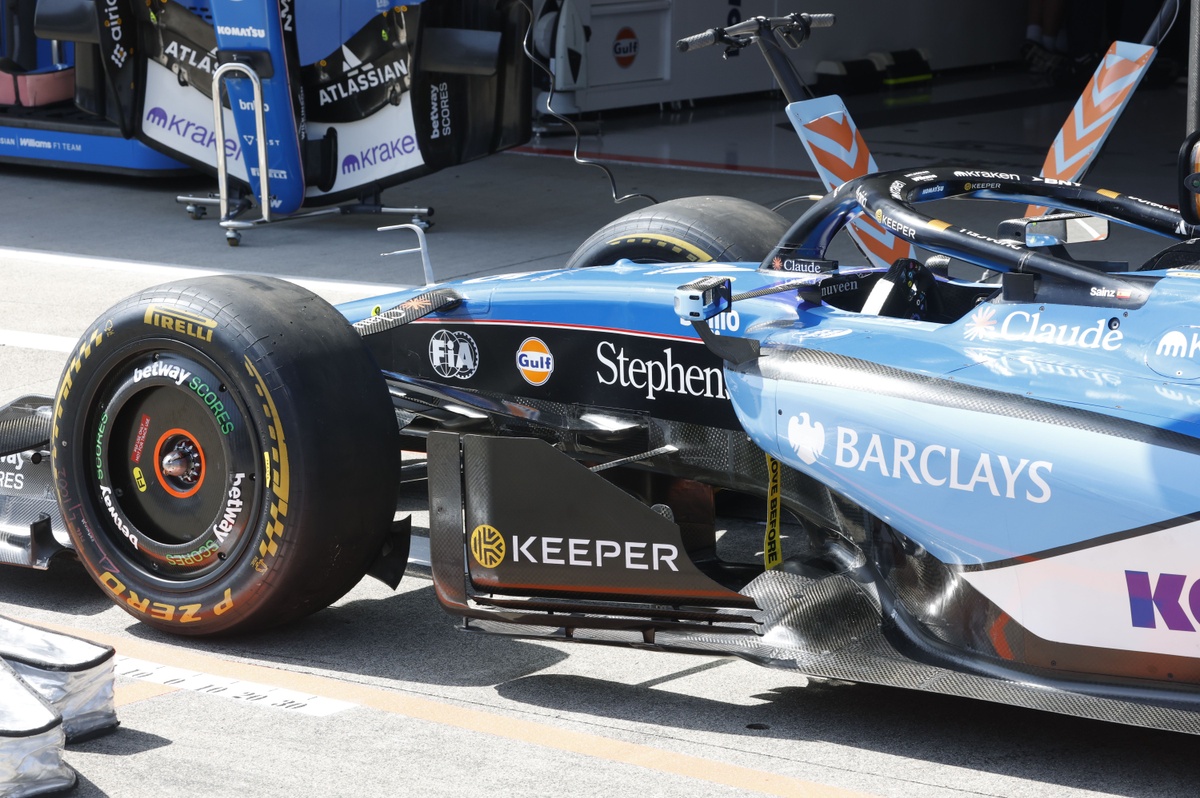
The third prominent school of thought comes from McLaren, Aston Martin, Williams, and Cadillac. Their distinctive approach features a larger top panel, supported by two shorter-chord elements underneath. The curvature of this dominant upper element is meticulously crafted to promote upwash, while the smaller supporting slats enable a more aggressive alteration of the airflow path without incurring excessive induced drag. Both McLaren and Williams further refine this with vertical splits in the larger panel, optimizing efficiency.
What This Means for the Racing: Closer Battles Ahead?
While the early impact of these 2026 F1 aerodynamic developments is somewhat masked by the divergent performance of the new power units, the tangible differences in car-to-car aero are undeniable. The regulatory 'bounding boxes' are effectively forcing teams to adhere to the 'inward-facing' trailing edges of the bargeboards, limiting the ability to revert to the old 'outwash' tendencies.
Though aerodynamicists will always push boundaries, the current framework largely constrains the tools they have. The narrower front wing geometries, for example, prevent the intricate winglets that once contributed heavily to 'outwash.' This simplified, yet highly effective, F1 aero package has been largely well-received, offering a beacon of hope for fans craving genuinely closer, wheel-to-wheel racing. For those skeptical about the future of F1's 2026 regulations, the chassis design offers a compelling reason for optimism.