

The New F1 Order: Mercedes Reigns Supreme
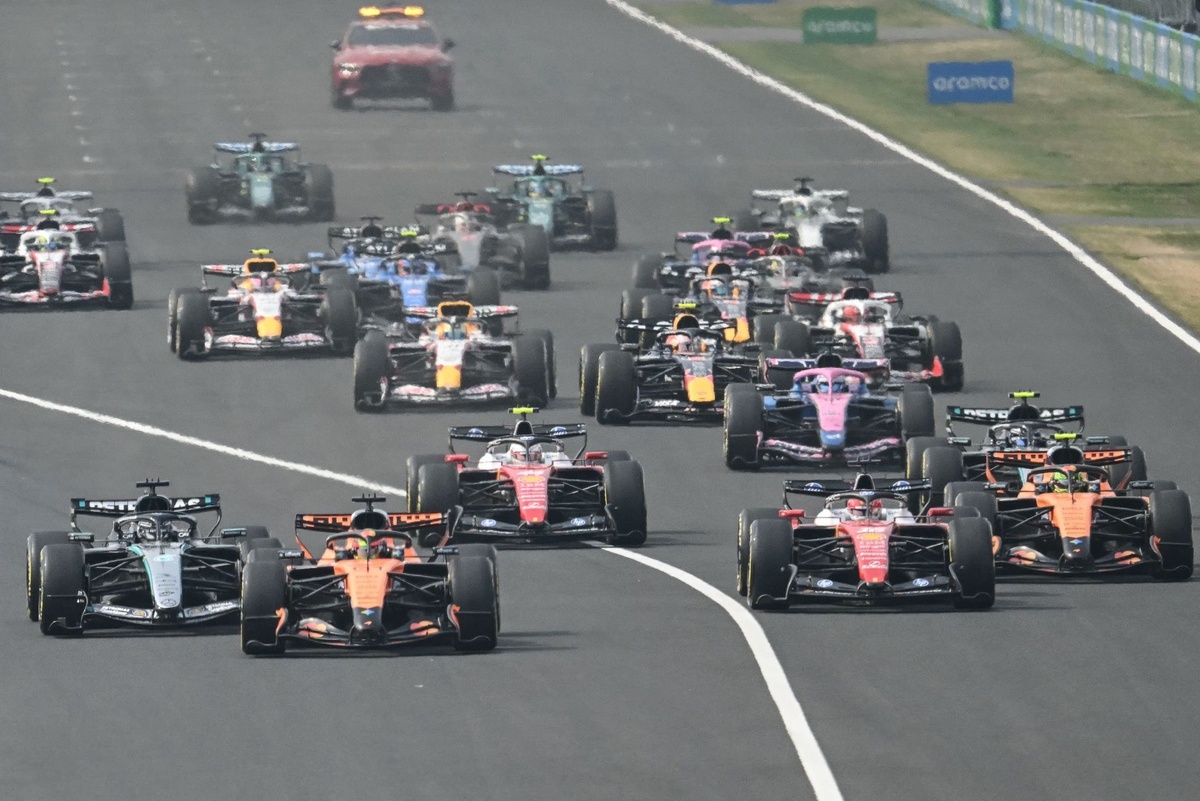
Mercedes has made a roaring comeback in F1 2026, dominating the early stages with a clean sweep of victories in Melbourne, Shanghai, and Suzuka. The Silver Arrows are once again the class of the field, reminiscent of their 2014 era, as their power units prove unmatched. This resurgence coincides with Kimi Antonelli's impressive maturation, as he now goes toe-to-toe with George Russell, securing two of the three wins.
It's not just about raw power; the Mercedes W17 is an exceptional all-round car. The team, however, remains grounded, acknowledging that rivals will close the gap as upgrades arrive. Yet, the belief in their structure, car, and drivers has undeniably paid off.
Red Bull's Unexpected Downfall
The team that mastered the previous regulation shift now finds itself in disarray. Red Bull Racing, making its debut as a power unit manufacturer with Red Bull-Ford Powertrains, has delivered an engine that's surprisingly competitive. The real nightmare, however, lies in their chassis.
The Red Bull car has proven incredibly difficult to balance and set up, plagued by fundamental flaws. This has left them roughly a second per lap slower than Mercedes and barely the fourth-fastest on the grid. With Max Verstappen's long-time race engineer reportedly departing by 2028, the team desperately needs swift progress to reverse this alarming narrative.
Ferrari's Promising, Yet Challenging Start
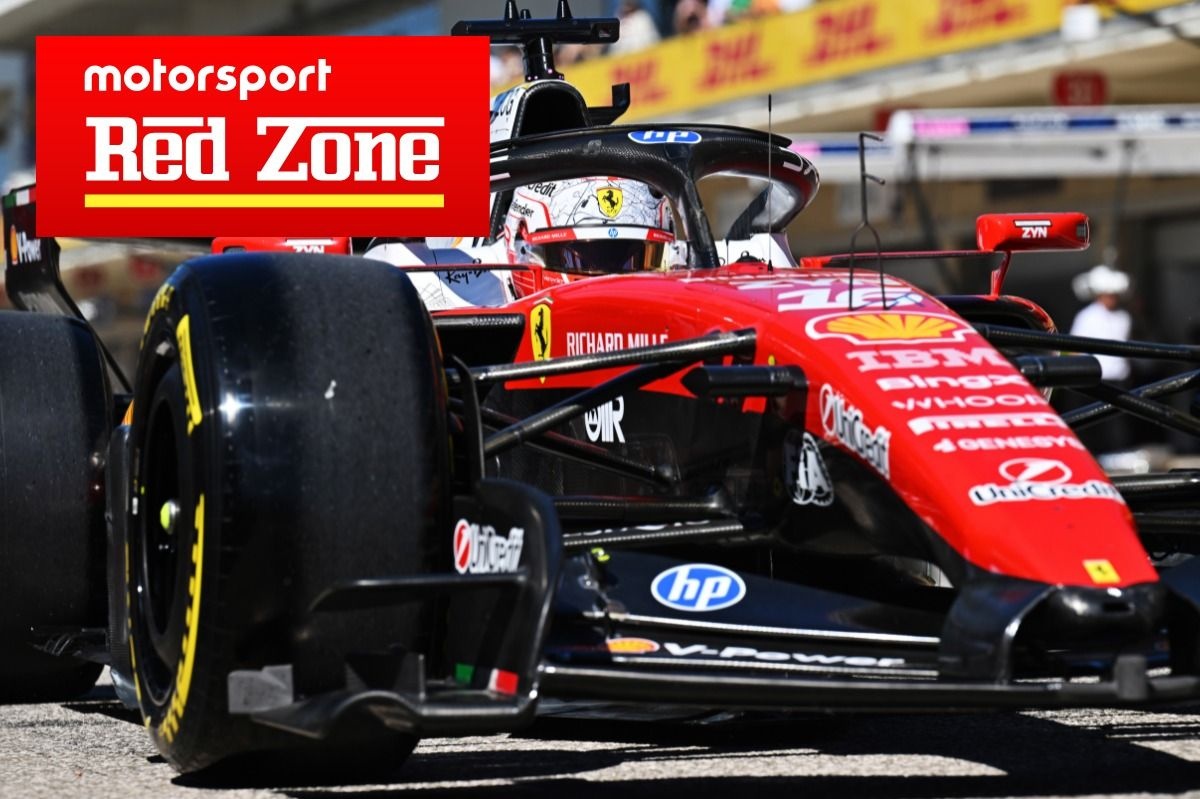
Ferrari has certainly exceeded expectations with a promising start to the 2026 season. After a disappointing spell, the Scuderia invested heavily in these new regulations, yielding a car that is significantly more balanced and effective. Their power unit, while not matching Mercedes' overall dominance, offers a crucial advantage off the line due to its compact turbo design, though it struggles to maintain that edge over a full race distance.
The Ferrari chassis is a strong platform, pleasing both Charles Leclerc and Lewis Hamilton. With innovations like a rotating rear wing, the team shows a renewed spirit. To truly challenge Mercedes, however, more significant steps in performance are required.
Midfield Mayhem: Surprises and Setbacks
McLaren's Comeback Kid Story
McLaren, despite being the reigning world champions, endured a nightmare start to F1 2026. Oscar Piastri crashed out in Australia, and both he and Lando Norris failed to start in China due to critical battery issues with their Mercedes power unit. However, the team's resilience shone through in Japan, where Piastri secured a second-place finish.
This improvement highlights their growing understanding of the Mercedes power unit's deployment. While still trailing the Silver Arrows, McLaren's progress offers significant optimism, suggesting they are not far off and ready to launch into the development race.
Haas: The Surprise Package of 2026
Who saw this coming? Haas F1 Team, F1's smallest squad, defied all predictions to sit fourth in the 2026 championship after three races! A sensational fifth-place finish in China propelled them ahead of a struggling Red Bull. This remarkable achievement is a testament to their coherent car characteristics, built from accumulated learning.
Sophomore driver and Ferrari protégé Oliver Bearman has been a shining light, pairing his natural talent with impressive consistency. Haas's early success proves that smart development and driver performance can overcome resource limitations.
Alpine's Ascent: A Strategic Gamble Pays Off
Alpine has delivered its strongest season start in years, a direct result of their strategic decision to largely sacrifice the 2025 season for a full focus on 2026. After a shaky start in Australia, the Enstone team has made significant strides, unlocking the true potential of their A526 car, now powered by Mercedes.
Pierre Gasly, often underrated, has been exceptional in qualifying, while Franco Colapinto also put points on the board in China. The team feels they have a solid foundation and are confident in finding further performance gains.
Racing Bulls: Quietly Confident in the Hunt
Racing Bulls has quietly become a consistent performer in F1 2026, collecting points in every race. Their VCARB 02 is a well-rounded car, promising strong development potential. A major highlight is Arvid Lindblad's seamless adaptation to F1, the rookie securing his first points and a Q3 berth.
The team is looking forward to a break and planned upgrades for Miami, indicating a confident approach to the intensifying development battle.
The Struggle is Real: Williams and Aston Martin Under Pressure
Williams: From Hopeful to Heavyweight Issues
After being the surprise package of 2025, Williams has dramatically fallen short in F1 2026. Despite prioritizing these regulations, the team appears to have overreached, producing a car that is significantly overweight and severely lacking in development. Like other Mercedes customers, they've also struggled to optimize critical energy deployment systems.
For Alexander Albon and the team, it's a call to action. They aim to make the Japan race a turning point, committing to bringing performance upgrades at every subsequent event to fight back into point-scoring contention.
Aston Martin: Honda Partnership Hits Early Turbulence
Aston Martin's new Honda partnership has endured an unmitigated disaster in the opening rounds. Crippling vibration issues from the engine meant the team couldn't even finish the season opener in Melbourne. While stopgap measures allowed Fernando Alonso to complete a race in Japan, the problems run deep.
Beyond the reliability woes and an admittedly uncompetitive, heavy power unit, the AMR26 chassis itself isn't quick. For a team with aspirations of becoming a consistent front-running force, the early signs suggest a far more difficult adjustment period than anticipated, with both performance and integration challenges leaving them firmly off the pace in the 2026 pecking order.