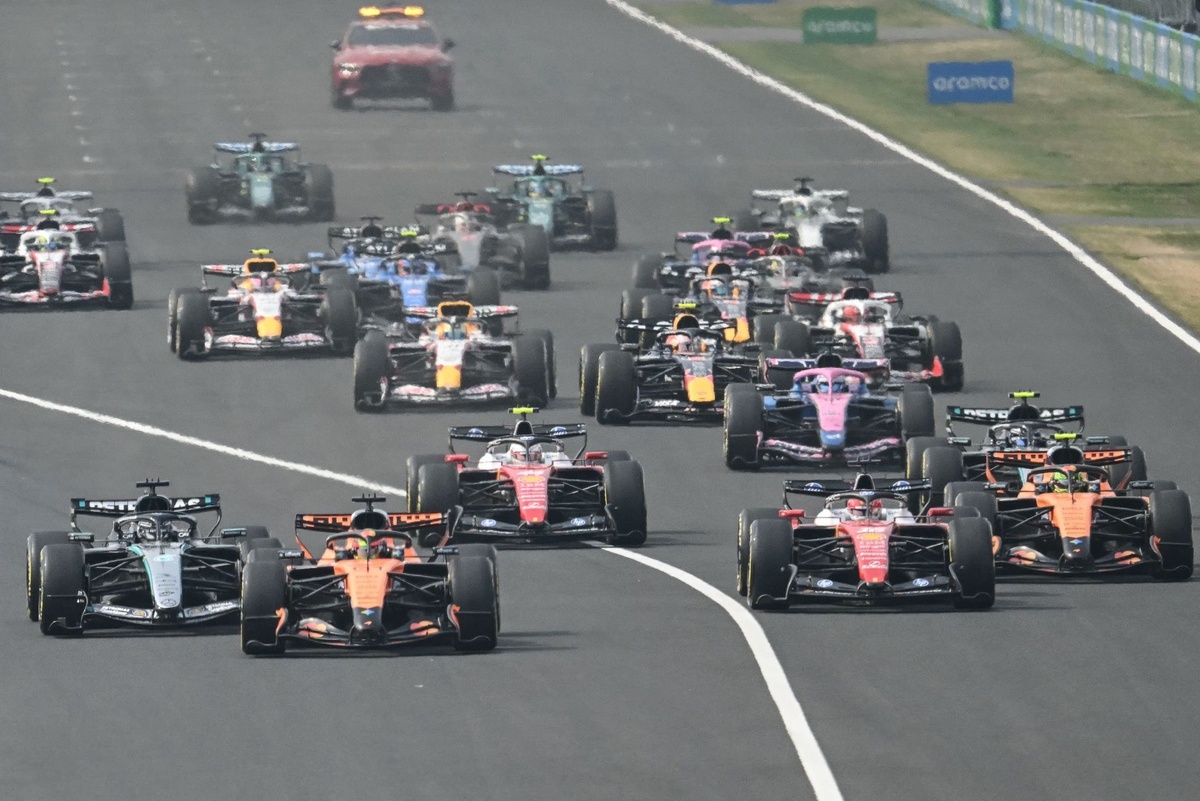

The future of Formula 1 is always under the microscope, and the 2026 regulations are no exception, with the FIA now actively addressing crucial concerns about energy management to ensure thrilling races and driver safety.
Key Points:
- The FIA and F1 teams are in "constructive dialogue" to refine 2026 energy management rules.
- Driver complaints regarding excessive energy saving in qualifying and safety concerns over drastic speed differences are driving the changes.
- Potential solutions include adjusting electric energy deployment and harvesting limits.
- A clear timeline for discussions, proposals, and a final vote has been established for April.
Addressing the 2026 Challenge: Why the Rush?
The 2026 F1 regulations have sparked debate long before their implementation. The primary issue? The heavily anticipated energy management system, which has raised red flags among drivers and safety experts alike. It's not just about performance; it's about the very essence of Formula 1 racing.
Drivers have voiced concerns over qualifying becoming too focused on saving energy, potentially diluting the raw speed spectacle. More critically, safety has emerged as a major talking point following incidents like Oliver Bearman's crash in Japan, where vast closing speeds occur when cars rapidly lose electric power.
FIA Steps Up: Solutions on the Horizon
The governing body, FIA, is not sitting idle. They've initiated a series of critical meetings with technical experts and power unit manufacturers, signaling a serious commitment to fine-tune the rulebook. The goal is clear: ensure the 2026 F1 era delivers exhilarating competition without compromising safety.
Initial discussions have been "constructive," with stakeholders agreeing that while current events provide exciting racing, the 2026 energy management needs adjustment. This collaborative spirit is vital for the sport's future.
Potential Tweaks to the Power Unit
Among the solutions being explored are adjustments to how much electric energy drivers can deploy and how much can be harvested, particularly during "super clipping" – charging the battery at full throttle. The aim is to find a balance that promotes aggressive driving while maintaining efficiency.
However, the FIA is emphasizing a measured approach. Any immediate changes before the Miami Grand Prix would likely be minor refinements, based on current driver feedback and early season data, rather than radical overhauls. Major structural changes will require more deliberation.
The Road Ahead: A Timeline for Decision
Formula 1's future isn't just being discussed behind closed doors; there's a clear roadmap for action. The FIA has outlined a detailed timeline for further discussions, ensuring all voices are heard before any final decisions are made on the 2026 regulations.
Key dates include a Sporting Regulations meeting on April 15 and another technical session on April 16. The crucial high-level meeting involving all stakeholders, including team representatives, FIA and F1 management, and 2026 power unit manufacturers, is set for April 20.
Following this pivotal meeting, an e-vote will solidify the preferred options, which will then be officially ratified by the FIA World Motor Sport Council. This collaborative process underscores the shared vision for a successful 2026 F1 season.