

Key Points:
- FIA and F1 praised for unprecedented speed in adjusting future rules.
- Will Buxton highlights the rarity of such quick changes in a busy season.
- Key revisions target energy management, power, and safety for the 2026 season.
- This proactive approach signals a positive shift in listening to fans, teams, and drivers.
The F1 Powerbrokers Listen Up!
Veteran analyst Will Buxton didn't hold back on the Up To Speed podcast, showering Formula 1 and the FIA with commendation. He lauded their decisive move to tweak the 2026 regulations ahead of the Miami Grand Prix, a rare sight in modern motorsport. After a period of intense scrutiny over the initial proposals, the sport’s leaders proved they weren't content to simply "stick their heads in the sand."
A Rare Display of Agility
Buxton emphasized the challenging circumstances. With back-to-back sprint weekends and the demanding calendar, many expected delays. Yet, F1 moved with remarkable speed.
This rapid implementation, involving all stakeholders from teams to drivers, underlines a commitment to continuous improvement. It shows a willingness to address concerns rather than waiting for potential issues to materialize on track.
Decoding the 2026 Rule Revisions
The refined 2026 F1 regulations introduce several critical adjustments, directly addressing areas of concern from across the paddock and the fanbase. These changes aim to enhance racing spectacle and driver safety.
Here are the core modifications:
- Energy Management Overhaul: The maximum energy recharge limit has been reduced to 7MJ, while peak super clip power gets a boost to 350kW. This should create more dynamic racing.
- Controlled Race Boost: A new cap of +150kW for race boost has been implemented. This prevents potentially dangerous closing speeds between cars, a significant safety upgrade.
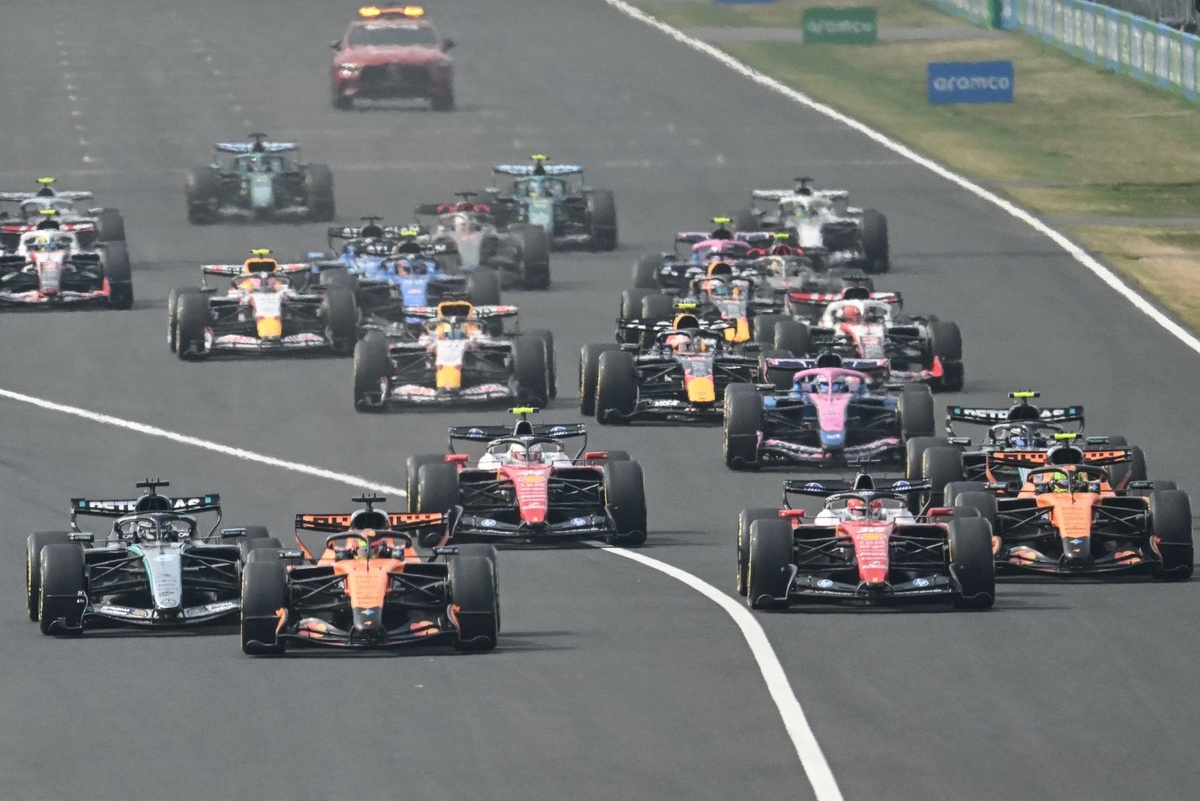
- Low-Power Start Detection: An automatic system will now trigger the MGU-K if a car detects a low-power start, proactively preventing grid collisions.
- Improved Wet Weather Grip: Intermediate tyre blanket temperatures are set to increase. This promises better grip and greater confidence for drivers in challenging wet conditions.
Driving Towards a Better Future
These strategic tweaks go beyond mere technicalities. They represent a concerted effort to optimize the 2026 Formula 1 season for both competitiveness and safety. The changes to energy deployment could lead to more strategic overtakes, while the safety mechanisms are paramount.
By acting decisively, F1 and the FIA have set a positive precedent. They've demonstrated that feedback is valued, and the sport is willing to evolve quickly to ensure the best possible product for its global audience.