Get ready for a seismic shift on the F1 grid! The upcoming 2026 season is poised to redefine race starts, turning every launch into a high-stakes gamble. New regulations, particularly the removal of the MGU-H and the mandatory turbo spool-up, have drastically complicated the initial getaway, leaving even seasoned drivers like George Russell stunned by the difficulty.
Key Takeaways from F1 2026 Start Testing
- Radical Changes: New F1 2026 regulations demand drivers rev engines for 10+ seconds pre-start, replacing the smooth MGU-H assistance.
- Russell's Revelation: George Russell declared his practice starts "worse than my worst ever," highlighting Mercedes' early struggles.
- Ferrari's Early Edge: Observers noted Ferrari's power unit looked exceptionally strong in practice starts, with Lewis Hamilton demonstrating impressive launches.
- High-Stakes Grid: Drivers like Oscar Piastri warn that a poor start could cost up to seven positions, promising early-season chaos.
The Grid's New Frontier: Unpacking F1's 2026 Start Rules
The F1 2026 season introduces a dramatic overhaul to race start procedures. With the MGU-H gone from the power unit, drivers can no longer rely on its instant torque for seamless getaways. Instead, they must now manually rev their engines for a minimum of ten seconds to spool up the turbo, adding a new layer of complexity and skill to the crucial opening moments of a race. This fundamental change is creating a significant challenge for all teams.
Russell's Struggle: Mercedes Grapples with Launch Control
Mercedes ace George Russell didn't mince words after his practice starts during recent testing. "The two starts I've made this week were worse than my worst ever start in Formula 1," he admitted, sending a clear signal about the difficulties facing his team. Russell emphasized that raw car speed might become secondary if the launch procedure isn't mastered. He believes overcoming this "tallest hurdle" is currently Mercedes' biggest headache.
Ferrari's Early Edge: The Prancing Horse Gallops Ahead
While Mercedes grappled, rivals observed Ferrari's power unit demonstrating remarkable strength off the line. This was strikingly evident when Lewis Hamilton (who will join Ferrari in 2025, and whose test performance Russell was likely referencing in the context of Ferrari power unit starts) executed a stunning practice start, rocketing from P11 to P1 in one run. This early prowess suggests Ferrari might have found an initial sweet spot in navigating the new, intricate start sequence, potentially giving them a crucial advantage come race day.
Chaos on the Grid: Why Every Start Will Be a High-Stakes Bet
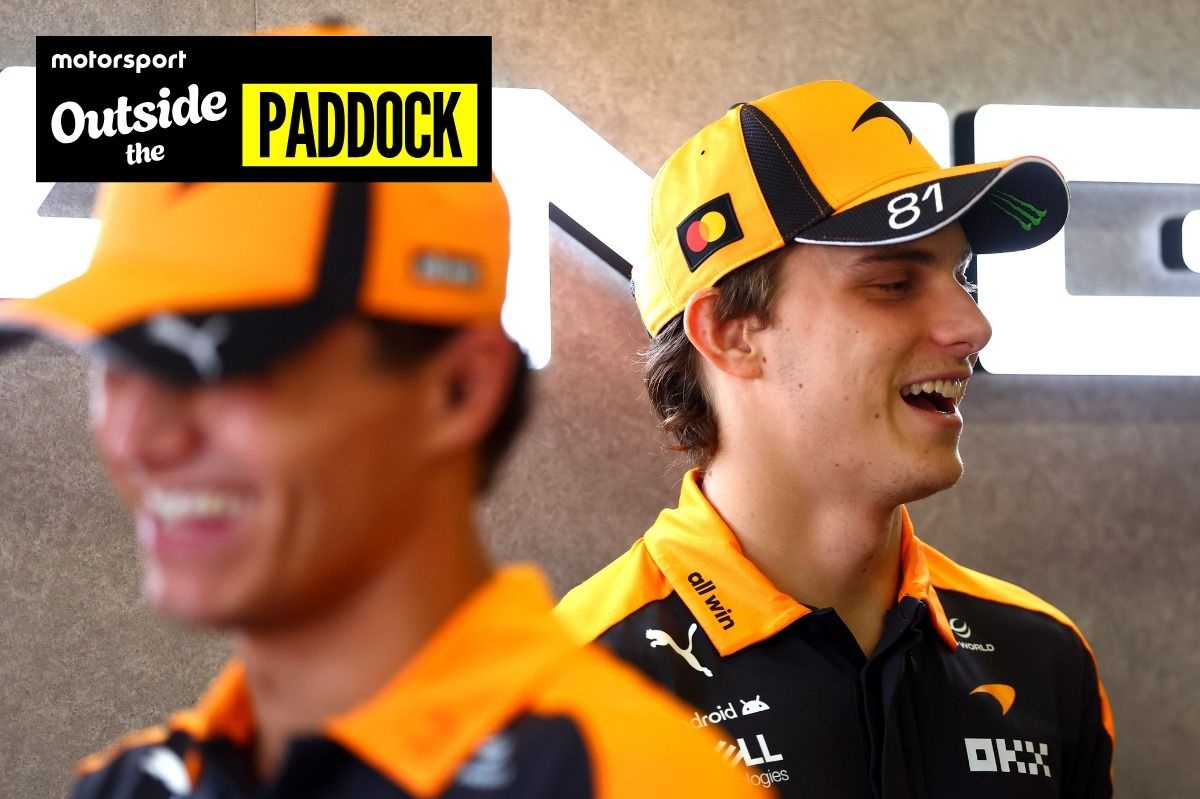
The consensus across the paddock is that F1 2026 race starts will be more impactful than ever. A misstep in the complex procedure could trigger an anti-stall, severely compromising a driver's race before the first corner. McLaren driver Oscar Piastri painted a vivid picture, warning that a bad start could cost a driver "up to seven spots." He described the current situation as "very random," with significant "pitfalls" for those who get it wrong.
Driver Opinions Divided: Safety vs. Skill
The radical changes have sparked debate among F1 figures. While McLaren boss Andrea Stella called for "imperative" safety tweaks due to the new complexity, Lewis Hamilton offered a contrasting view, stating the new starts aren't "dangerous." This divergence highlights the fine line between increasing driver skill input and managing potential risks.
The Road Ahead: Adapting to the New Reality
Piastri explained the multifaceted challenge, noting that managing power and the procedure is one thing, but the MGU-K's interaction makes it "trickier from every single angle." He anticipates a period of "random" and potentially dramatic starts in the early 2026 races as teams and drivers learn to adapt. However, he expects a "convergence" to better consistency as the season progresses. Until then, hold onto your hats – the opening seconds of every F1 2026 Grand Prix promise to be unmissable!