

The curtain has fallen on the first 2026 F1 winter test in Bahrain, and what a day of insights it was! Teams pushed their machines to the limit, revealing tantalizing glimpses of potential while grappling with the inevitable teething problems. As the dust settles at Sakhir, one thing is clear: the grid is shaping up for an unpredictable season.
Key Takeaways from Bahrain Day 3:
- Oscar Piastri and McLaren were the clear workhorses, logging impressive mileage.
- Mercedes-powered teams demonstrated strong data-gathering capabilities.
- Reliability concerns surfaced for several outfits, notably Sauber (formerly Cadillac).
- The competitive landscape for the 2026 F1 season remains wide open after initial runs.
McLaren's Masterclass: Piastri Leads the Charge
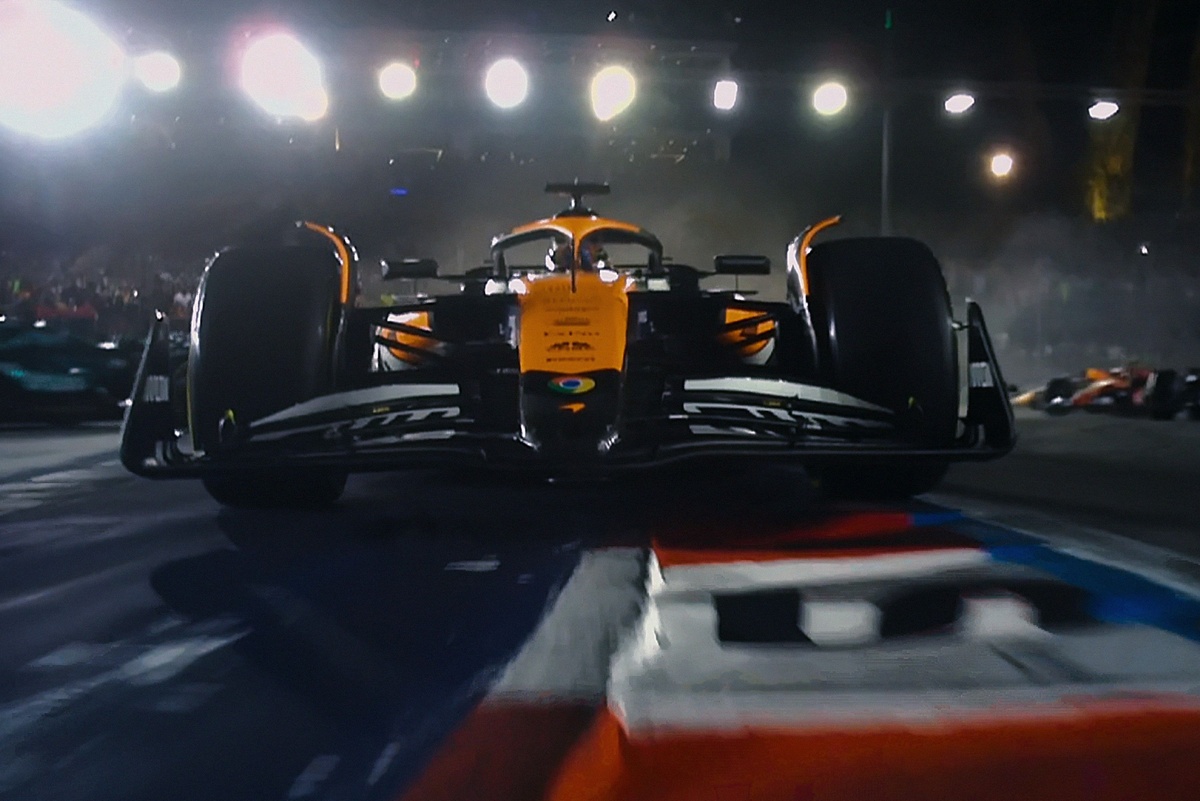
It was a truly dominant showing for McLaren on the final day, with Oscar Piastri emerging as the undisputed king of mileage. The young Australian put in a colossal shift, racking up more laps than any other driver. This incredible effort by both Piastri and the McLaren team provided a critical data haul for their Mercedes power unit, suggesting excellent foundational stability.
This relentless pursuit of data is paramount in pre-season. It allows teams to fine-tune their setups and understand their new machinery under various conditions. McLaren's consistency bodes well, hinting at a strong start to the 2026 F1 season.
Mercedes Power Units Show Promise
The sheer volume of laps completed by McLaren underscored a broader trend: Mercedes engines were putting in the work. Beyond the Woking outfit, teams like Williams with Alex Albon also contributed significantly to the engine manufacturer's comprehensive data collection. This efficiency hints at robust early development from the Mercedes factory.
While outright pace often grabs headlines, sustained running and data gathering are the true measures of a successful test day. The Mercedes-powered contingent appears to be ticking the right boxes.
Reliability Headaches and Unexpected Stops
Not every team enjoyed a smooth ride. Valtteri Bottas, piloting the Sauber entry (previously referred to as Cadillac), faced an early stop on track. This incident mirrored issues experienced by his teammate the day prior, raising initial concerns about the team's reliability heading into the new regulations.
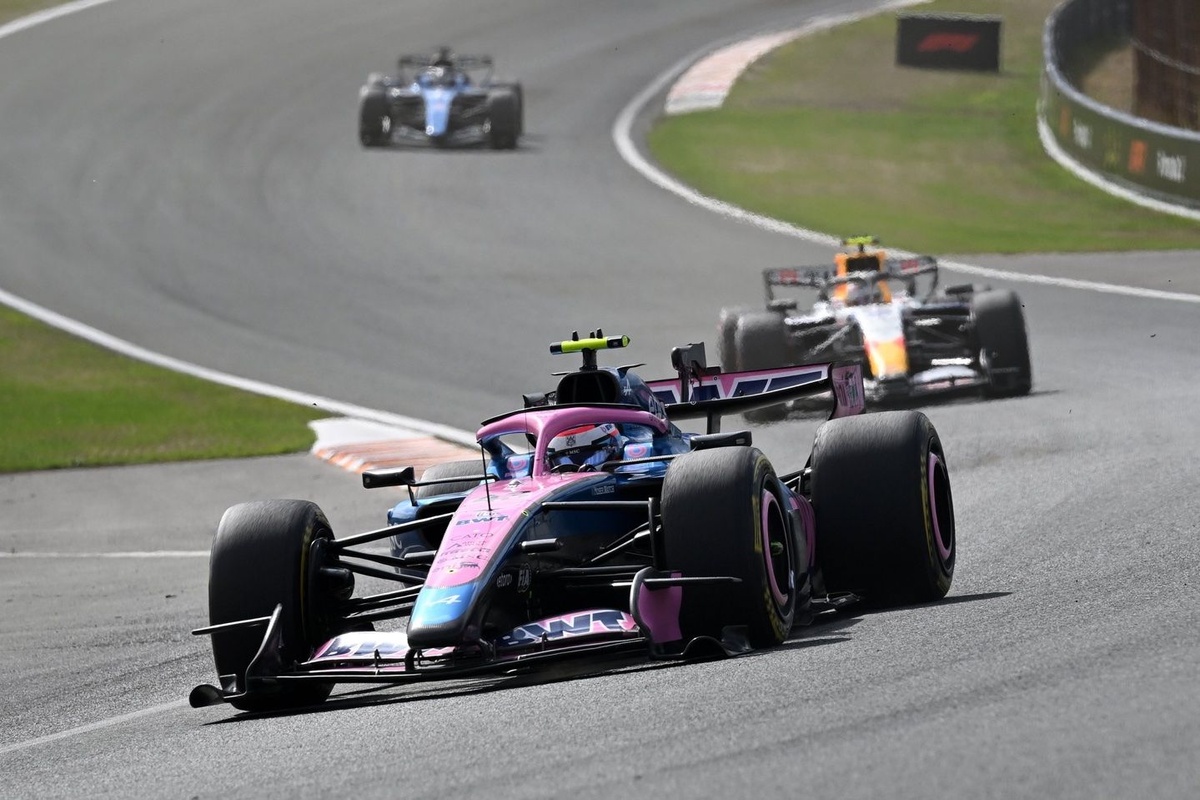
Other teams, including Alpine with Esteban Ocon, also had their share of adjustments and shorter runs, indicating they are still wrestling with their new packages. Pre-season tests are precisely for uncovering these glitches before the competitive season begins.
Driver Rosters and Emerging Talent
The three-day test saw a multitude of drivers taking to the track. Seasoned veterans like Carlos Sainz, George Russell, Nico Hulkenberg, Sergio Perez, and Max Verstappen all completed their allotted sessions, providing crucial feedback. Their experience is invaluable as teams adapt to the significant rule changes.
Moreover, young talents like Oliver Bearman, Andrea Kimi Antonelli, Isack Hadjar, and Gabriel Bortoleto also had opportunities to impress. These future stars are already making their mark, adding an exciting dimension to the F1 landscape.
What Does It All Mean for 2026?
The 2026 F1 Bahrain test has provided the first tantalizing taste of what's to come. While lap times can be misleading in testing, the sheer mileage of McLaren and the consistent performance of Mercedes-powered cars offer a glimpse of early strength. Conversely, the reliability hurdles faced by others serve as a stark reminder of the challenges ahead.
The real show begins soon, but this test has certainly set the stage for an electrifying Formula 1 season!