

The usually pristine world of Formula 1 has been thrown into disarray, and Martin Brundle, the sport's sagely voice, isn't holding back on the 'mess' that is the Monaco Grand Prix pitlane penalty saga.
Key Points from the Monaco GP Controversy
- Pierre Gasly had his Monaco GP podium initially revoked, then dramatically reinstated after an Alpine right of review.
- Martin Brundle labels the entire situation a "mess with no easy solution," highlighting the inconsistent application of rules.
- McLaren and Red Bull are actively appealing the decision, citing impacts on their race strategies and fairness.
- A technical glitch involving a miscalibrated 77cm timing loop in the pitlane is identified as a root cause for many speeding infractions.
Brundle's Blistering Verdict: A Paddock Divided
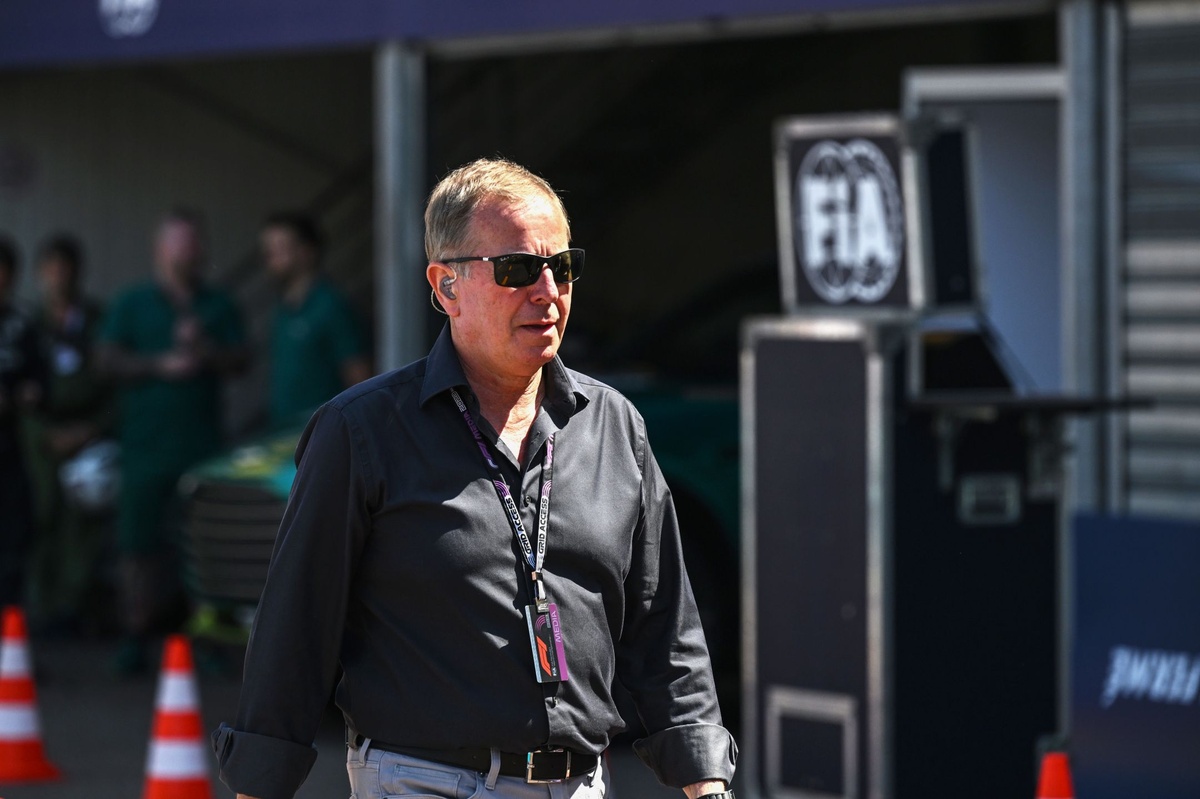
Writing in his post-Barcelona column, former F1 driver and Sky Sports analyst Martin Brundle delivered a scathing assessment of the recent Monaco Grand Prix penalty debacle. He minced no words, branding the handling of the pitlane infractions and Pierre Gasly's reinstated podium as a "complicated and uncomfortable decision."
Brundle's frustration stems from the seemingly inconsistent treatment of penalties. While Gasly's podium was returned, other drivers who served their penalties during the race saw no retrospective changes, despite similar circumstances. This has sparked a heated debate across the F1 paddock.
Monaco Mayhem: The Genesis of the Controversy
During the iconic Monaco Grand Prix, several drivers were handed penalties for exceeding the 60kph pitlane speed limit. Crucially, Pierre Gasly, who initially secured a third-place finish, had his time penalty applied after the checkered flag, leading to the loss of his hard-earned podium.
Alpine swiftly lodged a 'right of review,' presenting new evidence that wasn't available to the stewards during the race. This evidence ultimately cleared Gasly, leading to his podium being reinstated just before the Barcelona-Catalunya Grand Prix.
The Ripple Effect: Teams Gear Up for Battle
This reinstatement has ignited a fresh wave of appeals. McLaren and Red Bull, whose drivers were either directly impacted or saw their strategic decisions made moot, have begun their own appeals process. Mercedes, initially part of the challenging group, has since withdrawn its appeal.
Brundle points out the potential precedent this sets: teams might now be tempted to delay serving marginal in-race penalties to preserve their right to contest them post-race. While Ferrari remains "not too bothered" by the outcome, the implications for future race management are significant.
Technical Glitches and Troubling Precedents
At the heart of the pitlane speeding issue lies a technical anomaly. Brundle revealed that one of the timing loops in the Monaco pitlane was a crucial 77cm shorter than its calibrated length. This seemingly minor discrepancy led to numerous readings just over the 60kph limit, catching many drivers out.
This technical flaw, coupled with the differing treatment of in-race versus post-race penalties, creates a scenario that Brundle calls "a mess with no easy solution." The sport faces a challenge in ensuring fairness and clarity when technical errors intertwine with human judgment and race strategy.
What's Next for F1's Rulebook?
The ongoing saga underscores the urgent need for robust and uniformly applied rules. As Brundle concluded, "Lessons will be learned no doubt and the story will presumably run a while." For the integrity of Formula 1, ensuring every team and driver operates under the same, clear guidelines is paramount. The resolution of these appeals will undoubtedly shape future interpretations of race regulations.
.jpg)