
Being an F1 champion demands more than just raw speed; it requires leading an entire army. This profound truth is precisely what 1996 Formula 1 world champion Damon Hill revealed he grasped "a little bit too late" in his illustrious career. In a candid admission, Hill underscored the critical, often overlooked, psychological and leadership demands placed on modern F1 drivers.
Key Takeaways from Damon Hill
- Damon Hill realized the paramount importance of drivers actively inspiring and galvanizing their teams.
- He cited legends like Michael Schumacher and Sebastian Vettel as prime examples of this crucial leadership trait.
- Forging a collaborative relationship with the factory workforce is the true path to consistent on-track success.
- Hill's unique entry into F1 meant he didn't initially adopt this team-centric approach.
The Unsung Role of the F1 Commander
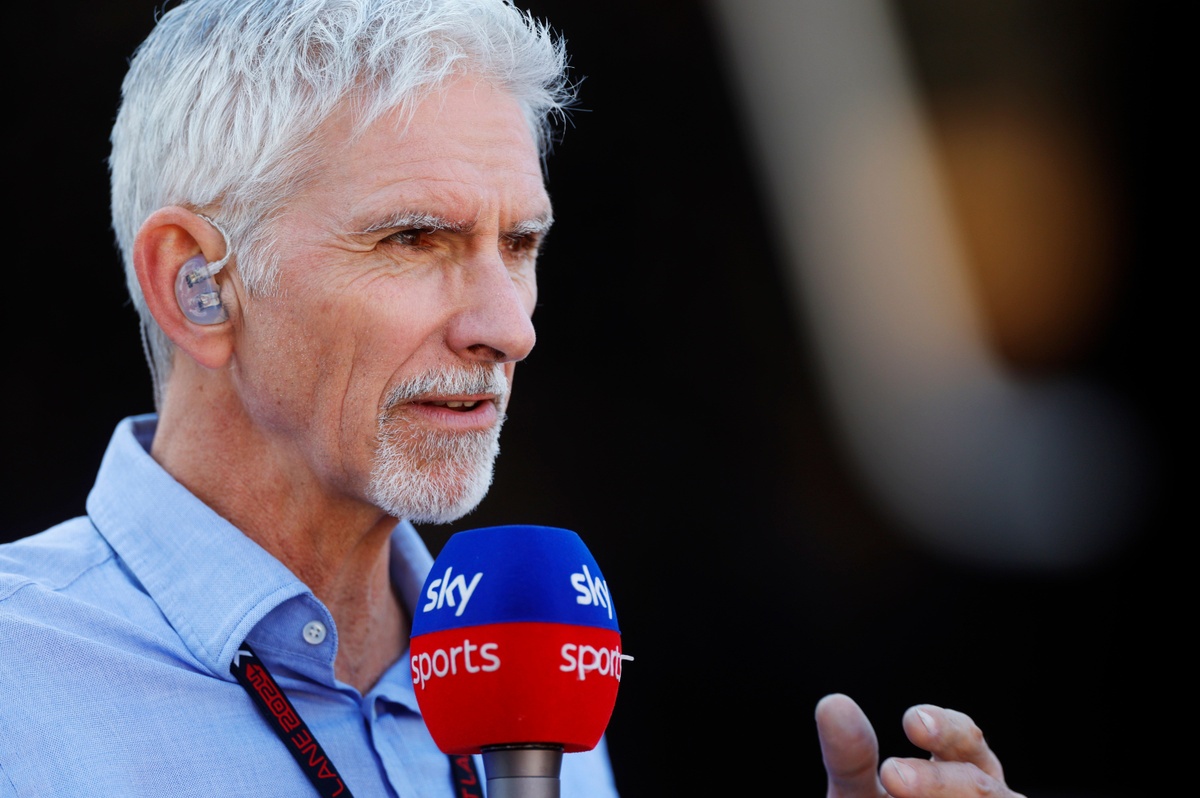
Speaking during a live recording of the Up To Speed podcast at the Goodwood Festival of Speed alongside Williams team principal James Vowles, Hill emphasized that a driver's influence extends far beyond the cockpit. Success, he argued, hinges on understanding how to cultivate an unstoppable synergy with the entire team. "No racing driver should be satisfied with where they are unless they're winning," Hill stated, "But they have to understand that occasionally you have to build something with the team because actually that's how you get to the end result."
It's a powerful statement that resonates with the competitive nature of Formula 1. The car, the equipment, and the entire infrastructure are products of dedicated teamwork. A driver's ability to inspire and integrate with that workforce is the ultimate differentiator.
Schumacher and Vettel: The Master Motivators
Hill pointed to iconic figures like Michael Schumacher and Sebastian Vettel as the gold standard for this crucial leadership quality. These champions weren't just fast; they were exceptional at fostering unwavering belief and commitment within their teams. Their influence extended to every engineer, mechanic, and designer, creating an environment where everyone pushed for peak performance.
"The more I hear about people like Michael [Schumacher] and various great drivers is they're brilliant at galvanising the team behind them," Hill explained. He added, "Sebastian Vettel is also like that." This ability to unify and motivate is a cornerstone of sustained championship bids.
Hill's Path: A Different Driver's Journey
Damon Hill openly admitted that his own, somewhat unconventional, entry into the sport meant he didn't initially grasp this leadership dynamic. Starting as an understudy and test driver at Williams, he saw figures like Alain Prost and Nigel Mansell as the primary galvanizers. This delayed his personal understanding of the role.
"I wish I'd known that more early on," Hill reflected. His journey highlights that while raw talent is essential, the nuanced art of team leadership is a learned skill, pivotal for any driver aiming for the pinnacle of F1 success.
The Hamilton Effect: Leadership Beyond the Cockpit
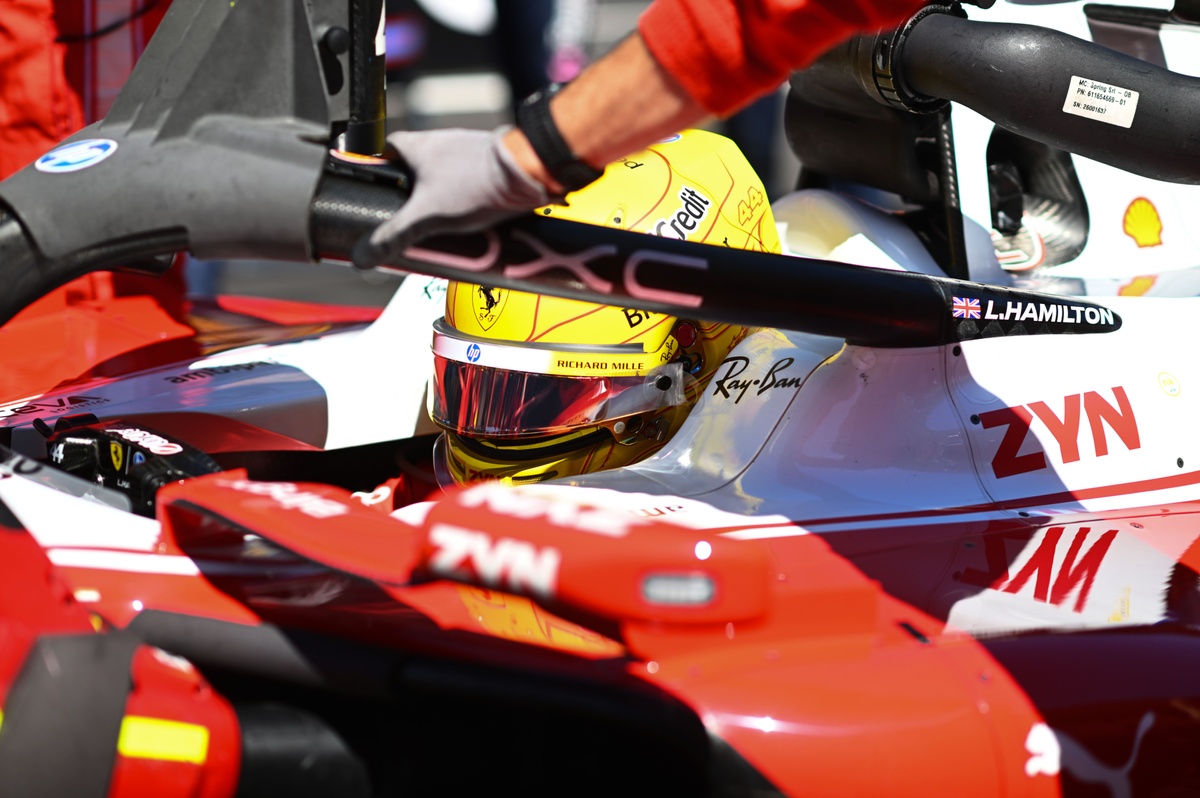
The lessons Hill learned are more relevant than ever in modern F1. Consider Lewis Hamilton, who Hill believes embodies this same team-centric approach. "And I'm sure Lewis [Hamilton] has done the same when he's gone to Ferrari as well. He's made sure that they believe in him."
This isn't just about driving; it's about being the ultimate leader, connecting with every individual, and ensuring they share the vision for victory. Damon Hill's regret serves as a powerful reminder that in the high-stakes world of Formula 1, true greatness is a collective achievement, spearheaded by an inspiring driver.