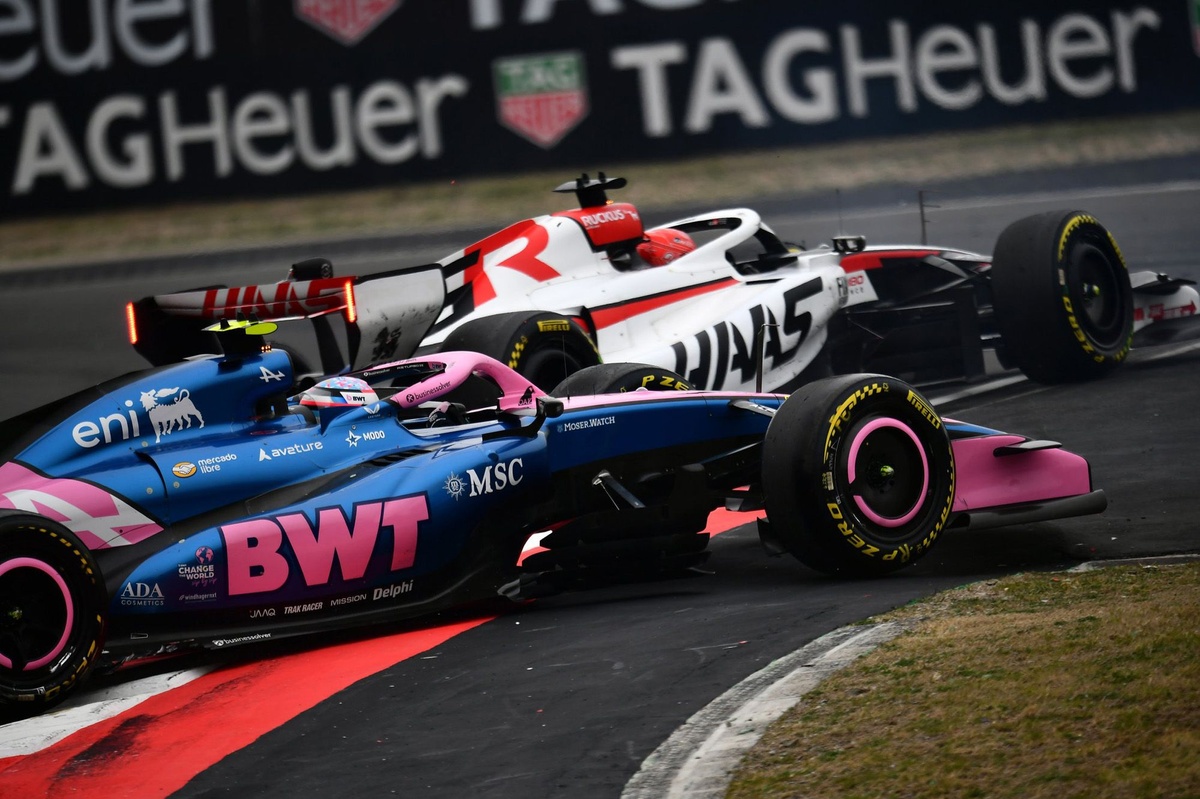

The gloves are off in Formula 1! A seismic shift in the FIA's penalty points system is finally letting drivers push the limits without the constant threat of a looming race ban. After seasons of frustration, a new, more flexible approach promises to unleash pure, unadulterated racing, and the early signs are electrifying.
Key Points:
- FIA introduces drastically revised penalty point guidelines for the current F1 season.
- Stewards now possess greater flexibility, significantly reducing penalty points for typical racing incidents.
- The sweeping changes directly resulted from strong advocacy by F1 drivers, notably GPDA director Carlos Sainz.
- Early season data shows a dramatic drop in penalty points, signaling a return to more aggressive, wheel-to-wheel action.
The Tides Turn: F1's New Era of Enforcement
F1 fans demanded more aggressive, wheel-to-wheel action, and it seems the FIA has finally listened. A radical overhaul of the notorious penalty points system is now in full effect, and the impact is undeniable. After seven thrilling races, a mere single penalty point has been handed out across the entire grid, a stark contrast to previous seasons that often saw drivers teetering on the edge of a dreaded race ban. This isn't just a tweak; it's a revolution in how on-track incidents are judged.
From Driver Frustration to FIA Flexibility
For years, the F1 paddock echoed with complaints. Drivers felt that penalty points, which accumulate towards an automatic race suspension (as Kevin Magnussen experienced in 2023), were being disproportionately applied. Minor infringements or even fierce, hard racing often resulted in points, stifling their natural competitive instincts. The sentiment was clear: a race ban should be reserved for genuinely dangerous or reckless conduct, not the unavoidable contact that comes with battling for position.
The FIA responded by empowering its stewards with far greater discretion. The revised guidelines, implemented this season, mean that incidents once carrying fixed penalty points, like causing a collision, now allow for a range from zero to three points, judged by severity. Moves like forcing another driver off track or ignoring blue flags are no longer automatically penalized with points, unless deemed "reckless" by officials.
A Collaborative Comeback: Sainz Praises FIA Dialogue
This pivotal change wasn't an arbitrary decision by the governing body; it was a direct result of relentless advocacy from the drivers themselves. Carlos Sainz, a vocal GPDA director, confirmed the drivers' collective push for reform. He highlighted a significant improvement in communication and trust with the FIA, a relationship he likened to the esteemed rapport drivers once shared with legendary former race director Charlie Whiting.
Sainz specifically praised Rui Marques, the current F1 race director, and his team for their collaborative approach. This open dialogue has been instrumental in reshaping the penalty system to better reflect the realities of top-tier motorsport. The goal is to punish genuine threats to safety, not the inevitable missteps in high-speed competition.
Bearman's Relief: Unleashing the Racers
Few drivers understand the stress of the old system better than Oliver Bearman. Having spent much of last season on the precipice of a race ban, Bearman currently leads the unofficial "penalty points table" with eight points. He candidly admitted that the previous rigid application of points actively discouraged drivers from attempting bold overtakes. "If we want to have a spectacle, have a race, let us try to overtake," Bearman stated, emphasizing the need for drivers to challenge without fearing disproportionate long-term consequences.
Bearman agrees that genuinely dangerous actions, such as his own "silly mistake" at Silverstone last year (entering the pit lane unsafely under red flags, earning him four penalty points), warrant severe sanctions. However, he argued that standard racing contact, like his clash with Carlos Sainz in Monza, should not lead to penalty points that can derail a season. The new rules recognize this nuance, allowing drivers to race harder, knowing they'll face time penalties for mistakes but not necessarily a career-threatening accumulation of points.
The Future of F1 Racing: More Thrills, Fewer Chills?
This significant recalibration by the FIA marks a bold step towards a more driver-friendly and, crucially, a more fan-friendly Formula 1. By reducing the fear of punitive penalty points for racing incidents, the sport encourages more daring maneuvers, closer battles, and ultimately, a more exhilarating spectacle. The early season statistics speak volumes: the era of cautious racing dictated by the penalty point sword of Damocles seems to be fading, making way for a return to pure, unbridled competition.