


F1's Start-Line Shocker: The Battery Drain Mystery
The season's first Formula 1 race at Melbourne promised exhilarating action, but few anticipated the bizarre start-line drama. As the lights went out, a silent crisis unfolded: multiple cars, including front-runners, were scrambling for power, their batteries critically depleted before a single meter was raced. It was a chaotic reveal of the new regulations' unexpected teeth.
Key Takeaways from the Grid Chaos
- Ferrari's Hidden Edge: A unique engine setup allowed Charles Leclerc to rocket off the line, even with a low battery.
- Regulation Shock: Stricter rules on electrical energy deployment at the start created a massive challenge for most of the grid.
- Formation Lap Trap: The aggressive demands of warming tyres and brakes during the formation lap proved a fatal battery drain for many.
- Safety & Performance Fallout: The power disparity led to dangerous on-track moments and forced drivers into immediate recovery modes.
Ferrari's Masterclass: Turbo Size Matters
While rivals fretted, Ferrari delivered a launch masterclass. Charles Leclerc sliced through the pack towards Turn 1 with remarkable ease. This wasn't just driver skill; it was engineering brilliance. Unlike many teams, Ferrari's smaller turbo, paired with shorter lower gears, meant their power unit was less reliant on the MGU-K's electrical boost from a standstill. Even with a low battery, Leclerc's Ferrari could still spool up efficiently, creating a decisive advantage.
New F1 regulations are at the heart of the grid's power problem. Cars are forbidden from using electrical energy while stationary on the grid and cannot deploy battery power until they hit 50 km/h. For cars equipped with larger turbos, this restriction is devastating. These larger units take longer to reach optimal rotational speed for effective acceleration, a struggle compounded by typically longer gear ratios. Without the instant electric grunt, acceleration becomes sluggish.
The Formation Lap: An Unexpected Energy Trap
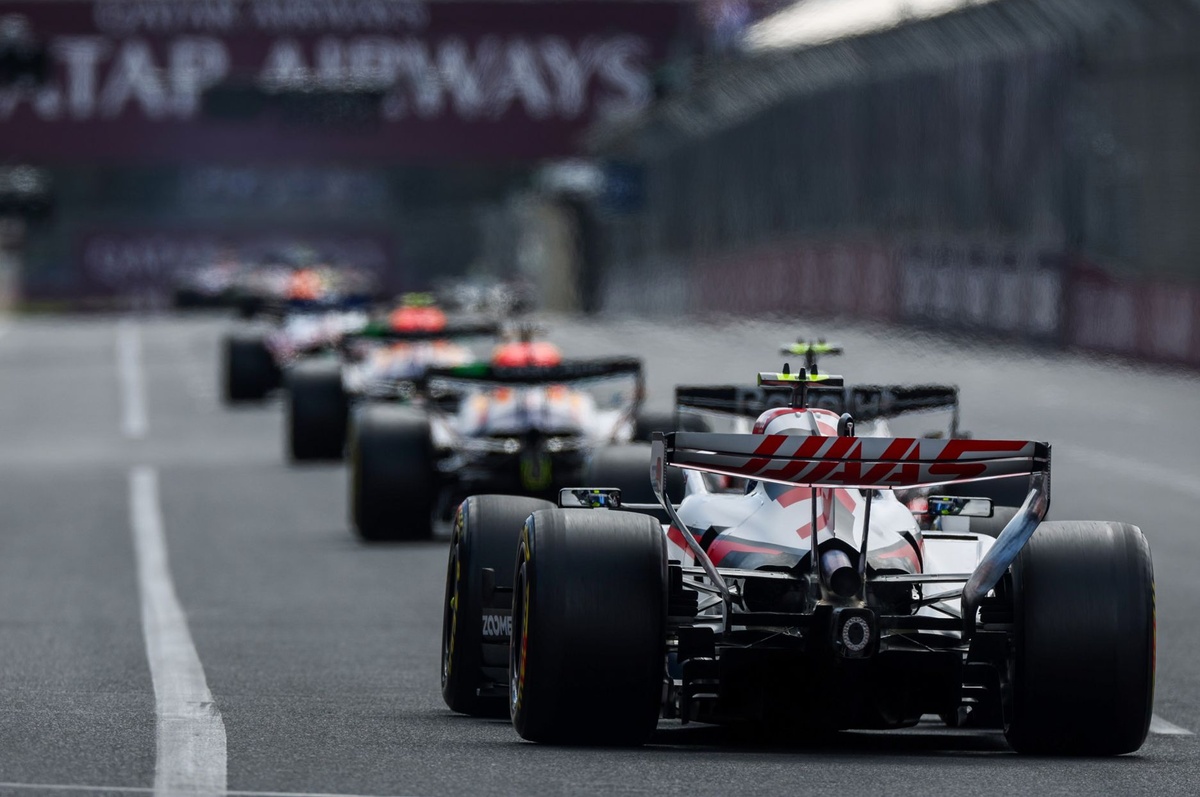
Team strategists faced a rude awakening during the formation lap. Drivers, including those from Mercedes, were observed revving their engines prematurely, desperate to spool up their turbos before the lights went out. The issue? Aggressive formation lap routines, rapid acceleration and heavy braking to warm tyres and brakes, turned into an unforgiving battery drain.
Mercedes' Andrew Shovlin candidly admitted, "We didn't do a good enough job of managing the limited energy around the formation lap, and both drivers ended up with low battery on the line." This critical miscalculation meant drivers like Max Verstappen and Isack Hadjar also found their batteries alarmingly low, or even completely depleted, even before lining up for the start. Red Bull's Laurent Mekies echoed this sentiment, stating, "It's our responsibility to avoid being in that situation."
When Burnouts Become Impossible
The lack of electrical power cascaded into more bizarre problems. For young talents like Kimi Antonelli, the traditional pre-start burnouts, crucial for warming rear tyres, became impossible. Without this vital ritual, wheelspin became rampant, leading to a disastrously slow launch. In the midfield, this created genuine safety concerns; Franco Colapinto narrowly avoided a collision with Liam Lawson, whose car was almost stationary due to a power-unit issue.
The Melbourne circuit itself exacerbated the problem. With few opportunities for significant energy recovery, especially after the braking zone at Turn 11, the aggressive demands of the formation lap created an unsustainable power deficit. Further complicating matters, drivers often shift brake balance towards the front during warm-up. This setup, while good for generating brake temperature, reduces the workload on the MGU-K, which typically assists rear braking and recovers energy. With less MGU-K recovery, batteries simply couldn't recharge. It's clear many engineers were caught flat-footed, highlighting a critical new challenge in Formula 1 racing.