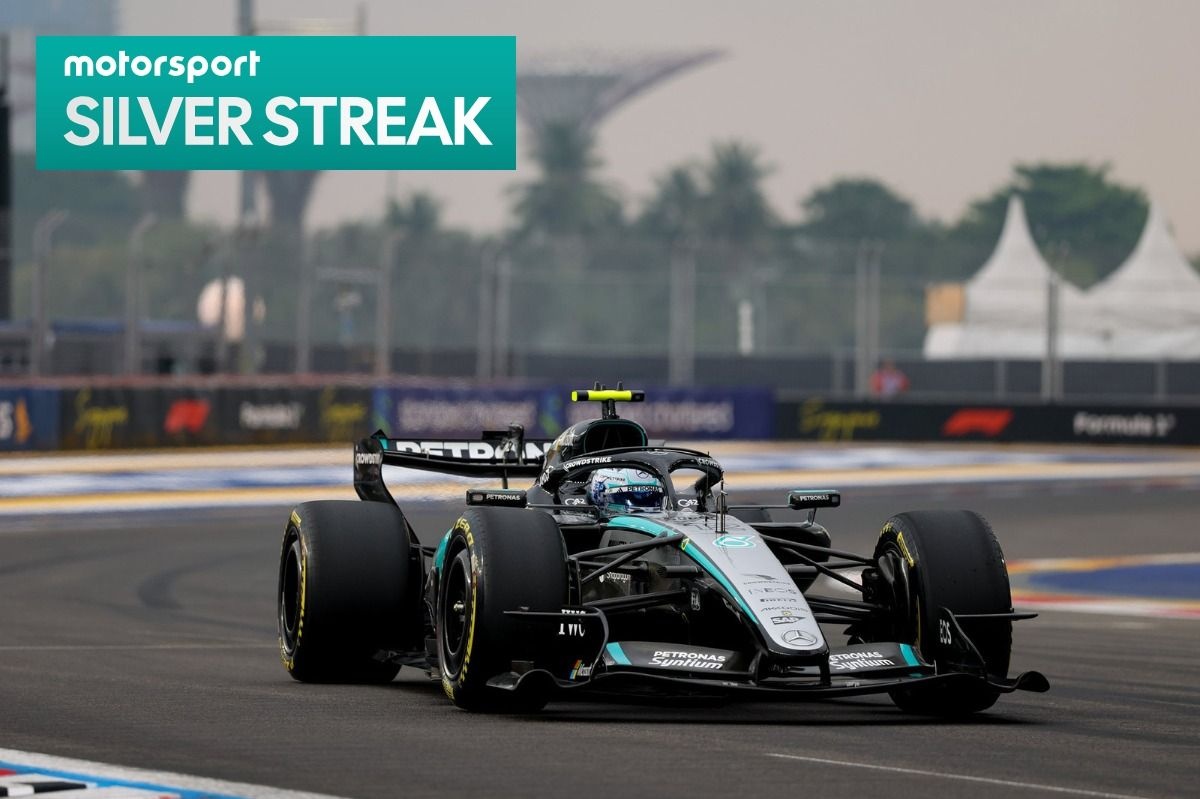



The F1 world is still buzzing with controversy after Andrea Kimi Antonelli somehow kept his Singapore Grand Prix podium, despite racking up four track limits violations. Fans and pundits were left scratching their heads, anticipating a five-second penalty that never came. This decision has sparked intense debate over consistency in FIA stewarding and its impact on the championship battle.
Key Points:
- Andrea Kimi Antonelli recorded four distinct track limits violations at the 2026 Singapore Grand Prix.
- Under standard FIA rules, four strikes typically lead to an automatic five-second time penalty.
- The Mercedes driver remarkably escaped sanction, retaining his third-place finish and crucial championship points.
- His reprieve stemmed from a technicality on an out-lap and the absence of a mandatory procedural warning from race control.
The Singapore Shocker: Antonelli's Controversial Podium Escape
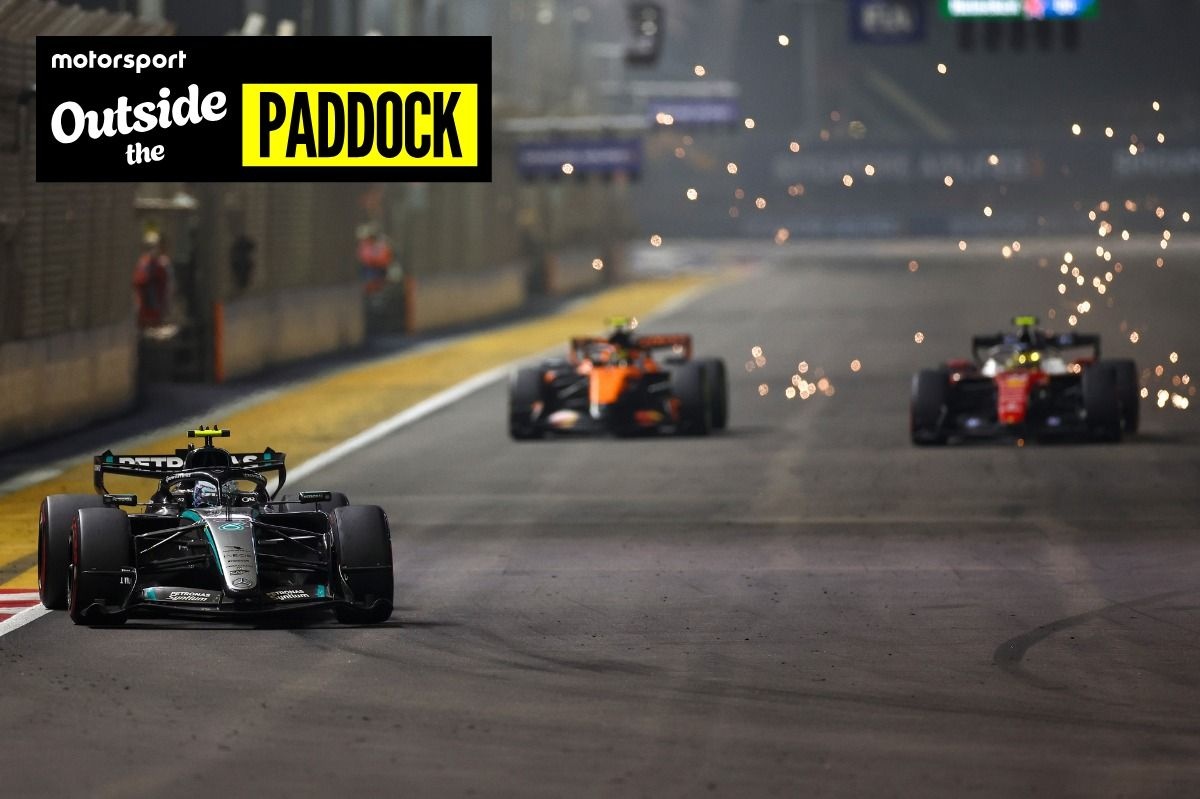
Following the chequered flag in Marina Bay, official timing graphics clearly indicated that Antonelli, the reigning championship leader, had pushed the boundaries one too many times. Had the standard five-second penalty been applied, his hard-fought third-place would have vanished, demoting him behind McLaren's Lando Norris and significantly tightening the championship standings.
Yet, to the astonishment of many, the final classification confirmed Antonelli's podium finish remained intact. A closer look at the intricate FIA regulations reveals the specific nuances that allowed the Mercedes star to avoid what seemed like an inevitable sanction, fueling a fierce discussion across the paddock.
Decoding the Rulebook: An Out-Lap Loophole?
The primary reason Antonelli dodged the bullet lies in the nature of his fourth infringement. While track limits were rigorously monitored at corners like Turns 2, 7, 16, and 19, the crucial detail emerged for his fourth violation at Turn 7.
This final breach occurred on an out-lap immediately after a pitstop. FIA guidelines for track limits penalties are designed to punish drivers for gaining a competitive advantage on timed, flying laps. Since no competitive lap time was being established during this out-lap, the incident didn't meet the criteria for a cumulative time penalty.
Instead, the stewards merely deleted the non-competitive lap time, as no sporting advantage was gained. This technicality meant the strike didn't count towards the escalating penalty system for competitive infractions, effectively creating a loophole for Antonelli.
The Missing Warning: A Procedural Lifeline
Beyond the out-lap technicality, a significant procedural oversight also played a part in Antonelli's reprieve. According to established FIA operational protocols, a driver must be formally shown a black-and-white warning flag upon their third track limits violation.
This crucial warning acts as an intermediary step, signaling that a subsequent fourth breach will trigger an automatic time penalty. Amidst a chaotic race, featuring safety cars and frantic pit strategies, race control failed to display this mandatory warning to Antonelli on the timing monitors.
Without this essential precursor being issued, imposing a five-second penalty post-race would have directly contradicted the FIA's own enforcement guidelines. This procedural lapse, combined with the out-lap technicality, inadvertently protected the young Mercedes talent.
What This Means for the F1 Championship Battle
While Antonelli legally maintained his podium, the incident has undoubtedly intensified scrutiny on his driving style. His aggressive corner-entry approach has, at times, led to track limits issues throughout the 2026 season, impacting both qualifying and race stints.
Crucially, Antonelli heads into the United States Grand Prix with his 102-point championship cushion intact. Had that fourth violation occurred on a standard flying lap, the penalty would have been unavoidable, shaking up the championship narrative. The entire paddock will now be watching his car placement with renewed interest in Austin.