

It's official: Formula 1 faces a major design dilemma for its 2026 regulations, with Williams Team Principal James Vowles bluntly describing the next-generation cars as "energy-starved." This isn't just technical jargon; it's a critical challenge that could impact the very essence of grand prix racing, and thankfully, F1 stakeholders are already scrambling for solutions.
Key Points: The 2026 F1 Conundrum
- Williams' James Vowles confirms 2026 F1 cars are battling significant "energy-starved" issues.
- Up to five distinct proposals are under discussion to overhaul the problematic hybrid power units.
- The issue became glaringly evident at the Australian Grand Prix, where cars struggled with battery power on high-speed sections.
- While some drivers, like Max Verstappen, feared it was too late, Vowles offers hope for timely adjustments, potentially after the Chinese Grand Prix.
The Hybrid Headache: Unpacking F1's 2026 Power Unit Predicament
The whispers of concern surrounding Formula 1's 2026 regulations have now erupted into a full-blown roar. At the heart of the debate are the radical new hybrid power units, designed for increased electrical reliance. While innovative, this approach brings a significant compromise: drivers frequently lack sufficient battery power to maintain full throttle throughout an entire lap.
The Albert Park Alarm Bells
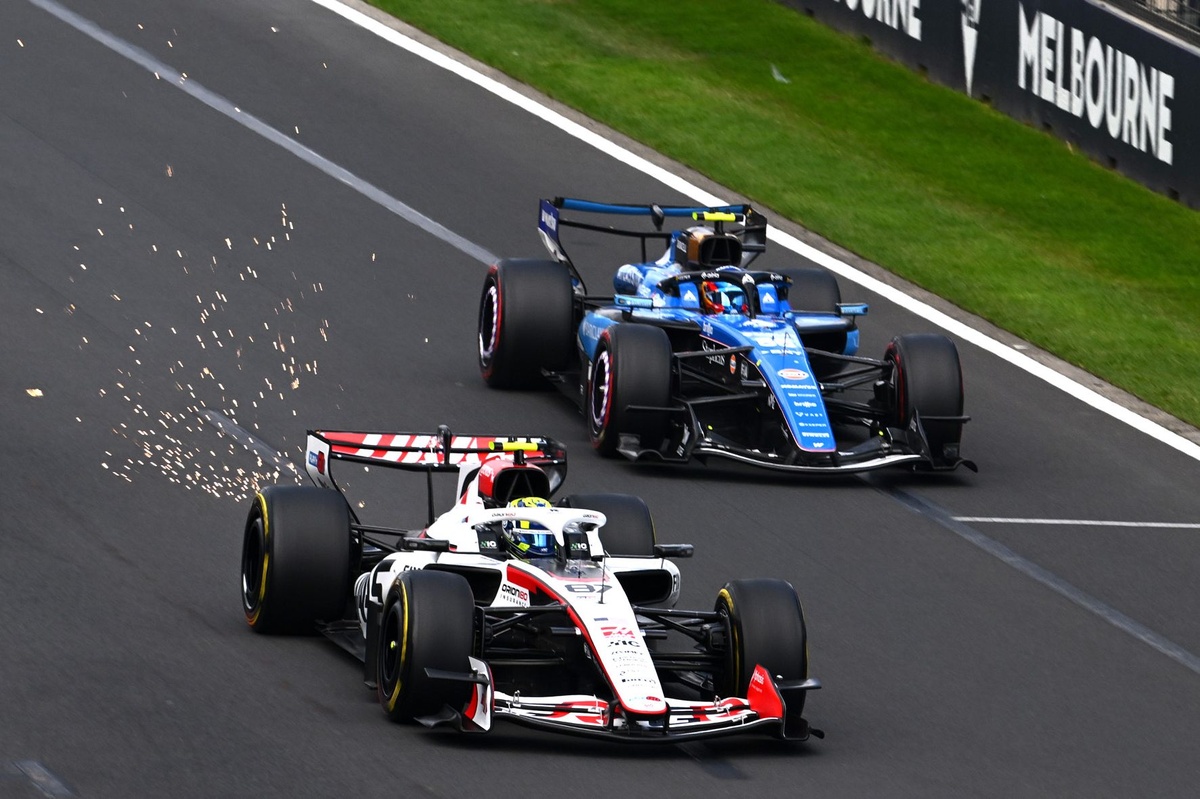
This "energy-starved" reality became starkly clear during the season-opening Australian Grand Prix at the Albert Park Circuit. Drivers were reportedly losing speed despite having their foot flat on the accelerator, a direct consequence of insufficient energy regeneration. Tracks with fewer heavy braking zones exacerbate this problem, as they offer fewer opportunities to recharge the batteries effectively. It’s a spectacle no fan wants to see.
Fixing the Future: Vowles' Optimism Amidst Five Proposals
Despite the public outcry and skepticism from champions like Red Bull's Max Verstappen, who questioned the feasibility of mid-development changes, James Vowles remains confident. The Williams boss has revealed that multiple measures are on the table, indicating serious efforts to prevent a major setback for the sport. "We are a little bit energy-starved," Vowles admitted, emphasizing the need for a solution that upholds F1's thrilling standard.
Super Clipping: A Potential Solution?
Among the ideas floated is an increase in "super clipping" power, potentially from 250kW to 350kW. This technical adjustment would divert more power from the engine to recharge the battery while at full throttle. Though it might slightly reduce outright top speed, the trade-off could be worth it by drastically cutting the need for drivers to "lift and coast" – a practice that compromises racing excitement.
The Road Ahead: Testing Changes on Track
The sport's stakeholders aren't rushing into decisions. Vowles stressed the importance of observing car performance over the next few flyaway rounds, specifically mentioning Shanghai and Suzuka. These races will provide crucial data on how the cars truly behave on different circuit layouts. The goal is to implement positive changes without inadvertently making the situation worse.
Ultimately, while Vowles concedes the 2026 F1 regulations are "too complicated," he firmly believes in the inherent quality of Formula 1 as a spectacle. Any potential adjustments are expected to be solidified only after the upcoming Chinese Grand Prix, giving the sport time to carefully evaluate its options and secure a high-octane future for its fans.