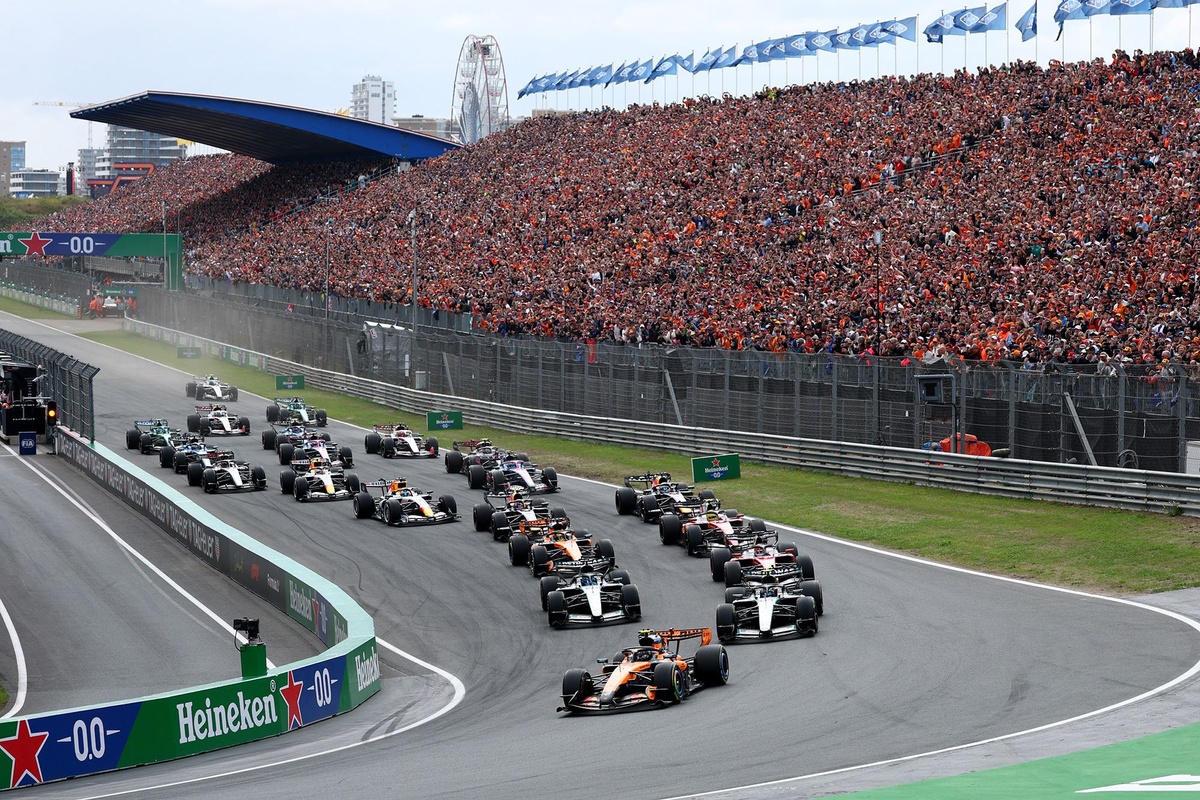
Formula 1 isn't just racing; it's an engineering battleground, and the upcoming 2026 regulations are proving to be an irresistible magnet for the world's biggest automotive players. F1 CEO Stefano Domenicali proudly champions these transformative changes, confident they represent the "right technical decision" for the sport's thrilling future. The buzz is real, and the grid is set to become even more competitive.
Key Insights from F1's 2026 Rulebook
- The 2026 F1 power unit features a groundbreaking 50:50 split between sustainable internal combustion engine power and electric energy.
- This technologically advanced approach is directly attracting global automotive titans like Cadillac, Ford, Audi, and Honda.
- Stefano Domenicali asserts these regulations will usher in an era of unprecedented strength and innovation for Formula 1.
- The new rules promise a fascinating challenge for engineers, teams, and drivers, accelerating technical development.
Why the 2026 Regulations are a Game-Changer
At the heart of Formula 1's surging appeal lies the visionary overhaul of its power units for 2026. The new regulations mandate a sophisticated 50:50 split: half the power derived from advanced internal combustion engines running on 100% sustainable fuels, and the other half from electric energy. This isn't just about speed; it's about relevance, mirroring the broader automotive industry's push towards hybrid and sustainable technologies.
Domenicali emphasized, "There is a big interest in what we are doing, keeping advanced sustainable fuels at the centre of the future power unit." This strategic alignment makes F1 an attractive testbed and marketing platform for manufacturers evolving their own road car technologies.
The Power Unit Revolution: Sustainable Performance
The focus on sustainable fuels and increased electric power isn't merely an environmental gesture; it's a technical challenge that excites top engineers. This balanced approach ensures F1 remains at the pinnacle of motorsport innovation, driving breakthroughs that could ultimately benefit everyday vehicles. It’s a bold step, designed to keep the sport thrilling while embracing future mobility solutions.
A Flood of Automotive Titans
The impact of these forward-thinking regulations is already evident in the influx of major brands committing to the sport. Formula 1 is witnessing a renaissance of manufacturer interest, proving Domenicali's vision.
New Kids on the Grid: Cadillac's Grand Entrance
Perhaps the most significant new addition is Cadillac, under the General Motors umbrella, poised to join as the 11th team. Domenicali expressed immense excitement: "Cadillac is one of the most important manufacturers in the world. They're going to invest a lot. They're going to bring new energy." Their entry signifies a massive vote of confidence in F1's direction and global reach.
Established Giants Recommit: Ford, Audi, and Honda's Strategic Moves
Beyond Cadillac, existing and returning heavyweights are also making their presence felt. Ford has forged a high-profile partnership with Red Bull Powertrains, injecting American muscle into a championship-winning outfit. German powerhouse Audi is taking the reins at Sauber, building their own dedicated F1 project from the ground up. Not to be outdone, Honda, after its previous successful stint with Red Bull, is now aligning with Aston Martin for the 2026 season, forming another formidable partnership. This collection of industrial titans underscores the magnetic appeal of the new power unit regulations.
Domenicali's Vision: F1's Unprecedented Strength
For Stefano Domenicali, the current landscape is a testament to F1's enduring power and progressive thinking. He declared, "F1 has been always at the forefront of innovation, future connectivity, attraction, attention and therefore that's what we are doing. That's why I do believe today F1 has never been so strong." The convergence of global brands validates F1's position as an innovation leader and a premier entertainment spectacle.
Beyond the Grid: Innovation for the Future
The excitement around 2026 isn't confined to corporate boardrooms. New regulations inevitably ignite a fierce engineering arms race, pushing the boundaries of what's possible. "There’s hundreds of engineers striving for the best," Domenicali noted. This intense competition benefits not only the sport but also fosters technological advancements with applications far beyond the racetrack. Drivers and teams also face a thrilling challenge, adapting to and mastering fundamentally new machinery, promising an exhilarating chapter for Formula 1 fans worldwide.