F1's 2026 Rules: The Hybrid Power Unit Debate Rages On
Formula 1 is hurtling towards a technological crossroads in 2026, but are the new hybrid regulations steering the sport into an impenetrable maze for its fans? The recent FIA tweaks for the Miami Grand Prix attempted to clarify, yet the sheer complexity of power caps, energy levels, and deployment modes continues to baffle. It's time to demand a simpler, more thrilling future.
Key Points for F1's 2026 Hybrid Rules:
- F1's 2026 regulations introduce a deeply complex hybrid power unit management system, alienating many casual fans.
- The FIA's Miami GP adjustments, while well-intentioned, haven't resolved core issues like excessive energy harvesting and artificial driving behaviour in qualifying.
- New tweaks also aim to improve race starts and reduce the risk of first-corner collisions.
- Wet-weather performance concerns have been factored into the latest regulatory refinements.
Regulatory Fine-Tuning Ahead of Miami Return
After a month of intensive discussions between FIA officials, Formula 1 management, team principals, drivers, and technical directors, the sport has unveiled a series of refinements aimed at addressing concerns raised during the opening phase of the 2026 regulation cycle. These tweaks, which are still awaiting final approval from the FIA World Motor Sport Council, are expected to be introduced at the Miami Grand Prix on May 3.
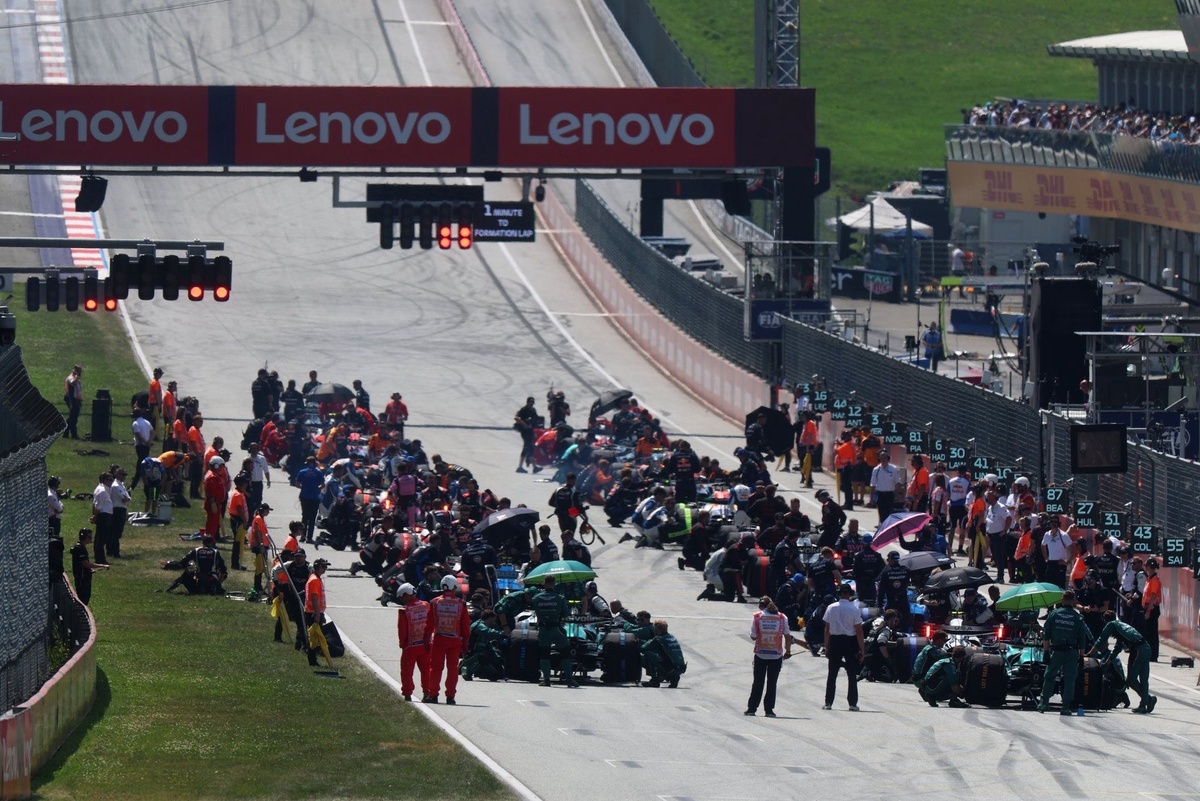
The focus of the changes centres on four key areas: improving the spectacle in qualifying, reducing extreme closing speeds that could increase the risk of dangerous incidents during races, minimising the likelihood of first-corner collisions at race starts, and preparing for potential complications in wet-weather conditions.
Minor Adjustments, Major Complexity
Despite the long list of updates, officials have stressed that these are not fundamental overhauls but rather targeted adjustments to fine-tune the existing framework.
At the heart of the debate remains F1’s increasingly intricate hybrid system, where energy recovery and deployment play a decisive role in performance. The latest generation of cars relies heavily on a combination of internal combustion and electrical energy management, governed by tightly controlled technical limits.
Understanding the Hybrid Energy System
The MGU-K (Motor Generator Unit – Kinetic) remains central to this system, responsible for both harvesting energy under braking and deploying it to the rear wheels for added power. This process is measured in kilowatts (kW), with a maximum output and recovery cap of 350kW, while overall stored energy is governed in megajoules (MJ), with each car limited to 4MJ of usable battery capacity.
However, techniques such as superclipping—where energy is recovered while the driver remains at full throttle—have drawn criticism for creating unnatural driving behaviour, particularly during qualifying laps. Similarly, lift and coasting, where drivers intentionally reduce throttle input early to maximise energy recovery, has further complicated the racing spectacle.
Qualifying Tweaks and Energy Limits
Under the revised qualifying rules, one of the key changes is a reduction in maximum permitted energy recharge from 8MJ to 7MJ per lap. According to the FIA, this adjustment is intended to limit excessive energy harvesting and reduce the reliance on artificial techniques like prolonged superclipping. The expected result is a shorter window of energy recovery per lap, which should encourage more consistent flat-out driving.
In practical terms, drivers will no longer attempt to fully recharge the battery multiple times per qualifying lap. Instead, energy strategies will shift slightly, with marginal reductions in both harvesting and deployment. While this may improve on-track authenticity by reducing abrupt speed fluctuations through corners and straights, it could also lead to marginally slower lap times overall.
The Bigger Question for F1’s Future
Ultimately, while the FIA’s latest refinements aim to strike a balance between technology and spectacle, the broader question remains unresolved: has Formula 1’s pursuit of hybrid innovation made the sport more advanced—or simply more difficult to follow?