

F1’s Unforeseen Calendar Shift Rocks the Season
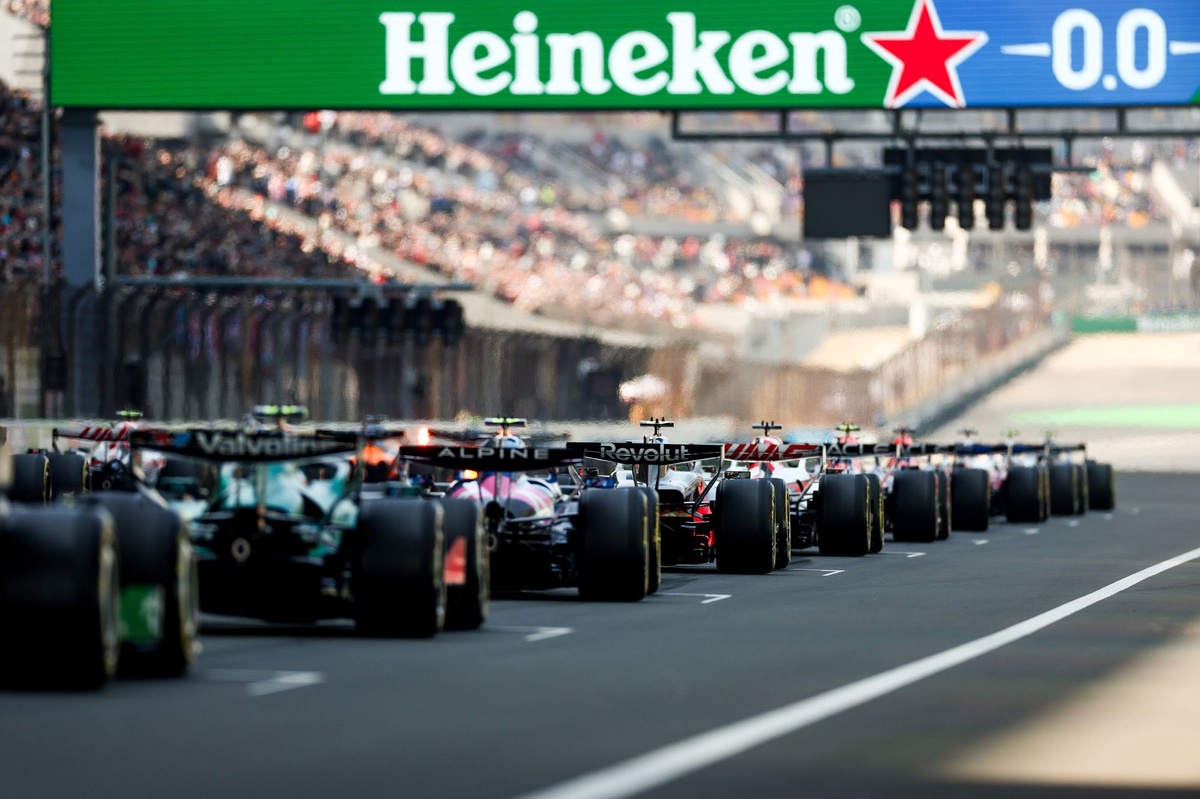
The ongoing geopolitical situation in the Middle East forced F1 to cancel the Bahrain and Saudi Arabia races, leaving a five-week gap before the Miami Grand Prix in early May. While not a traditional summer shutdown, the break provides teams with valuable time at the factory to analyze early-season data and accelerate development for upcoming rounds. For some teams, this pause offers a chance to correct flaws; for others, it disrupts hard-earned momentum.
4 Key Highlights
- The Bahrain and Saudi Arabia rounds were canceled due to Middle East tensions, leaving a five-week gap before Miami.
- Mercedes loses the chance to extend its early-season advantage but expects a development race to restart in Miami.
- McLaren benefits from the pause, using the break to focus on upgrades and address early reliability issues.
- Teams must optimize factory work and development strategies during the enforced downtime to maintain competitiveness.
Mercedes Loses a Track Advantage
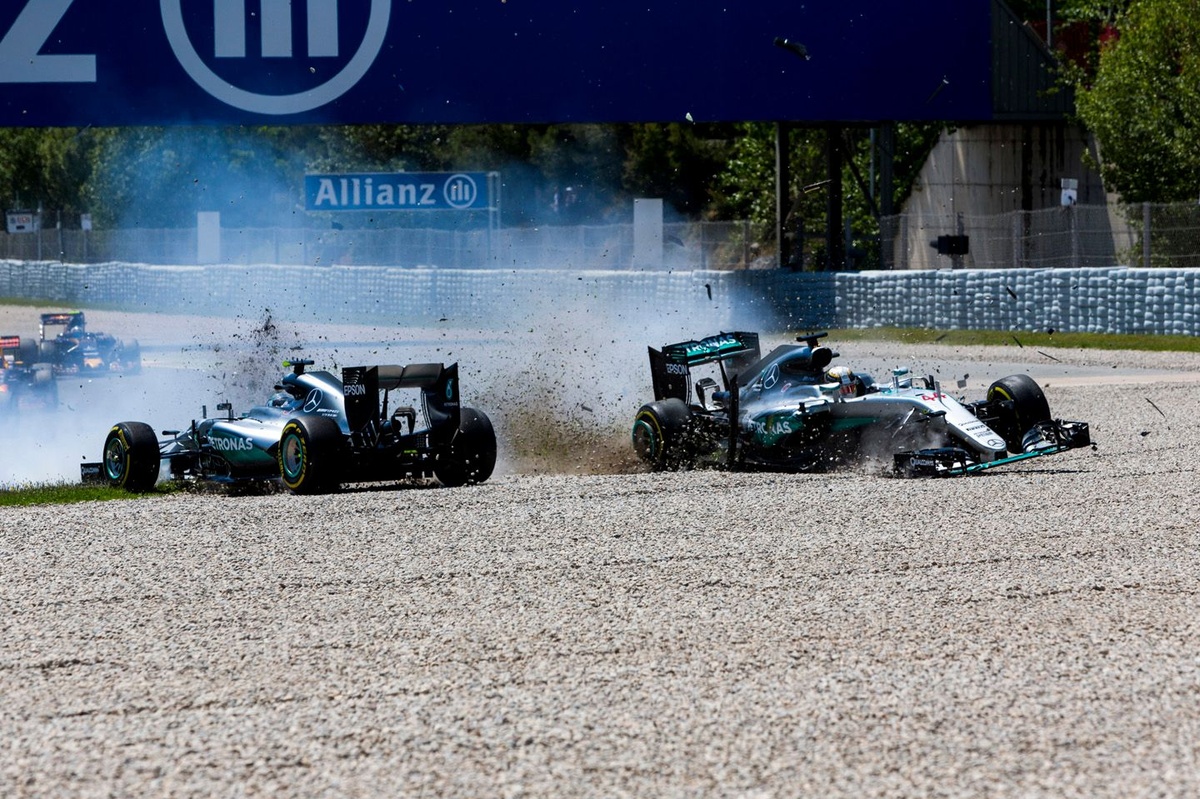
Mercedes, dominant in the opening rounds, misses an opportunity to extend its lead in the Middle East. Team principal Toto Wolff admitted that the canceled races would have been ideal to bank more points before rivals bring significant upgrades. Nevertheless, Mercedes anticipates a “restart” in Miami, expecting a heated development battle as competitors narrow the gap. The enforced break also slightly delays tougher compression ratio tests, but Wolff insists this won’t majorly impact the works or customer teams.
McLaren Seizes the Strategic Opportunity
Chasing Mercedes, McLaren emerges as a primary beneficiary of the downtime. Originally planning to introduce a major upgrade package in Miami, the team avoids losing points in Bahrain and Saudi Arabia. After a reliability-stricken start to the season, highlighted by battery issues affecting both Lando Norris and Oscar Piastri in China, McLaren displayed encouraging form in Japan. The enforced break allows the team to refine power units, energy deployment strategies, and chassis setups, boosting competitiveness ahead of the American leg.
A Crucial Pause for the Entire Grid
Across the board, the April hiatus shifts priorities from track performance to factory development. Teams are intensively processing data from early races, simulating upgrades, and preparing for Miami. While some squads may feel frustrated by the lost track time, others will leverage the pause to address weaknesses, refine strategies, and maximize the impact of forthcoming upgrades. As F1 resumes in Miami, the enforced break could prove decisive in shaping the mid-season championship battle.