

Ollie Bearman's terrifying crash at Suzuka wasn't just an accident; it was an urgent, flashing red light on Formula 1's dangerous closing speed problem, a scenario many in the paddock — most notably McLaren boss Andrea Stella — had chillingly predicted.
Key Points:
- Ollie Bearman's Suzuka crash with Franco Colapinto exposed a critical 28mph speed difference issue.
- McLaren's Andrea Stella had warned about these dangerous closing speeds as early as Bahrain testing.
- The problem stems from varying energy deployment strategies, making some cars significantly faster in certain track sectors.
- Finding a "silver bullet" solution is complex, requiring a multi-faceted approach to F1's 2026 regulations.
The Inevitable Collision: Bearman's Wake-Up Call at Suzuka
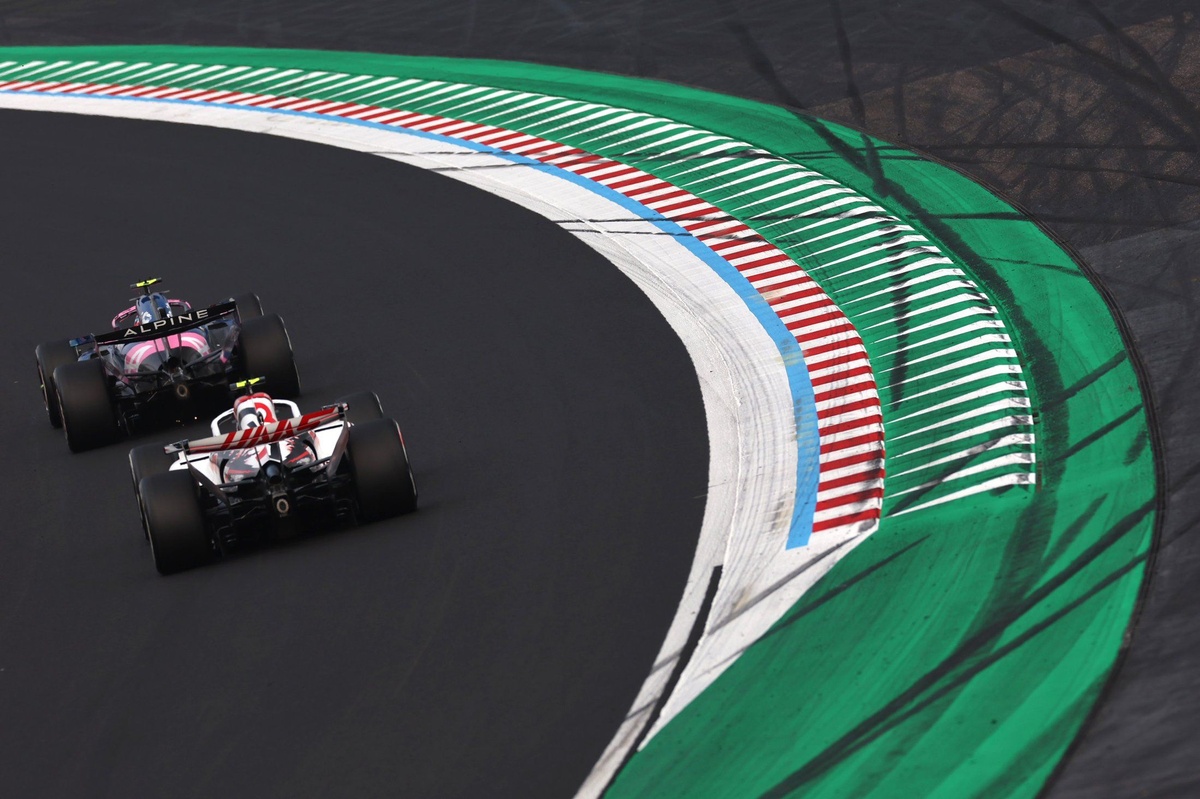
The racing world collectively held its breath as Ollie Bearman suffered a heavy shunt into Suzuka's Spoon Curve. The incident involved Bearman's rapidly approaching car and Franco Colapinto's machine, creating a staggering 28mph speed difference that left both drivers with nowhere to go. While Bearman was fortunately uninjured beyond a bruised knee, the crash served as a stark, undeniable demonstration of a problem that has been brewing.
This wasn't an isolated concern. Drivers like Carlos Sainz had already labelled the situation "sketchy" following a near-miss at Melbourne, where varying speeds off the line caused alarm. The paddock whispered warnings, but it took a concrete, high-impact incident to truly force the issue to the forefront of the FIA's agenda.
McLaren's Oracle: Andrea Stella's Unheeded Prophecy
Months before Bearman's crash, McLaren Team Principal Andrea Stella sounded the alarm bells during Bahrain testing. He foresaw the exact type of incident that unfolded at Suzuka, citing historical examples like Mark Webber's terrifying airborne collision with Heikki Kovalainen in Valencia 2010. Stella's prescient warnings about cars lifting to harvest energy while others were pushing hard were largely dismissed or placed lower on the priority list by the governing body.
Stella's frustration is palpable. He highlighted how discussions in technical advisory committee meetings had failed to translate into proactive measures. The FIA had been focused on "fixing" qualifying procedures, seemingly content with the existing race regulations regarding speed differentials. Bearman's crash, in its regrettable severity, delivered the undeniable evidence that action was long overdue.
Decoding F1's Energy Deployment Dilemma
At the heart of this dangerous discrepancy lies Formula 1's complex energy deployment system. Teams strategically dump their battery energy in different zones around a lap. At a circuit like Suzuka, with its three key deployment areas (like the run to Spoon, 130R, and Turn 1), this means cars can be operating at wildly different performance peaks.
Bearman, for example, was utilizing his boost for an instant 350kW hit on the approach to Spoon Curve, while Colapinto was not. This creates a critical "accordion effect" on track, where closing speeds become impossible to manage safely, especially when drivers are committed to their racing lines.
Seeking Solutions: The Elusive Fix for F1's Speed Crisis
The path to resolving F1's closing speed problem is anything but straightforward. Andrea Stella himself admits there's no single "silver bullet" solution; rather, it will likely require a combination of regulatory adjustments and increased flexibility. The FIA and teams must now collaborate intensely to find answers.
The Super Clip Power Play
One proposed idea is to raise the "super clip" limit from 250kW to 350kW. The theory is that this would reduce the amount of "lift-and-coast" necessary to restore energy, thereby condensing the time cars spend running at lower speeds. However, this wouldn't entirely prevent situations like the Bearman/Colapinto incident, as Colapinto was already at full throttle. The issue runs deeper than just lift-and-coast.
Rebalancing Power and Control
Other avenues include giving teams more freedom to dictate how and where they deploy energy throughout a lap, allowing for a more even spread of performance. Another radical suggestion is to reduce the overall electrical power output to 250kW. While this would lower overall speeds, it could also significantly decrease battery energy consumption, potentially enabling more consistent deployment across a circuit and smoothing out those alarming speed deltas.
The unplanned mid-season break offers Formula 1 a crucial window. The FIA has a responsibility to analyze the data from the opening rounds and implement proactive changes to the 2026 regulations. The biggest challenge, beyond technical complexity, will be to ensure these vital safety discussions don't become bogged down in political maneuvering between teams. The safety of the drivers, as Bearman's crash so vividly reminded us, must be the absolute priority.