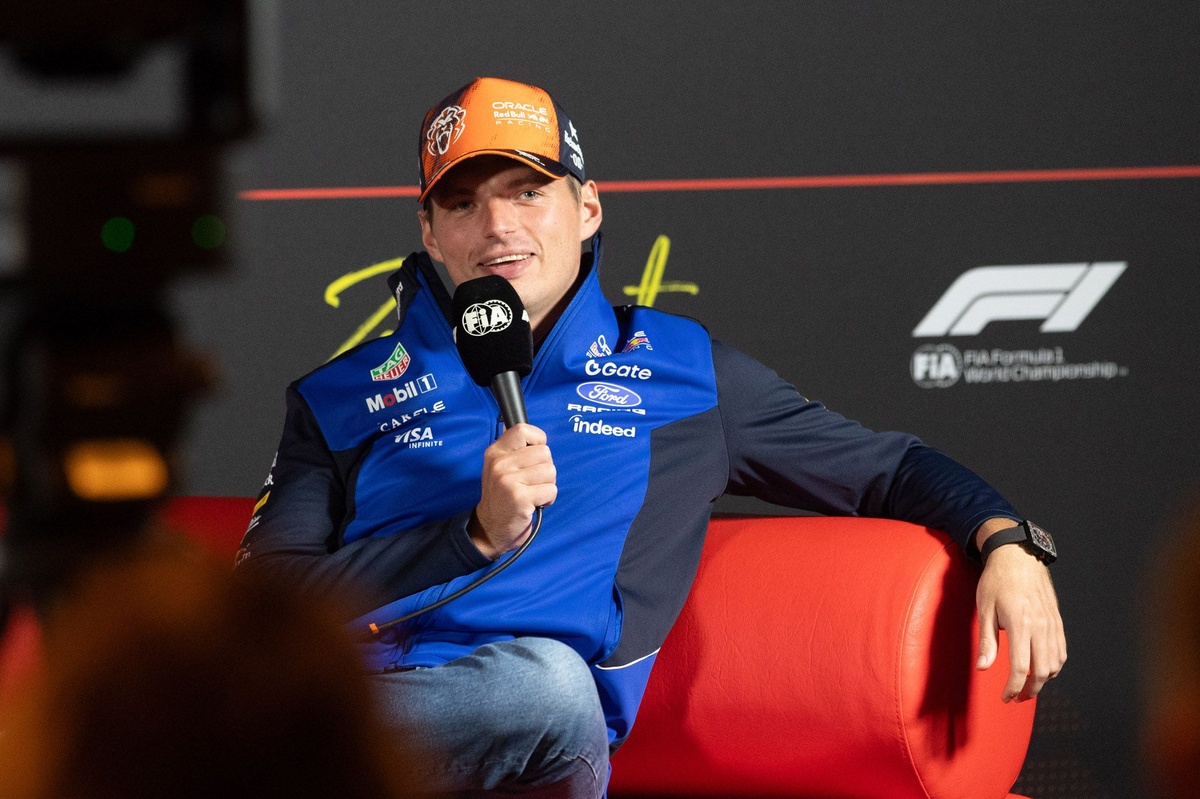



Is modern Formula 1 becoming too easy, blurring the lines between elite talent? Max Verstappen ignited a fiery debate, claiming today's cars are more forgiving, leading to minuscule performance gaps between teammates. This perspective, coming from a multi-world champion, challenges the perception of F1's ultimate driving test, even as McLaren boss Andrea Stella offers a starkly contrasting view.
Key Points: The Great F1 Driving Debate
- Max Verstappen suggests current F1 cars are "easier" to drive at the limit, particularly in qualifying sessions.
- He points to consistent, tight teammate performance margins, often within 0.1-0.3 seconds, as key evidence.
- McLaren team principal Andrea Stella vehemently disagrees, emphasizing the immense complexity introduced by power unit management and chassis dynamics.
- This clash of opinions raises crucial questions about driver skill impact and the direction of future Formula 1 car development, including the much-anticipated 2026 regulations.
Verstappen's Bold Claim: The 'Easier' F1 Era?
According to Red Bull superstar Max Verstappen, finding the absolute limit in current Formula 1 machinery has become less demanding. He suggests that the way these cars handle, coupled with elements like battery management, simplifies the process of extracting peak performance during crucial qualifying laps.
"It's a lot easier nowadays with these cars to find the limit," Verstappen stated. He elaborated that managing power delivery, especially when down on battery, makes "everything a bit easier to line up." This ease, he believes, is reflected in the incredibly close margins seen across the grid. He noted that even drivers stepping into new roles often perform within a few tenths of their experienced teammates, a paddock-wide trend he’s observed all season.
McLaren's Counter: Stella Argues True Complexity
While Verstappen sees an inherent simplification, McLaren Team Principal Andrea Stella paints a dramatically different picture. He asserts that the current generation of F1 cars demands exceptional skill and constant adaptation from drivers, classifying them as inherently "difficult" machines.
Stella points directly to the evolving technical landscape, particularly the complexity surrounding the upcoming 2026 power unit regulations – aspects of which are already influencing design and driving. These new parameters, he argues, layer additional challenges onto traditional driving demands within the cockpit.
The Nuances of Modern F1 Control
Stella elaborated on the specific difficulties drivers face. He highlighted inconsistencies in power deployment, which can severely impact braking references or cause unexpected loss of acceleration later in a corner. Beyond the power unit, he stressed that chassis-related challenges remain significant.
"Even if all teams have added downforce, it's very difficult for the drivers to predict what the problem is going to be in braking or whether or not the car will snap in traction," Stella explained. He contrasted this with previous generations, which offered much greater aerodynamic load and tyre grip, making them more predictable and, in his view, easier to manage at the very edge. For Stella, the current unpredictability elevates the challenge, making the smallest mistakes costly.
Why This Debate Matters for F1's Future
This fascinating disagreement between two of Formula 1's most astute minds isn't just a casual chat; it’s a vital discussion about the sport's identity. If cars are indeed becoming "easier," does it dilute the spectacle of driver skill? Conversely, if the hidden complexities are truly immense, are fans missing the full picture of the monumental task drivers undertake? As F1 looks towards 2026 and beyond, this debate will undoubtedly shape design philosophies and the very nature of what it means to be an F1 driver.